
Stablecoins
An analysis of the Tether business model: how USDT potentially generates revenue from reserve income, fees, and market dynamics within crypto finance.

An analysis of the Tether business model: how USDT potentially generates revenue from reserve income, fees, and market dynamics within crypto finance.

USDT reserves expanded after reports indicated Tether bought 14 tons of gold in Q2 2026, adding bullion backing alongside cash equivalents and diversifying collateral.

USDT profit report on Tether’s $1.5B Q2 2026 profit, rising Bitcoin and gold reserves, and what the disclosures mean for stablecoin liquidity.
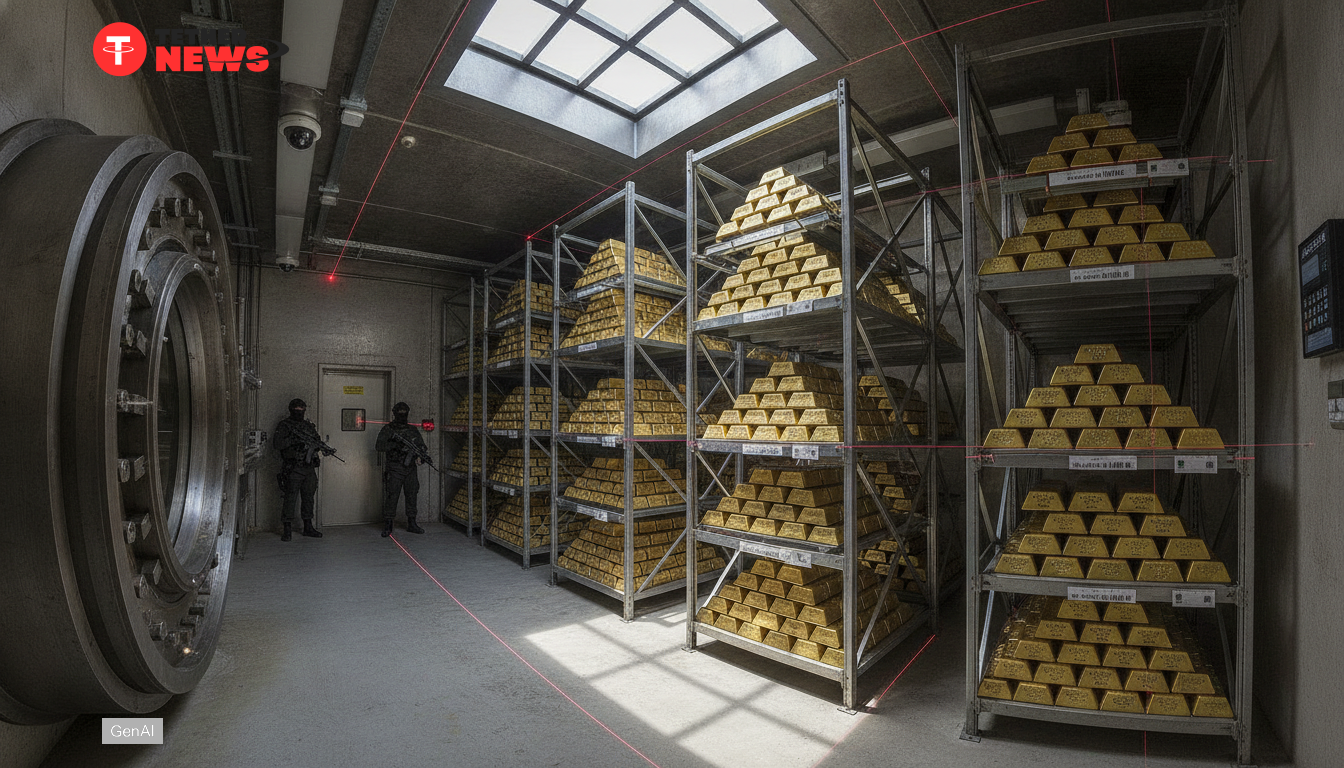
Tether’s reported gold reserves increased after a 14-ton Q2 addition. This change may influence how USDT’s reserve mix is discussed amid calls for clearer disclosure.
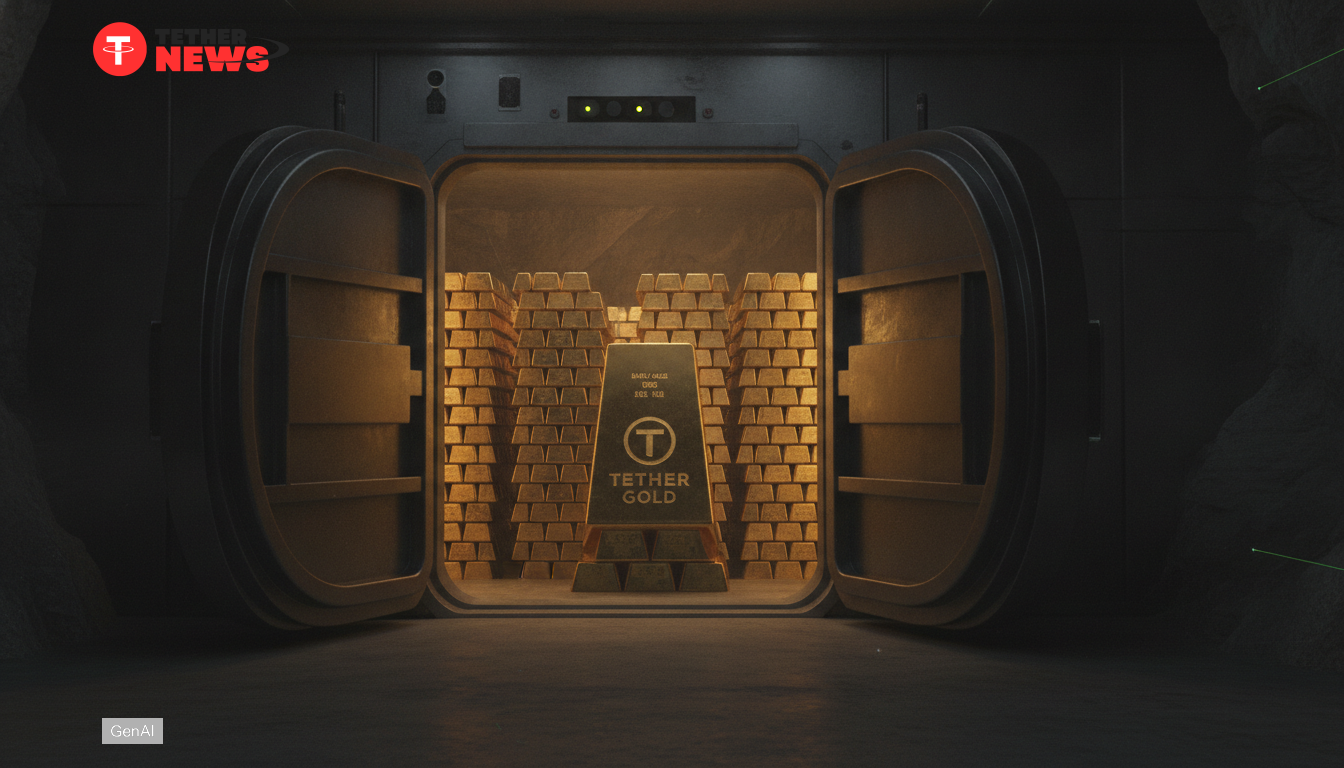
Tether gold holdings reportedly exceed 146 tons, reflecting USDT reserve diversification and focusing on stablecoin disclosure and oversight.

A stablecoin supply decline of about $15B since Terra may be tightening crypto liquidity, widening spreads, lifting leverage costs, and increasing issuer scrutiny in 2026.

Tether Q2 2026 Profits reached $1.5B in Q2 2026 as USDT supply expanded and gold reserves increased, renewing scrutiny of reserve quality and income sources.

Tether USDT gold reserves rose after a 14-ton Q2 purchase, alongside reported $1.5B profit and Treasury-driven income, adding hard-asset backing confidence.

Tether stablecoin reserves are adding gold to cash and Treasuries, shifting how USDT manages liquidity, transparency, and regulatory compliance risks.

Tether Q2 profit reported $1.5B in operating gains in a Q2 2026 attestation, while stated gold reserves topped 146 tons, influencing USDT reserve discussions.