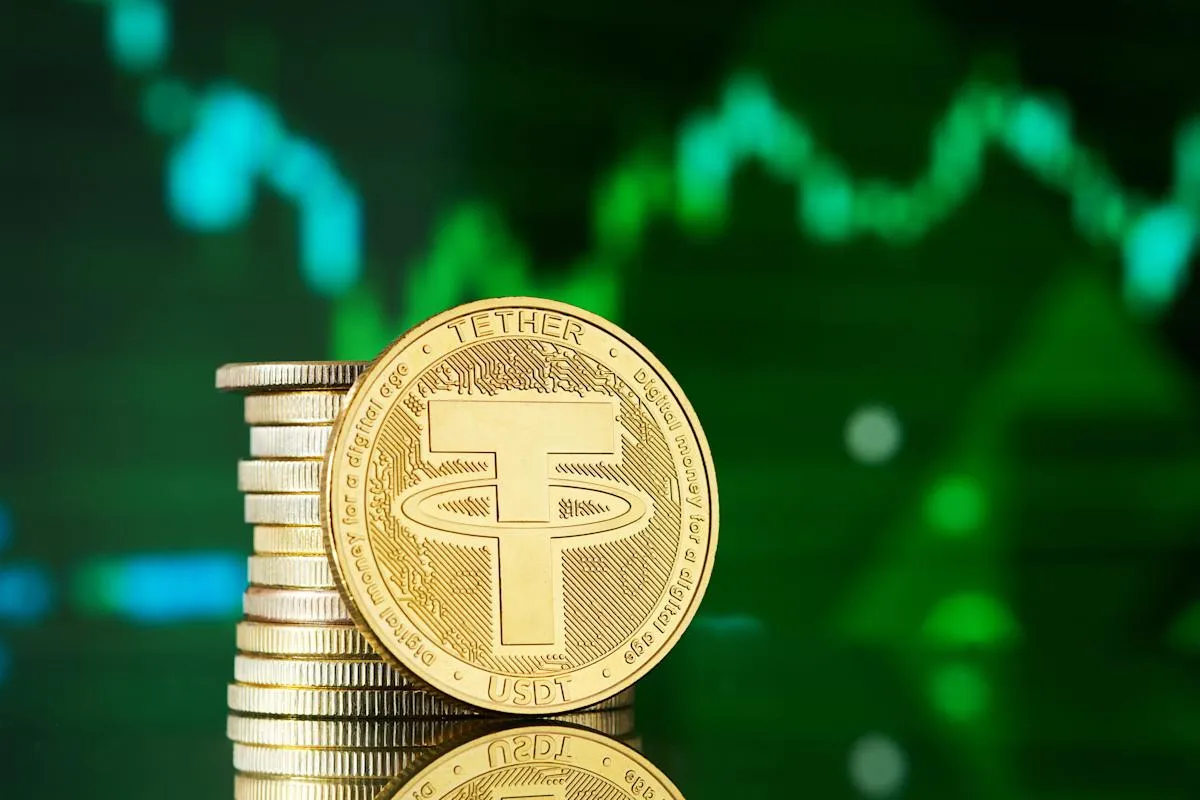
With record-breaking supply, analysts question if USDT is now a systemic financial risk.
Tether Crosses the $120B Mark
Tether (USDT), the world’s largest stablecoin, has reached an unprecedented milestone: over $120 billion in circulation. Once dismissed as a niche tool for crypto traders, USDT is now bigger than many regional banks and rivals some central bank digital currencies in scale. This growth has intensified questions about whether regulators can afford to leave Tether’s offshore operations largely unchecked.
A Growing Shadow Dollar System
For years, USDT has functioned as a “crypto dollar,” providing instant liquidity for traders across exchanges. According to recent data, more than 60% of Bitcoin and Ethereum trades are denominated in Tether. In emerging markets facing inflationary pressures, citizens often turn to USDT as a dollar substitute when banking systems falter.
Economists warn that this has created a shadow dollar system beyond the Federal Reserve’s visibility. “When $120B worth of a dollar-denominated asset circulates outside of traditional oversight, it becomes a matter of systemic concern,” said a former IMF advisor.
Regulatory Alarm Bells
U.S. agencies including the SEC, CFTC, and Treasury have expressed concerns about Tether’s lack of transparency. Unlike regulated stablecoins such as USDC, which are backed by U.S. institutions and audited, Tether’s reserves remain a subject of ongoing debate. While the company issues quarterly attestations, critics argue these fall short of full independent audits.
European regulators are also stepping in. Under the EU’s MiCA framework, stablecoin issuers must meet strict reserve and disclosure requirements. Whether Tether can comply without relocating major parts of its business is unclear.
Systemic Risk or Market Stabilizer?
Supporters argue that Tether has proven remarkably resilient. Despite years of lawsuits, enforcement actions, and market volatility, USDT has maintained its dollar peg with only minor deviations. For many crypto exchanges and DeFi protocols, Tether is the lifeblood of liquidity.
But skeptics counter that size alone does not equal safety. If confidence in USDT were to falter for example, through sudden redemptions or legal enforcement the impact could cascade across global crypto markets, triggering a liquidity crunch.
The Geopolitical Angle
Tether’s growth also has geopolitical implications. Offshore issuance in places like the Bahamas and its significant role in Asia’s crypto hubs highlight how dollar-backed stablecoins project U.S. currency power beyond borders. Ironically, while regulators in Washington remain cautious, USDT has expanded the dollar’s reach in regions where access to traditional dollars is limited.
This dual role, both as an enabler of U.S. dollar demand and as a regulatory blind spot, leaves policymakers divided. Some see Tether as strengthening the dollar’s global role, while others warn it could destabilize financial systems if left unsupervised.
Looking Ahead
As Tether passes the $120B milestone, the debate is shifting from whether to regulate to how to regulate. Proposals range from treating USDT like a money market fund, to banning unregulated stablecoin issuance outright.
What remains clear is that Tether has outgrown its early reputation as a temporary liquidity tool. With its scale now rivaling systemic financial institutions, regulators face mounting pressure to address USDT not as a crypto novelty, but as a critical piece of global finance.