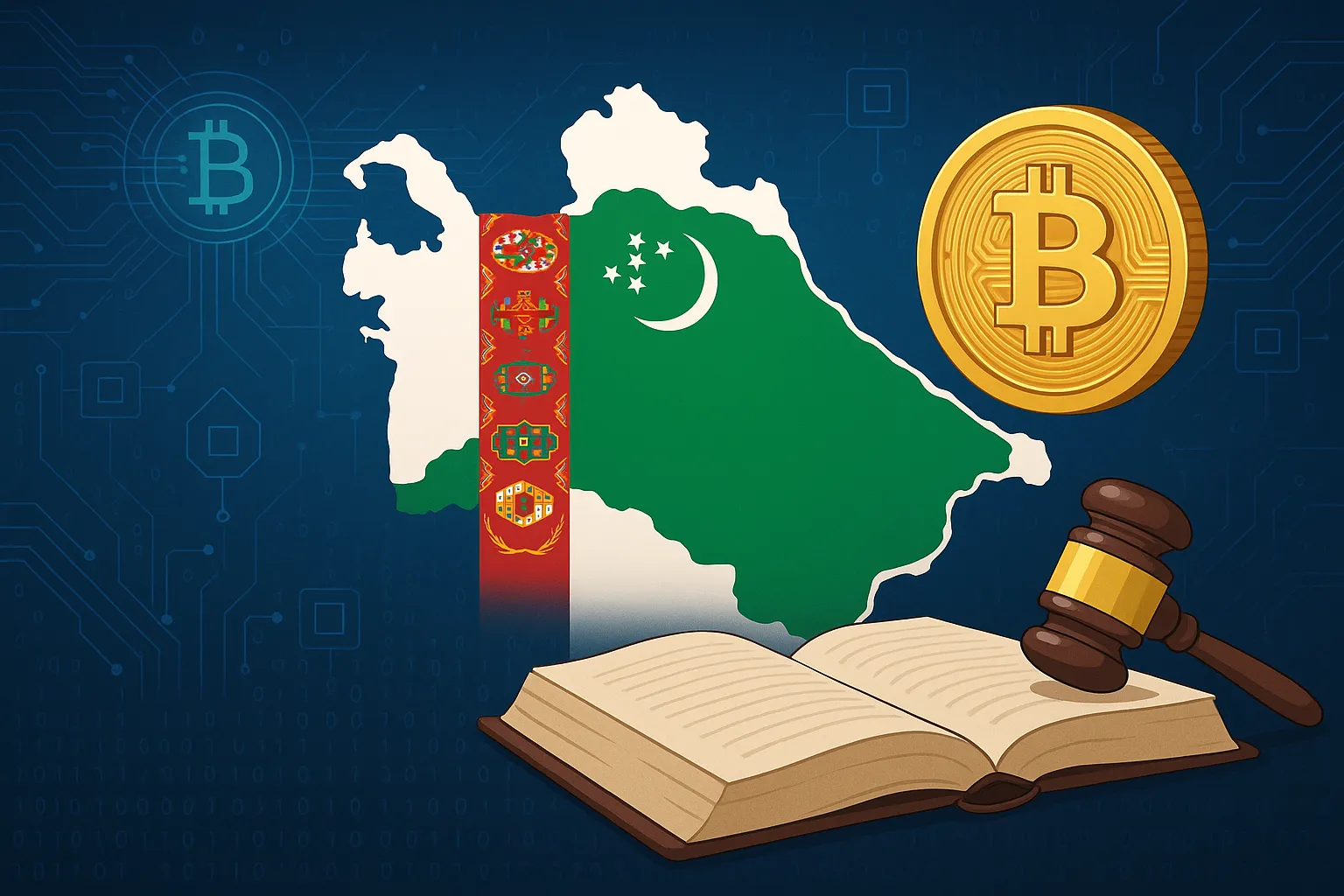
The global regulatory landscape for cryptocurrencies is shifting faster than ever as governments attempt to balance innovation with financial stability. The 2026 Crypto Regulation Heatmap reveals clear patterns showing where digital asset rules are tightening and where regions are moving toward more open frameworks. These changes affect traders, businesses, and everyday crypto users as countries redefine how digital assets should operate within their financial systems.
For the crypto industry, regulatory clarity can open doors to institutional adoption, while restrictive policies can limit market growth. As digital currencies become more interconnected across borders, regional decisions are now influencing global liquidity and user behavior. Understanding where regulations are headed is essential for preparing investment strategies and identifying markets with long term potential.
Areas where crypto regulations are tightening in 2026
The most important trend shown in the heatmap is the growing number of countries implementing stricter compliance rules. Many governments are focusing on anti money laundering requirements, stablecoin oversight, and centralized exchange licensing. Regions with high capital movement concerns or volatile economic conditions are prioritizing tighter controls. Some countries are restricting privacy coins, and others are demanding enhanced reporting from crypto businesses. These measures aim to reduce risks but may also slow innovation for local developers and startups. The shift toward heavier regulation reflects global efforts to improve safety and prevent misuse of digital assets.
Countries adopting more supportive and flexible regulatory frameworks
While some nations are tightening rules, others are easing regulations to attract crypto investment and stimulate innovation. Several Asian and Middle Eastern countries are establishing crypto friendly zones where businesses can operate with clear guidelines. These regions see digital assets as an opportunity to diversify their economies and position themselves as global blockchain hubs. Simplified licensing processes and transparent tax policies are encouraging international companies to expand into these jurisdictions. As a result, these supportive markets are seeing rising trading volumes, stronger developer communities, and increased interest from fintech investors.
How regulatory changes influence global crypto adoption patterns
The contrasting regulatory approaches around the world are shaping how the industry expands. Regions with stricter laws may see slower growth as platforms adapt to new requirements or relocate operations. On the other hand, areas with open frameworks are becoming hotspots for new projects, leading to increased user adoption and faster integration of digital finance tools. Investors often shift their activities to markets with predictable and supportive policies, creating regional differences in liquidity and trading behavior. These patterns highlight how crucial a country’s regulatory attitude is to its position in the global crypto ecosystem.
Potential long term effects of tightening vs easing regulations
If these patterns continue into the next decade, the global crypto landscape may split into distinct regulatory zones. Markets with strict oversight might become safer but less flexible, focusing on institutional access rather than experimental innovation. Meanwhile, relaxed jurisdictions could drive creative development but may face higher risks. Over time, international coordination may improve, allowing smoother cross border operations. For now, the heatmap shows a world where regulatory diversity strongly shapes the direction of crypto growth and user participation.
Conclusion
The 2026 Global Crypto Regulation Heatmap reveals a clear divide between regions tightening oversight and those embracing more flexible rules. These contrasting approaches are influencing where innovation thrives, how users interact with digital assets, and where businesses choose to build. Understanding these shifts allows investors and companies to navigate global markets with better clarity and confidence.