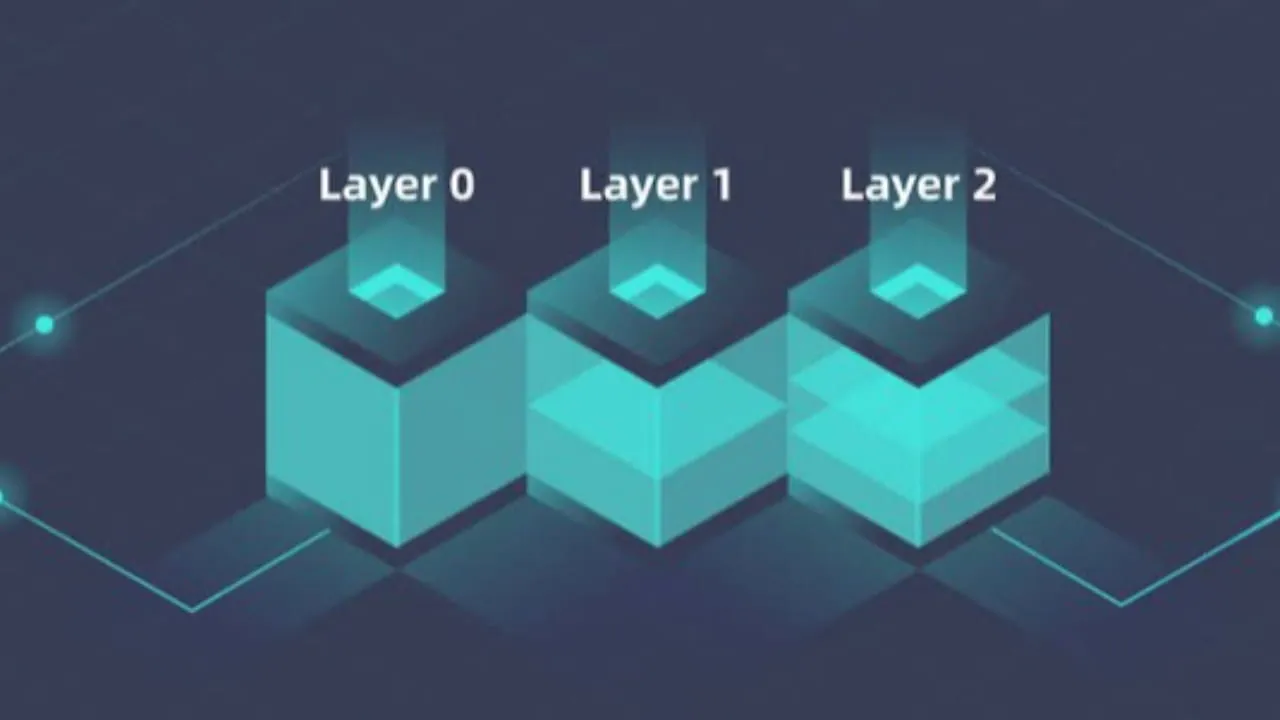
How USDT fuels scaling solutions on Ethereum and beyond.
The Layer 2 Revolution
Ethereum has grown into the leading smart contract platform, but high transaction costs and network congestion remain persistent problems. To address these challenges, developers have built Layer 2 scaling solutions such as Arbitrum, Optimism, and zkSync. These networks process transactions off-chain before settling them on Ethereum, reducing costs and increasing speed. At the heart of these ecosystems lies Tether (USDT), the stablecoin that provides liquidity for users, traders, and protocols.
Why Tether Matters for Layer 2s
Stablecoins are the backbone of decentralized finance. They provide a stable unit of account that enables lending, borrowing, and trading. On Layer 2 networks, USDT serves as the primary currency for liquidity pools, decentralized exchanges, and collateralized lending protocols.
Because Tether dominates global stablecoin liquidity, its integration into Layer 2 networks accelerates adoption. Without deep liquidity, Layer 2 solutions would struggle to attract users at scale.
USDT on Arbitrum and Optimism
On Arbitrum, one of the largest Layer 2 networks, USDT is widely used across decentralized exchanges and lending platforms. Its presence supports billions in daily transactions. Optimism has seen similar patterns, with Tether driving liquidity in trading pairs and yield strategies.
These integrations reduce transaction costs for traders. Instead of paying high Ethereum gas fees, they can swap, lend, and borrow using Tether at a fraction of the cost.
Supporters’ Perspective
Supporters argue that USDT is essential to making Layer 2 networks viable. They emphasize that low-cost transactions only matter if users can access deep liquidity. Tether provides that liquidity, ensuring that Layer 2 protocols function effectively.
They also highlight that USDT’s availability attracts more developers to build on these networks, creating a positive feedback loop of growth and innovation.
Skeptics’ Concerns
Skeptics caution that Layer 2 networks may be too dependent on a single stablecoin. If confidence in Tether were shaken, liquidity on Arbitrum, Optimism, and other networks could collapse, stalling adoption.
They also argue that reliance on USDT undermines the decentralization goals of Ethereum’s scaling solutions. By building liquidity around a private offshore issuer, Layer 2s may be recreating the same systemic vulnerabilities that traditional finance has faced with over-concentration.
Impact on DeFi Protocols
DeFi protocols on Layer 2 networks rely on Tether for collateral and settlement. Lending platforms accept USDT as primary collateral because of its liquidity and stability. Decentralized exchanges use it as the most common trading pair. Yield aggregators design strategies around USDT pools, drawing in users with predictable returns.
This reliance creates both strength and fragility. It makes protocols functional and attractive, but it also concentrates risk in a single stablecoin.
Regulatory Implications
As regulators focus more on stablecoins, their role in Layer 2 networks is gaining attention. Policymakers argue that if USDT underpins critical infrastructure for Ethereum scaling, oversight is essential. Proposals include requiring issuers to meet stricter reserve disclosure standards and mandating compliance frameworks across jurisdictions.
Global regulators may see Layer 2 adoption as evidence that stablecoins are no longer niche instruments but critical parts of financial infrastructure.
The Future of Scaling with Stablecoins
Looking ahead, Layer 2 networks will continue to expand as Ethereum adoption grows. Tether will likely remain central to this growth because no other stablecoin matches its liquidity. However, competition from USDC, DAI, and newer stablecoins could gradually diversify liquidity sources.
Some developers envision multi-stablecoin strategies to reduce reliance on a single issuer. Others suggest integrating central bank digital currencies once they become available. For now, USDT remains the engine driving Layer 2 liquidity.
Conclusion
Layer 2 networks represent the future of Ethereum scaling, and Tether is at the core of their growth. Supporters see its role as proof of stablecoins’ utility in making decentralized finance efficient and accessible. Skeptics warn that concentration around USDT creates systemic vulnerabilities.
The outcome will depend on how Layer 2 ecosystems balance liquidity with decentralization and whether regulators demand greater transparency from stablecoin issuers. Until then, Tether’s dominance ensures it will remain the lifeblood of scaling solutions across Ethereum and beyond.