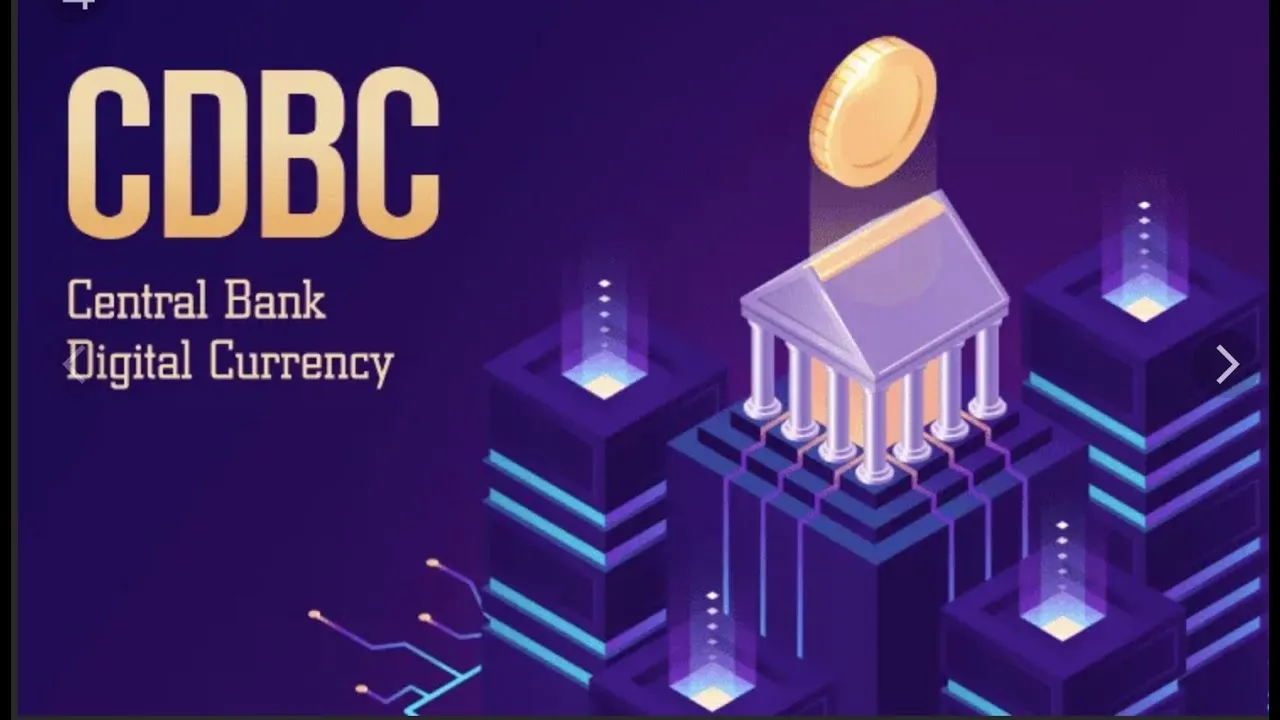
Policymakers frame CBDCs as safer alternatives to private stablecoins like USDT.
The Rise of CBDCs
Central Bank Digital Currencies, or CBDCs, are digital versions of national currencies issued by central banks. More than one hundred countries are exploring or piloting them, from China’s digital yuan to the European Union’s digital euro. Policymakers see CBDCs as a way to modernize payments while maintaining monetary sovereignty. For stablecoins such as Tether (USDT), the growth of CBDCs presents both competition and opportunity.
How CBDCs Differ from Stablecoins
CBDCs are backed directly by central banks, which means they carry the full faith and credit of governments. By contrast, stablecoins like USDT are issued by private companies and backed by reserves that may not always be fully transparent.
Supporters of CBDCs argue that this government backing makes them safer and more reliable. Skeptics counter that CBDCs may sacrifice privacy and innovation, driving some users to continue relying on private stablecoins.
Tether’s Current Dominance
With circulation above one hundred twenty billion dollars, Tether is the most widely used stablecoin in the world. It dominates trading pairs on exchanges, powers liquidity in decentralized finance, and serves as a parallel currency in emerging markets. This dominance creates strong network effects that are difficult for new entrants, even government-backed ones, to overcome quickly.
For many users, especially in emerging economies, USDT offers accessibility that CBDCs may not provide in the near future.
Supporters’ Perspective on CBDCs
Supporters of CBDCs argue that they can reduce systemic risks by offering transparent, state-backed digital money. They believe CBDCs will eventually outcompete stablecoins by providing the same efficiency with greater trust.
From this perspective, Tether’s dominance is temporary. Once CBDCs are widely adopted, private stablecoins will lose relevance.
Skeptics’ Concerns About CBDCs
Skeptics of CBDCs caution that adoption may be slower than expected. Building infrastructure, ensuring interoperability, and protecting user privacy are major challenges. They also note that governments may impose restrictions on usage, limiting CBDCs to certain types of transactions.
From this view, Tether will continue to thrive even in a world of CBDCs because it offers flexibility and global reach that government systems may lack.
The Privacy Debate
Privacy is a key dividing line between CBDCs and stablecoins. Central banks may design CBDCs with monitoring capabilities to track transactions, raising concerns about surveillance. By contrast, stablecoins like USDT operate on public blockchains where transactions are transparent but not tied to government control.
For users who prioritize financial autonomy, Tether may remain more attractive than CBDCs despite the lack of full transparency in reserves.
Impact on Emerging Markets
Emerging markets illustrate the competition most clearly. Citizens facing inflation and unstable currencies have turned to Tether for protection. CBDCs could provide a state-backed alternative, but adoption will depend on accessibility and trust. If governments impose strict controls or surveillance, citizens may continue to prefer private stablecoins.
This dynamic suggests that in fragile economies, Tether may retain an edge over CBDCs in the near term.
Regulatory Perspectives
Regulators see CBDCs as tools to bring digital finance under state control. By offering alternatives to private stablecoins, they aim to reduce risks tied to offshore issuers like Tether. Some policymakers envision a future where CBDCs and regulated stablecoins coexist, while unregulated ones face increasing restrictions.
For Tether, this means growing pressure to adapt or risk being sidelined in regulated markets.
Looking Ahead
The question is not whether CBDCs threaten Tether but how much and how quickly. In the short term, Tether’s liquidity, accessibility, and global adoption give it a strong advantage. In the long term, CBDCs may reshape digital finance by embedding state-backed currencies into everyday transactions.
The outcome will depend on how CBDCs are designed and whether they meet the needs of users. If they fail to match the convenience and global reach of USDT, Tether may continue to dominate even alongside government-backed competitors.
Conclusion
CBDCs represent a powerful challenge to private stablecoins, but they are not guaranteed to replace them. Supporters see CBDCs as safer and more transparent, while skeptics warn of adoption hurdles and privacy risks. Tether’s dominance reflects liquidity and accessibility that governments may struggle to replicate quickly.
For now, CBDCs and USDT are likely to coexist, serving different user needs. The battle between state-backed trust and private liquidity will shape the future of digital money for years to come.