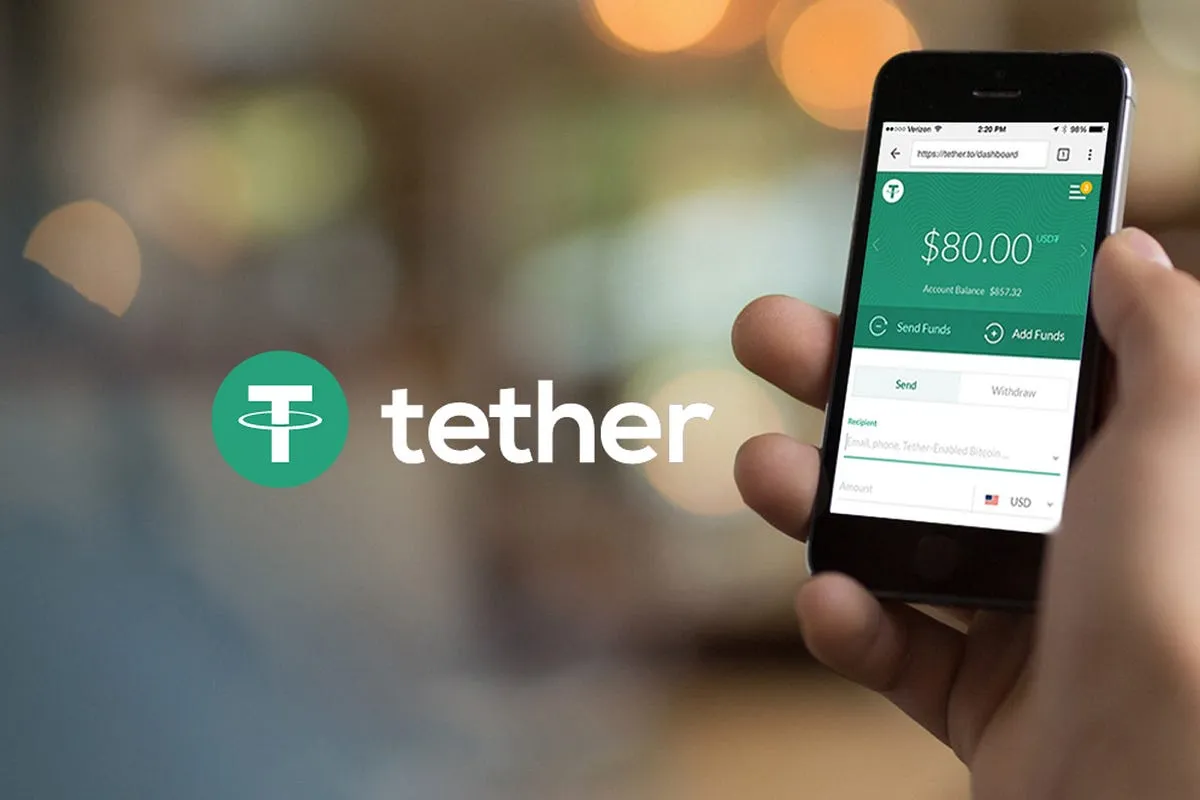
How USDT is being integrated into formal and informal digital payment systems worldwide.
The Evolution of Global Payments
Global payment networks form the backbone of trade, remittances, and everyday transactions. Systems like SWIFT, Visa, and Mastercard dominate international finance by connecting banks and businesses across borders. Yet these networks often exclude people in emerging markets or charge high fees. In recent years, Tether (USDT) has emerged as an alternative digital payment layer, offering speed, stability, and accessibility. Its growing role raises questions about how stablecoins may reshape global payments.
Why Tether Fits into Payment Systems
Tether’s appeal lies in its simplicity. Pegged to the U.S. dollar, USDT is instantly recognizable as a unit of value. Its presence across multiple blockchains makes it flexible for integration with wallets, exchanges, and even point-of-sale systems. For users, this means payments that settle in minutes rather than days, often at a fraction of the cost of traditional networks.
For businesses, Tether enables global trade without relying on costly correspondent banks. For individuals, it supports cross-border remittances and digital commerce. This versatility has made USDT a natural bridge into global payment systems.
Supporters’ Perspective
Supporters argue that Tether expands financial access. They highlight how USDT payments reduce fees for migrant workers, improve cash flow for small firms, and extend inclusion to people without bank accounts.
They also point to efficiency. By bypassing legacy systems, Tether reduces settlement times and removes intermediaries. For supporters, this represents a modernization of payments that complements existing networks rather than replacing them.
Skeptics’ Concerns
Skeptics caution that integrating Tether into global payments raises risks. They warn that heavy reliance on USDT could undermine trust if reserves are questioned. For regulators, the concern is oversight. Peer-to-peer Tether payments may bypass monitoring, raising issues of compliance with anti-money laundering rules.
Critics also argue that fragmentation may increase. While Visa or SWIFT provide unified standards, Tether adoption across different blockchains creates complexity. Without coordination, this could hinder interoperability rather than improve it.
Case Studies of Integration
In Latin America, small merchants increasingly accept USDT as payment, facilitated by mobile apps. In Africa, fintech startups integrate Tether into remittance platforms, reducing costs for migrant workers. In Asia, e-commerce platforms experiment with Tether as a settlement currency for international suppliers.
Even formal networks have begun to adapt. Some payment processors now support stablecoin settlements alongside traditional currencies. Although limited in scope, these integrations signal growing recognition of Tether’s role.
Impact on Global Finance
Tether’s integration into payments affects global finance by creating parallel systems of liquidity. For emerging markets, this provides resilience against local currency instability. For established networks, it introduces competition that pressures incumbents to innovate.
At the same time, systemic risks increase. If millions of users depend on USDT for payments, a loss of confidence could disrupt commerce. Analysts stress that widespread integration requires stronger transparency and regulation.
Regulatory Dimension
Regulators worldwide debate whether Tether should be allowed in mainstream payment systems. Some governments encourage innovation, integrating stablecoins under clear rules. Others impose restrictions, fearing capital flight and reduced monetary control. International institutions such as the IMF and BIS call for coordinated approaches to avoid fragmentation.
Future Outlook
The future of payments will likely involve a mix of traditional networks, stablecoins, and central bank digital currencies. Tether’s scale ensures that it will remain part of this mix, especially in emerging economies where banking access is limited. Whether it cements a permanent role depends on how it adapts to regulatory demands and competition.
Conclusion
Tether is increasingly shaping global payment networks. Supporters see efficiency, inclusion, and modernization. Skeptics stress oversight challenges and systemic risks.
What is clear is that USDT has moved beyond trading and speculation. It is becoming part of everyday commerce, linking households and businesses into a new layer of global payments.