
Regulation
The rapid expansion of stablecoins has drawn the attention of global regulators, with the U.S. Treasury now taking a leading role in shaping international policy

The rapid expansion of stablecoins has drawn the attention of global regulators, with the U.S. Treasury now taking a leading role in shaping international policy

The global stablecoin landscape is entering a decisive phase. By 2026, regulators across major economies will enforce the most comprehensive digital asset compliance frameworks to
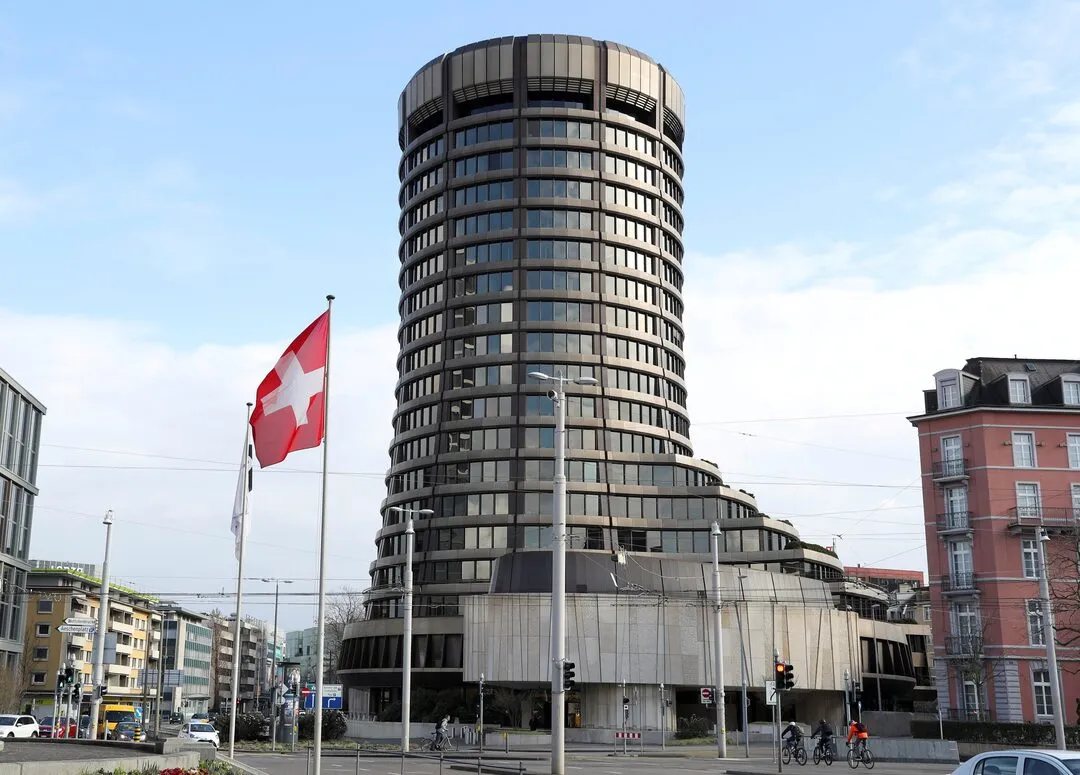
The International Monetary Fund (IMF) and the Bank for International Settlements (BIS) have intensified their call for global coordination on stablecoin regulation. As the market
Europe has entered a defining phase for digital asset regulation with the full implementation of the Markets in Crypto-Assets (MiCA) framework. This landmark legislation aims
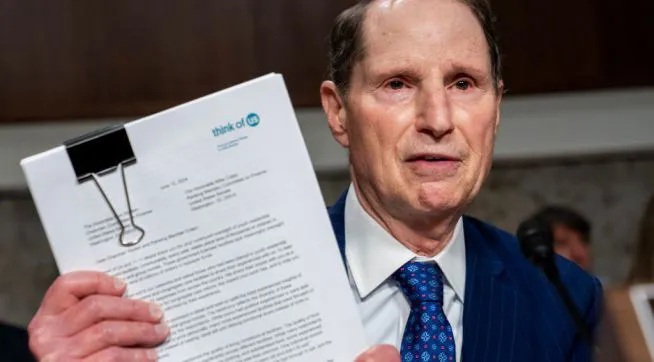
The United States has taken a major step toward establishing a clear regulatory framework for stablecoins. The new federal bill, recently approved by the Senate
The European Union’s Markets in Crypto-Assets Regulation (MiCA) has officially entered its implementation phase, setting a new benchmark for digital asset governance worldwide. While the

The International Monetary Fund is taking a leading role in shaping the future of global digital finance by proposing a unified regulatory framework for stablecoins.

In 2025, stablecoins have moved from the periphery of crypto markets to the center of global monetary debate. With more than $165 billion in circulation

IntroductionIn 2025, global stablecoin regulation is taking shape as policymakers across Europe, the United States, and Asia implement frameworks aimed at ensuring transparency, reserve adequacy,
IntroductionIn 2025, Tether (USDT) faces increasing scrutiny from U.S. regulators as authorities assess stablecoin operations, reserve transparency, and systemic risk. Analysts highlight that this regulatory