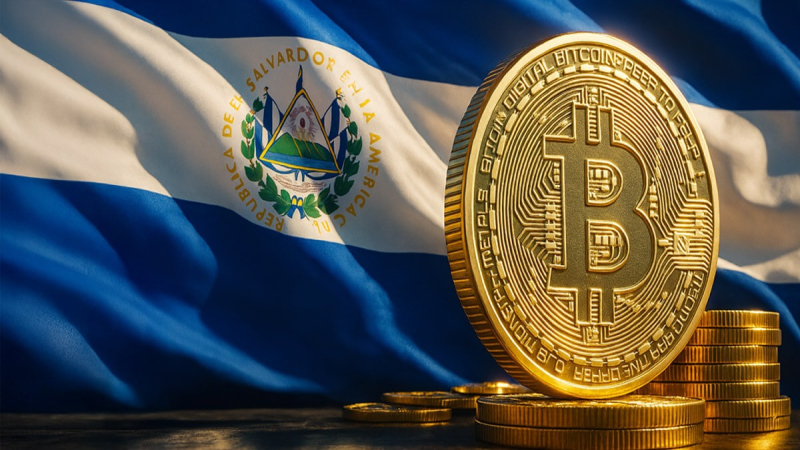
Tensions surrounding El Salvador’s approach to holding bitcoin have eased following a recent assessment that highlighted stronger than expected economic performance. In its latest review, International Monetary Fund projected solid growth for the Central American economy, citing improved confidence, investment activity, and resilient inflows from abroad. Notably, the assessment avoided earlier language that had emphasized scaling back digital asset exposure, suggesting a more pragmatic tone in ongoing discussions. El Salvador has continued to expand its bitcoin holdings even after securing financial support earlier this year, framing the strategy as part of a broader fiscal and innovation agenda. The absence of renewed criticism signals that macroeconomic indicators are currently carrying more weight in policy dialogue than the size of the country’s digital asset reserves.
Economic projections point to real growth of around 4 percent this year, with a positive outlook extending into 2026. Officials have attributed the expansion to higher investment levels, record remittances, and improving business sentiment. At the same time, talks with multilateral partners remain active, focusing on transparency and risk management around digital initiatives rather than outright reversal. Negotiations linked to state managed crypto infrastructure are reported to be advancing, reflecting an effort to align oversight practices with broader financial safeguards. While bitcoin accumulation has continued, authorities appear to be balancing this approach with commitments tied to fiscal discipline and structural reforms. For observers, the shift in tone suggests that engagement has moved from confrontation toward accommodation as long as broader economic stability is maintained.
The situation highlights a broader dynamic facing countries experimenting with digital assets at the sovereign level. Rather than insisting on uniform policy outcomes, international institutions increasingly appear to be prioritizing macroeconomic results and governance standards. In the case of El Salvador, continued growth and constructive engagement have softened earlier objections, even as bitcoin remains part of the national balance sheet. Analysts note that this does not imply endorsement of digital asset strategies, but it does reflect a willingness to adapt oversight to evolving realities. As discussions continue, the emphasis is likely to remain on safeguarding public resources and maintaining financial stability while allowing governments some latitude in how they pursue innovation within defined policy frameworks.