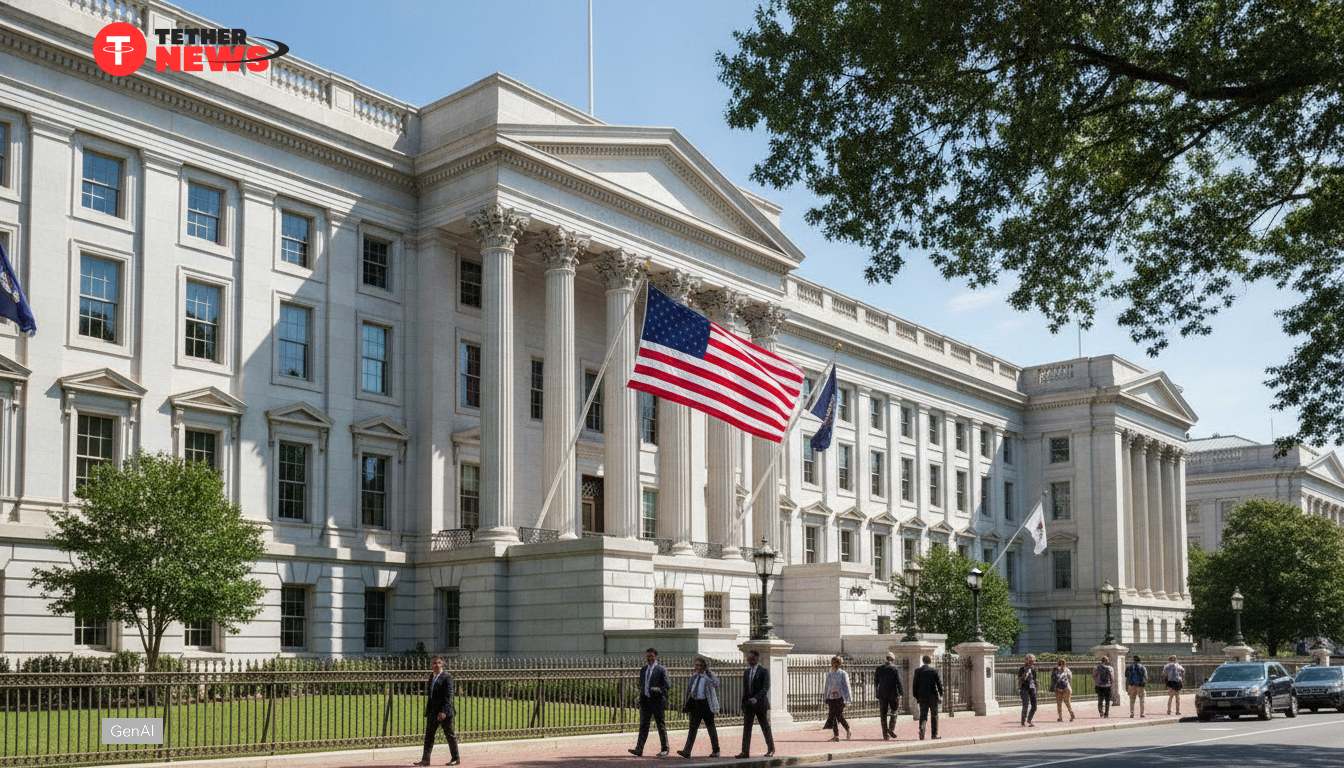
OFAC action puts Iran-linked exchanges in the spotlight
The US Treasury has increased enforcement against crypto intermediaries potentially enabling prohibited activities tied to Iran, as indicated by available reports. The Office of Foreign Assets Control described these designations as part of an effort to disrupt illicit revenue channels involving the US financial system. This move draws attention to Iran-linked exchanges for counterparty reviews, wallet screening, and transaction monitoring tied to stablecoin settlement. OFAC guidance has reminded market participants that US persons are generally prohibited from engaging with blocked parties once designated. Consequently, many exchanges and service providers may tighten deposit and withdrawal rules, review USDT routing, and revise sanctions controls for cross-border flows reaching restricted jurisdictions.
What OFAC said about the designations
OFAC has identified two crypto exchanges and associated infrastructure as targets under Iran-related authorities, according to the US Department of the Treasury. The notice outlines how these entities allegedly provided services to Iranian users and networks subject to restrictions, as reported by Treasury. A separate compliance context is emerging as stablecoin reserve practices and licensing debates intensify, highlighted by Stablecoin regulation: MiCA licensing fuels EU scam alerts. Compliance teams monitoring potential exposure to Iran-linked exchanges reference OFAC materials on screening identifiers and tracing wallet exposure across intermediaries. Controls being revisited include geofencing, enhanced KYC, and escalation workflows for attempted access from restricted regions, alongside blocking and reporting duties once a listing is published, reflecting OFAC compliance expectations.
Market fallout: liquidity, USDT rails, and risk limits
Some liquidity providers and OTC desks have reportedly adjusted risk limits after these designations, focusing on settlement paths potentially touching sanctioned parties. Derivatives venues and prime brokers are also reviewing counterparty onboarding and highlight potential OFAC strict-liability risks for sanctions breaches. In framing the broader stablecoin backdrop, some desks pointed to Tether Business Model: How USDT Generates Revenue when assessing how liquidity and redemption channels might be affected by heightened compliance scrutiny. Market makers are watching for possible spillover into stablecoin flows, as USDT is frequently used for cross-venue transfers in regions with limited banking access. Industry attention remains on major-market positioning, as seen in Strategy sells 1,690 bitcoin, raises $653 million from MSTR shares. Any immediate impact is often procedural and may influence routing decisions and counterparty preferences, according to trading and compliance teams.
How exchanges respond when sanctioned entities are listed
Designated entities may lose access to US-connected services, including banking and counterparties following OFAC restrictions. While public statements can be limited by legal considerations, operational realities may shift quickly once listings are published, as suggested by compliance advisers. For the broader industry, this episode is encouraging additional attention to custody and licensing pathways, similar to themes discussed in Cayman custody license lifts Blockchain.com compliance. Lawyers and compliance consultants note that exchanges commonly attempt to demonstrate improvements in control such as tighter KYC, transaction monitoring, and stricter jurisdictional restrictions, depending on the specifics and the platform’s risk appetite. This situation underscores the need for governance-demanded audit trails, including documented screening outcomes, customer risk scoring, and exception handling aligned to OFAC expectations, according to common compliance frameworks.
What this means for crypto regulation and compliance next
Regulators might view the action as another example of enforcement extending beyond domestic borders, especially where offshore venues serve sanctioned jurisdictions, according to policy analysts and prior Treasury messaging. The policy debate is also being shaped by legislative momentum and supervisory expectations, including framework issues covered in CLARITY Vote Puts Crypto Regulation in Senate Focus. In Washington, there is ongoing pressure for clearer crypto regulation pathways for intermediaries and stablecoin settlement, as firms seek predictable compliance standards. For compliance leaders, the lesson is that sanctions risk is often embedded into listing, wallet analytics, and counterparty governance rather than an afterthought, aligning with industry best practices. In parallel, cross-market focus on stablecoin scaling and compliance is growing, as shown by JPYC Series B Raises $38M to Scale Yen Pegged Stablecoin. Because exposure to Iran-linked exchanges remains a recurring screening and due diligence category, firms that build audit-ready controls can mitigate disruption when new designations occur.