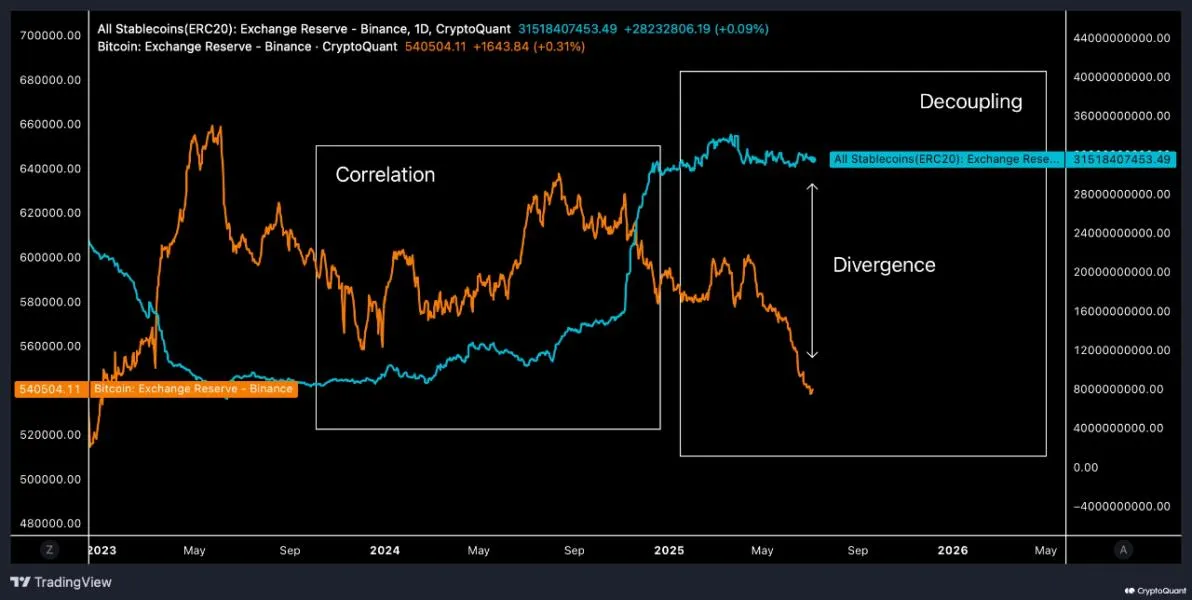
Stablecoin index performance has become an important indicator for assessing confidence within crypto markets. As stablecoins underpin most trading and settlement activity, their behavior reflects how participants perceive risk and opportunity. Tracking index performance helps move beyond price movements to understand deeper market dynamics.
When investors feel uncertain, stablecoin usage often increases. Indices capture these shifts by measuring changes in supply, volume, and market share. As a result, stablecoin index performance offers a clearer view of sentiment during both calm and volatile periods.
Understanding Stablecoin Index Performance
Stablecoin indices are designed to aggregate data across multiple stable assets. They typically track metrics such as circulating supply, transaction volume, and relative dominance. Together, these figures illustrate how much capital is positioned in stablecoins at any given time.
Rising index values often indicate that capital is flowing into stablecoins. This can suggest caution, as participants may be waiting for better entry points. In contrast, declining index values can reflect capital rotation into riskier assets as confidence improves.
Unlike price-based indicators, stablecoin indices focus on behavior rather than valuation. This makes them especially useful for understanding market psychology.
Confidence Signals During Volatile Periods
During periods of heightened volatility, stablecoin index performance tends to change quickly. Sharp increases may signal defensive positioning as traders seek stability. These moves often precede or accompany downturns in broader asset prices.
Conversely, when volatility subsides, stablecoin indices may flatten or decline. This suggests that participants are redeploying capital into growth-oriented assets. Monitoring these shifts helps identify transitions between fear and optimism.
Because stablecoins remain liquid and accessible, index changes can act as early warning signals. They often appear before more obvious market trends develop.
Interpreting Institutional and Retail Behavior
Stablecoin indices also shed light on differences between institutional and retail behavior. Large, steady increases in index metrics may reflect institutional positioning and liquidity management. Institutions often use stablecoins for settlement and collateral, which influences index readings.
Retail-driven shifts, on the other hand, may appear more abrupt. Sudden spikes in stablecoin usage can reflect emotional responses to news or price movements. Understanding these patterns helps analysts distinguish structural trends from short-term reactions.
As institutional participation grows, stablecoin indices are becoming more stable and predictable. This evolution improves their reliability as confidence indicators.
Combining Indices With Other Market Metrics
While informative, stablecoin index performance should not be viewed in isolation. Combining index data with trading volume, volatility, and macroeconomic indicators provides a fuller picture. Context helps prevent misinterpretation of normal liquidity adjustments as signals of fear or stress.
For example, rising stablecoin supply alongside high trading volume may indicate active participation rather than risk aversion. Interpreting indices alongside other data points leads to more accurate insights.
As analytics tools improve, integrated dashboards are making this process easier for market participants.
Conclusion
Stablecoin index performance offers valuable insight into market confidence by revealing how capital is positioned during different conditions. By focusing on liquidity and behavior rather than price, these indices highlight shifts in sentiment that may otherwise go unnoticed. As stablecoins remain central to crypto markets, index performance will continue to serve as a key confidence signal.