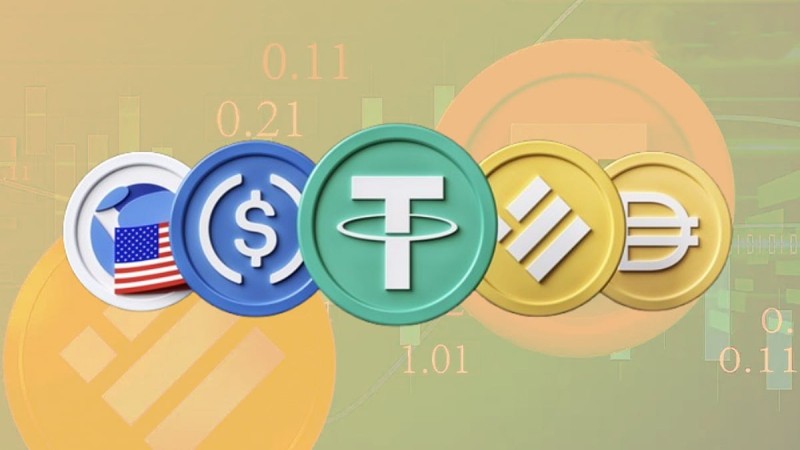
Stablecoin dominance was once a straightforward calculation. Analysts compared circulating supply figures and ranked tokens based on how much had been issued. That approach made sense when stablecoins were largely passive instruments used to park value during volatile markets. In 2025, that method no longer captures how stablecoins actually function within the digital asset ecosystem.
As stablecoins become deeply integrated into trading, settlement, and on chain activity, dominance indexes have evolved. Today, these indexes aim to measure relevance rather than size. Usage, liquidity behavior, and transactional role now shape how dominance is interpreted, marking a clear shift from static supply focused models.
The change reflects a broader understanding that stablecoins are not just issued assets but operational tools. A token’s importance increasingly depends on how often and where it is used, not merely how many units exist.
Why Supply Alone No Longer Explains Stablecoin Influence
Circulating supply remains a useful data point, but it has lost its ability to explain real market influence on its own. Large portions of issued stablecoins can remain inactive, locked in reserves, or held long term without contributing to market activity. In such cases, high supply does not necessarily translate into functional dominance.
Modern dominance indexes now adjust for this limitation by discounting idle balances and emphasizing active circulation. Tokens that move frequently, support trading pairs, or facilitate settlement flows are weighted more heavily. This approach provides a clearer picture of which stablecoins actually support market operations.
By shifting away from supply only metrics, dominance indexes now align more closely with how participants interact with stablecoins in practice.
Usage Based Metrics and Transactional Activity
One of the most important additions to dominance measurement is transactional activity. Index providers increasingly track transfer frequency, transaction counts, and value moved over time. These metrics help distinguish between stablecoins that are widely used and those that are primarily held.
High transaction activity suggests trust in a stablecoin’s usability and infrastructure. It indicates that market participants are comfortable relying on it for frequent transfers, trading, and settlement. In contrast, low activity relative to supply may signal limited integration or narrower use cases.
Usage based metrics also capture shifts in market behavior more quickly. When traders rotate liquidity or change settlement preferences, transaction data reflects these movements faster than supply figures.
Liquidity Weighting and Market Pair Relevance
Liquidity has become another central component of stablecoin dominance indexes. Rather than treating all issued tokens equally, newer models assess how much liquidity a stablecoin provides across major trading venues. This includes its presence in high volume trading pairs and its role as a base asset in price discovery.
A stablecoin with deep liquidity can exert outsized influence even with a smaller total supply. Liquidity weighting helps explain why some stablecoins remain central to market structure despite slower issuance growth. It also highlights the practical importance of reliable order book depth and settlement efficiency.
By incorporating liquidity data, dominance indexes better reflect the real conditions traders face when entering or exiting positions.
Cross Platform and On Chain Integration Signals
Dominance measurement has also expanded to account for how widely a stablecoin is integrated across platforms. This includes centralized exchanges, decentralized protocols, and cross chain environments. A stablecoin that functions smoothly across multiple systems demonstrates broader utility than one confined to a single venue.
Indexes now consider how often a stablecoin appears in on chain applications such as lending, derivatives collateral, and automated market makers. These integrations signal operational trust and technical compatibility. They also indicate whether a stablecoin supports complex financial activity rather than simple storage.
This broader scope allows dominance indexes to capture infrastructure relevance alongside market presence.
Conclusion
Stablecoin dominance indexes in 2025 are no longer simple rankings of supply. They reflect how stablecoins are actually used, traded, and integrated into market infrastructure. By focusing on usage, liquidity, and transactional behavior, these indexes offer a more accurate view of influence and relevance. This evolution mirrors the stablecoin market itself, which has moved from passive issuance toward active financial utility.