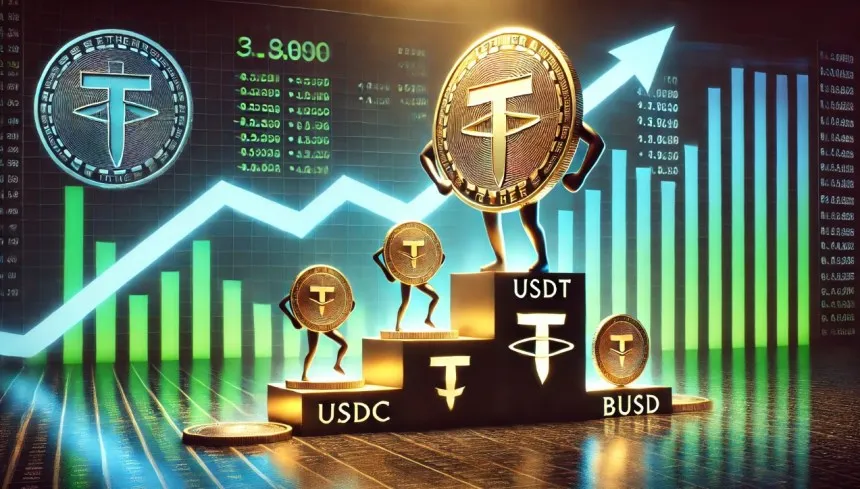
As digital asset markets mature, analysts have turned their attention to comparing USDT with a growing selection of alternative stable assets entering the ecosystem. The debate has become especially relevant in 2025 as usage continues to expand across trading, remittances, and institutional settlements. Many new tokens aim to challenge USDT’s long standing dominance by offering enhanced transparency, novel collateral models, or innovative technological features.
Despite the rise of competitors, USDT maintains its status as one of the most widely used stable assets in the world. Analysts reviewing its position emphasize that stablecoins behave differently from traditional crypto assets because value, liquidity, and credibility matter more than price movement alone. Understanding how USDT compares to emerging alternatives offers insight into the future direction of the stable asset sector.
Key Differences Between USDT and Alternative Tokens
The first major difference analysts point to is liquidity. USDT remains unmatched in terms of market depth across exchanges, making it the go-to choice for traders who require quick conversions during high volatility conditions. Competing tokens may provide strong transparency or innovative reserve structures, but few can rival USDT’s trading volume and availability across global platforms. This liquidity advantage remains one of its strongest competitive pillars.
Another important factor is ecosystem integration. USDT operates on multiple chains, giving users flexibility to choose networks based on transaction speed, fees, and accessibility. Many new stable assets start with limited chain support, which slows early adoption. Analysts note that users typically prefer assets that can move smoothly across platforms without facing compatibility issues, placing USDT in a favorable position.
Security and transparency models also differ significantly. While some alternative tokens highlight frequent audits and real time reserve reporting, USDT follows its own disclosure structure. Analysts argue that transparency expectations have increased as regulators begin monitoring stable assets more closely. Competitors may gain ground by offering more visible reserve practices, though they still struggle to match USDT’s global reach.
Adoption Trends Driving the Comparison
One major reason comparisons are becoming more common is the surge in stable asset usage across non trading sectors. Businesses now use stablecoins for payroll, settlement, and treasury management. This shift has pushed analysts to examine which tokens provide the most reliability for long term operations.
Emerging tokens are gaining attention for offering programmable features that allow businesses to automate transfers, manage expenses, or integrate with decentralized applications. While USDT supports many of these functions, new stable assets often position themselves as optimized solutions for enterprise environments. Analysts note that these enhancements appeal to developers and businesses exploring blockchain based financial tools.
However, adoption still heavily favors USDT due to its reputation as a long standing market anchor. Competitors may offer attractive features, but many users prioritize trust, longevity, and proven resilience over novelty. Analysts believe this mindset will remain strong unless a major alternative demonstrates sustained stability over several years.
Market Performance and User Behavior Insights
Analysts have identified clear behavioral patterns among users when comparing USDT to newer stable assets. Traders tend to rely on USDT because of familiarity and accessibility. Platforms list it first, trading pairs revolve around it, and people trust it during uncertain conditions. These habits make it difficult for alternatives to gain traction quickly.
In contrast, developers and early adopters are more likely to experiment with emerging stable assets. They value technical improvements such as faster settlement times or more transparent backing structures. These users often participate in testing new token mechanics or integrating them into decentralized applications.
Analysts highlight that market performance is not determined solely by token design. Community trust, regulatory environment, and issuer track record all play crucial roles. For now, USDT remains the leader because it consistently delivers predictable performance across diverse use cases.
Outlook for the Expanding Stable Asset Market
As new stable assets continue to launch, analysts expect comparisons with USDT to intensify. Competition is likely to drive improvements in transparency, technology, and global accessibility. Many believe the industry will eventually support multiple strong stablecoins rather than a single dominant option, especially as different regions adopt their preferred digital payment tools.
USDT’s future position will depend on how effectively it adapts to increasing regulatory oversight and rising expectations for reserve clarity. Meanwhile, emerging tokens must prove they can maintain long term stability and scale efficiently within global markets. Analysts agree that the evolving landscape will benefit users, offering more choices and better features as innovation accelerates.
Conclusion
Analysts comparing USDT with new alternative tokens highlight differences in liquidity, transparency, adoption, and technical capabilities. While USDT continues to dominate due to its global reach and reliability, emerging stable assets introduce fresh ideas that may shape the next phase of digital finance. The stable asset sector is poised for further growth, and these comparisons help users understand how each token fits into an increasingly diverse ecosystem.