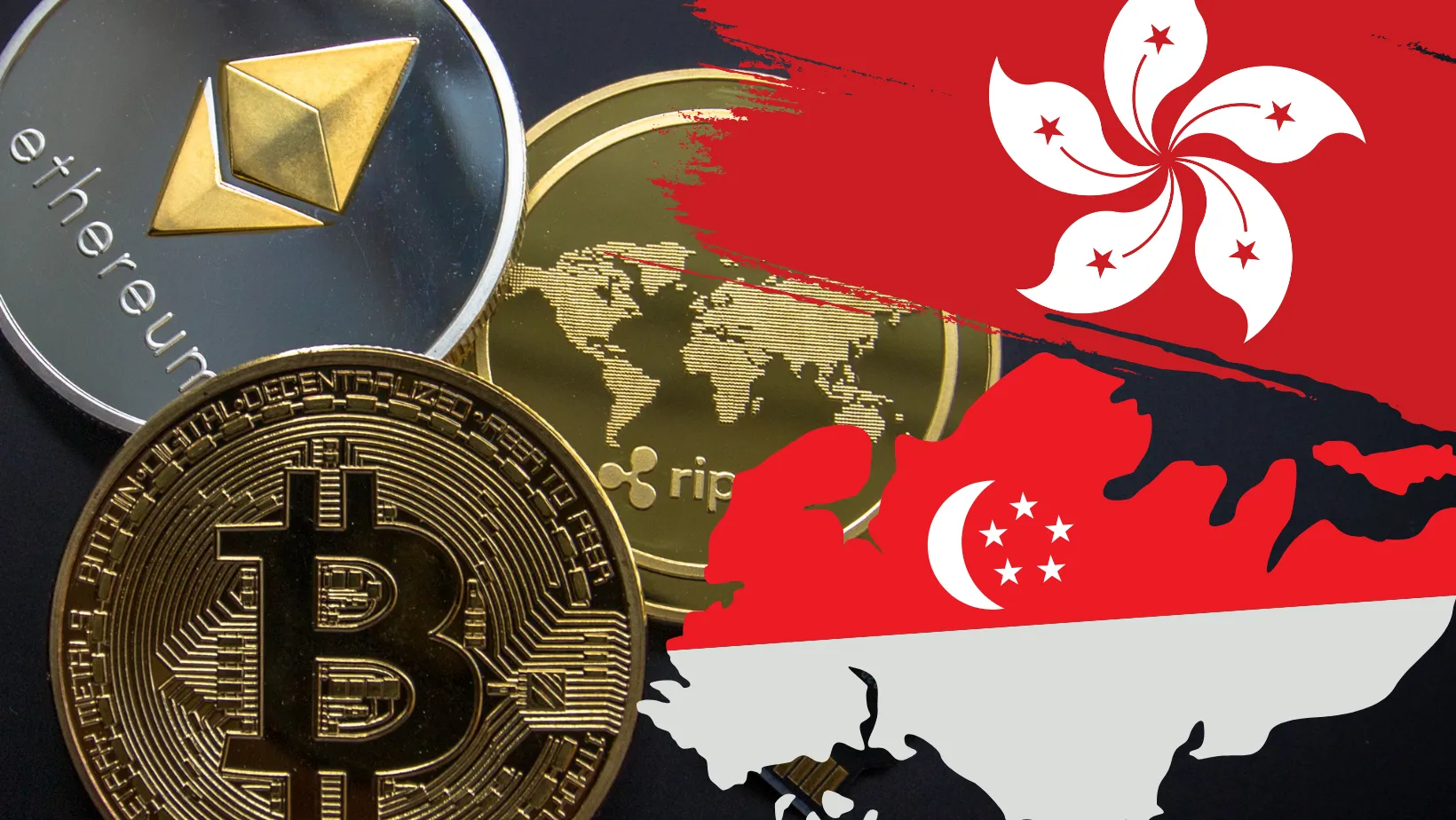
Asia has become the epicenter of regulatory innovation in digital assets. While Western jurisdictions continue to debate frameworks for stablecoins, crypto trading, and decentralized finance, Asian financial hubs such as Singapore, Hong Kong, and the United Arab Emirates are moving decisively. Their strategies combine robust compliance with open innovation, creating models that attract both institutional capital and global fintech companies.
In 2025, these jurisdictions are not only competing for market leadership but are also shaping what responsible digital asset governance looks like. Their approach blends strict licensing, transparency, and risk management with progressive integration of blockchain into mainstream financial infrastructure. As global institutions search for clarity, Asia’s blueprint is emerging as the standard for crypto regulation and fintech policy.
Singapore: Compliance-First, Innovation-Driven
Singapore remains the region’s benchmark for digital asset regulation. The Monetary Authority of Singapore (MAS) has established a licensing regime under the Payment Services Act that balances innovation with investor protection. Every exchange, wallet provider, and stablecoin issuer must obtain approval and meet strict requirements on capital adequacy, reserve backing, and anti-money laundering compliance.
In 2025, MAS strengthened its framework further by introducing the Stablecoin Issuance and Governance Guidelines. These rules require stablecoins pegged to the Singapore dollar or other major currencies to maintain full one-to-one backing with cash and short-term government securities held in segregated accounts. Issuers must publish monthly attestation reports verified by independent auditors and guarantee same-day redemption.
Singapore’s strategy extends beyond regulation. The city-state actively supports blockchain integration through its Project Guardian initiative, which tests tokenized bonds, foreign exchange settlements, and institutional DeFi applications. This dual approach, strict supervision combined with technological adoption, positions Singapore as the leading global laboratory for regulated digital finance.
Hong Kong: Reclaiming its Financial Innovation Crown
After a period of regulatory caution, Hong Kong has reasserted itself as a key global crypto hub. The Hong Kong Monetary Authority (HKMA) and the Securities and Futures Commission (SFC) have rolled out comprehensive frameworks for virtual asset trading platforms and stablecoin issuers. Their goal is to align digital assets with Hong Kong’s long-standing reputation for transparency, governance, and investor protection.
In 2025, Hong Kong launched its Virtual Asset Service Provider (VASP) licensing regime, allowing fully regulated trading and custody services. Stablecoin issuers are now required to maintain one-to-one reserves, submit quarterly reports, and operate under independent oversight. The regulatory clarity has drawn major global exchanges, asset managers, and fintech firms back to the region.
At the same time, Hong Kong is collaborating with the People’s Bank of China on Project mBridge, an initiative to test cross-border CBDC settlements using blockchain technology. This experiment underscores Hong Kong’s strategic role as the interface between China’s digital yuan ecosystem and international financial markets. The combination of legal certainty, capital accessibility, and infrastructure investment is positioning Hong Kong as a critical node in the next generation of regulated digital finance.
United Arab Emirates: Global Gateway for Digital Assets
The United Arab Emirates has emerged as the Middle East’s leading hub for blockchain policy and financial innovation. Through the Virtual Assets Regulatory Authority (VARA) in Dubai and the Abu Dhabi Global Market (ADGM) Financial Services Regulatory Authority, the UAE has built one of the most comprehensive digital asset frameworks in the world.
The UAE’s model focuses on international interoperability and institutional trust. VARA’s licensing system covers exchanges, brokers, custodians, and stablecoin issuers, requiring adherence to detailed operational, cybersecurity, and financial standards. The ADGM has complemented this with clear rules on tokenized securities and virtual asset custody, enabling banks and fintechs to offer blockchain-based financial products under unified supervision.
The UAE’s commitment to compliance and innovation is supported by partnerships with global regulators and technology providers. The nation’s recent integration of blockchain into cross-border trade finance and remittance platforms demonstrates how digital assets can support real-world economic transformation. The result is a regulatory environment that welcomes global participation while maintaining strong oversight and anti-financial crime protections.
Policy Convergence and Regional Leadership
Singapore, Hong Kong, and the UAE are setting a precedent for policy convergence. Their frameworks share common features: licensing for all key service providers, strict reserve management for stablecoins, transparent reporting, and technological neutrality that allows blockchain to integrate with existing financial systems. This convergence reduces regulatory uncertainty for global firms operating across multiple jurisdictions.
Asia’s leadership is also influencing international bodies. The IMF, BIS, and G20 have highlighted these models in their discussions on global digital asset standards. Each jurisdiction demonstrates that regulation and innovation can coexist, providing a template for other countries seeking to modernize their financial systems without sacrificing oversight.
Conclusion
The rise of Asia as the global leader in digital asset regulation represents a major turning point in the evolution of global finance. Singapore, Hong Kong, and the UAE have proven that clear rules, strong governance, and open innovation can attract institutional investment while maintaining financial integrity.As stablecoins, tokenized assets, and blockchain-based payment systems expand, these three hubs will continue to shape how the world integrates digital assets into mainstream finance. Their success underscores a broader truth: clarity, not caution, is the foundation of progress in digital regulation. In the next phase of global finance, the playbook for innovation with compliance will likely be written in Asia.