Asia is rapidly emerging as the global center of stablecoin adoption and innovation. From Singapore’s regulated digital asset frameworks to Hong Kong’s pilot programs and the United Arab Emirates’ fintech expansion, regional policymakers are building an advanced infrastructure for blockchain-based payments and financial settlements. Stablecoins such as Tether’s USDT and Circle’s USDC have become central to these developments, driving liquidity, cross-border trade, and institutional integration.
Unlike the fragmented regulatory debates seen elsewhere, Asia’s approach to stablecoins is pragmatic and forward-looking. Governments are creating clear legal frameworks that encourage innovation while maintaining financial oversight. This balance between compliance and innovation is positioning Asia as the leader in the global stablecoin economy, shaping the next generation of digital finance.
Singapore: A Global Hub for Regulated Stablecoin Innovation
Singapore has taken one of the most proactive stances in the world toward digital currency regulation. The Monetary Authority of Singapore (MAS) implemented comprehensive rules in 2025 that govern the issuance, reserve management, and redemption of fiat-backed stablecoins. These regulations apply to both domestic issuers and international players, making Singapore a benchmark for global compliance.
Under the new framework, stablecoin issuers must maintain full reserve backing in highly liquid assets such as cash and short-term government securities. They are also required to publish regular attestations and meet strict redemption obligations. This transparency gives institutional investors confidence in using stablecoins for settlement and payments within Singapore’s growing fintech ecosystem.
Tether and Circle have both strengthened their presence in the region by partnering with licensed financial institutions to ensure compliance with MAS standards. As a result, Singapore has become a hub for stablecoin-based financial products, including tokenized treasury instruments and on-chain corporate payments. The city-state’s alignment of regulatory clarity with financial innovation has made it a model for other economies seeking to modernize digital finance.
Hong Kong: Building a Bridge Between Traditional Finance and Web3
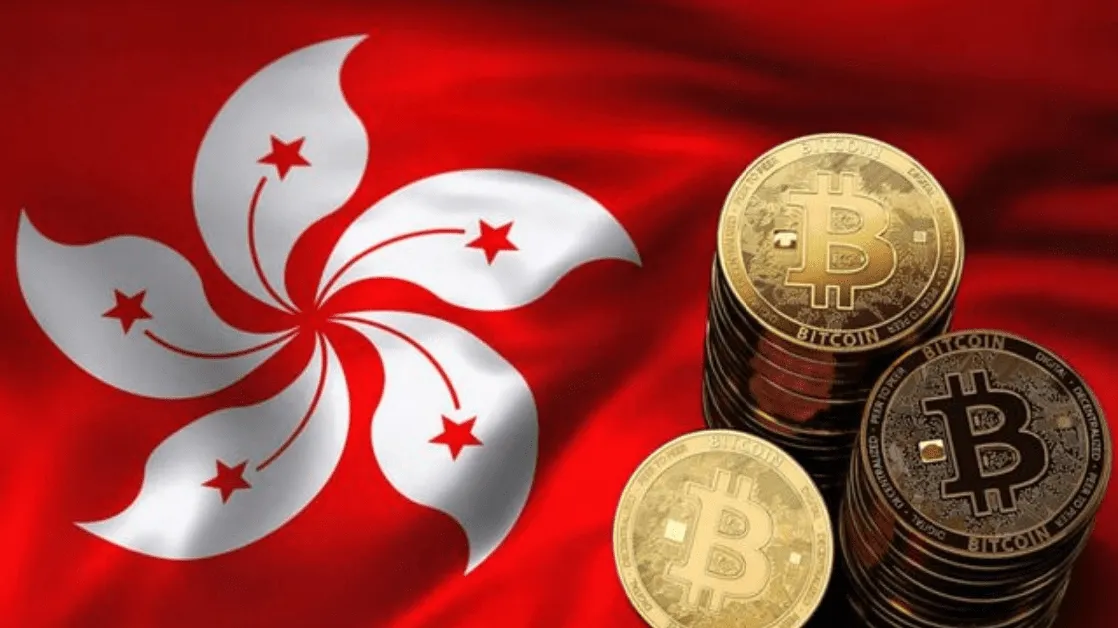
Hong Kong is also asserting itself as a key player in the stablecoin revolution. The Hong Kong Monetary Authority (HKMA) has established a stablecoin licensing framework designed to integrate digital assets into the city’s robust financial infrastructure. The framework covers issuance, redemption, and custody requirements, as well as transparency obligations for reserve assets.
Hong Kong’s strategic goal is to become the regional hub connecting traditional finance with blockchain-based ecosystems. The HKMA has already launched pilot programs exploring the use of stablecoins for cross-border trade and tokenized bond settlements. Local banks are testing partnerships with fintech firms to issue Hong Kong dollar and U.S. dollar-backed stablecoins within a fully supervised environment.
The city’s focus on interoperability and compliance is attracting global companies looking for a regulated Asian base. Tether and other issuers are exploring integration with Hong Kong’s upcoming wholesale central bank digital currency system, which would allow stablecoins and CBDCs to coexist seamlessly in digital trade and settlement networks.
Hong Kong’s evolving Web3 policies also emphasize user protection and transparency. By combining a robust financial foundation with an open digital asset policy, the city is reinforcing its reputation as a global financial gateway.
United Arab Emirates: Blockchain Finance at the Core of Economic Transformation
The United Arab Emirates is advancing stablecoin adoption as part of its strategy to build a blockchain-powered financial ecosystem. Dubai’s Virtual Assets Regulatory Authority (VARA) and Abu Dhabi Global Market (ADGM) have introduced detailed licensing regimes for stablecoin issuers and digital asset service providers.
These frameworks focus on promoting financial innovation while ensuring compliance with anti-money-laundering and counter-terrorism standards. Stablecoins are now being used for cross-border trade settlements, remittance payments, and tokenized asset transactions across the region. The UAE’s strategic partnerships with global fintech firms are accelerating the integration of blockchain into mainstream finance.
Tether’s USDT has gained significant traction in the Middle East, serving as a digital dollar for trade and investment flows between Asia, Africa, and Europe. Circle has also expanded its USDC network to include UAE-regulated financial institutions, supporting cross-border settlement and fintech applications.
The UAE’s commitment to digital transformation extends beyond regulation. Its economic vision includes developing blockchain-based infrastructures for government services, logistics, and financial transactions. This environment is turning the Emirates into a global hub for Web3 entrepreneurship and stablecoin-driven commerce.
Regional Collaboration and the Future of Stablecoin Finance
The success of Singapore, Hong Kong, and the UAE reflects a regional trend toward collaborative regulation and interoperability. Each jurisdiction is developing clear rules tailored to its financial environment while maintaining alignment with global standards set by the IMF, the Financial Stability Board, and the Bank for International Settlements.
Asian regulators are also exploring cross-border frameworks to allow stablecoins and CBDCs to operate seamlessly across markets. Projects like mBridge, which involve the central banks of China, Hong Kong, Thailand, and the UAE, are testing multi-currency blockchain networks for international payments. These initiatives highlight Asia’s focus on using stablecoin technology to enhance trade efficiency and monetary integration.
The region’s fintech hubs are not competing in isolation. Instead, they are building a connected digital finance corridor that extends from Southeast Asia to the Middle East. With growing institutional participation and supportive regulation, Asia is emerging as the world’s proving ground for stablecoin adoption at scale.
Conclusion
Asia’s leadership in the stablecoin revolution marks a decisive shift in global finance. Through regulatory clarity, technological innovation, and cross-border collaboration, Singapore, Hong Kong, and the UAE are creating a sustainable model for digital asset integration. Stablecoins are no longer just trading instruments; they are becoming the foundation for payments, credit, and tokenized capital markets.As these financial hubs continue to innovate, the rest of the world is taking notice. The synergy between private issuers like Tether and Circle and forward-thinking regulators is setting new standards for trust and transparency. Asia is not simply adopting blockchain finance , it is defining its future.