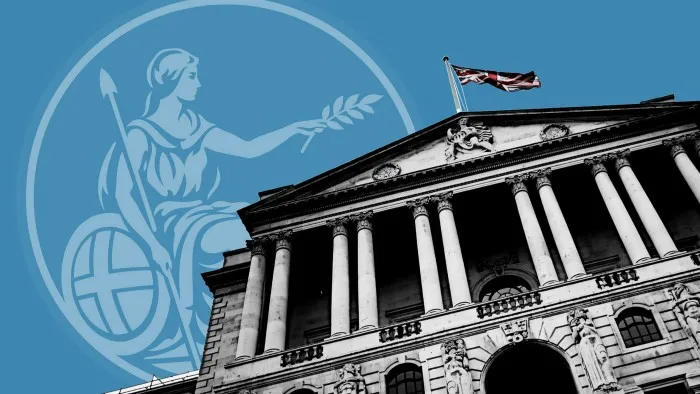
The Bank of England is intensifying calls for comprehensive regulation of stablecoins, arguing that these digital assets should be subject to the same oversight standards as traditional banks. As stablecoins such as Tether (USDT), USDC, and DAI gain dominance in cryptocurrency markets, they play a central role in trading, lending, and decentralized finance operations. This growing influence raises concerns about systemic risk, investor protection, and financial stability. The Bank of England, along with other global regulators, is advocating for rules that would ensure stablecoins are fully backed, auditable, and resilient under stress conditions.
Rationale for Regulation
Stablecoins provide a bridge between fiat currency and digital assets, making them crucial for traders, exchanges, and decentralized finance platforms. Their ability to maintain a stable value makes them ideal for short-term collateral, lending, and high-frequency trading. However, the very stability that attracts market participants also masks underlying risks.
Bank of England Governor Andrew Bailey has emphasized that widely-used stablecoins must operate under frameworks that ensure transparency, liquidity, and security. The main concern is that investors and institutions often assume these coins are fully backed without fully understanding reserve practices, composition, or governance mechanisms. Inadequate oversight could lead to a sudden loss of confidence, triggering withdrawals and market instability similar to a bank run.
Comparisons with Traditional Banks
Governor Bailey has drawn parallels between stablecoins and traditional banking institutions. In traditional banking, regulators require regular audits, reserve requirements, deposit insurance, and capital adequacy standards. These measures help protect depositors and maintain confidence in the financial system.
Stablecoins, while not banks, serve a similar economic function by holding value and facilitating payments and trades. By applying similar principles of transparency and oversight, regulators aim to ensure that stablecoins cannot fail without warning or create systemic disruptions in cryptocurrency markets. The goal is not to stifle innovation but to provide safeguards for investors, exchanges, and the broader financial ecosystem.
Global Context
The Bank of England is not alone in advocating for stablecoin regulation. The European Union is implementing the Markets in Crypto Assets framework, which sets requirements for reserve verification, transparency, and operational resilience. In the United States, regulators are evaluating stablecoin frameworks to protect investors while allowing technological innovation. Asia and other jurisdictions are also studying models that balance innovation and risk management.
This global push for regulation highlights the increasing systemic importance of stablecoins. With trillions of dollars in trading volume and billions in reserve backing, stablecoins can influence liquidity, pricing, and financial stability in ways similar to traditional financial institutions. Coordinated oversight is essential to prevent regulatory arbitrage, where stablecoins operate in jurisdictions with the least scrutiny.
Implications for Market Participants
Regulatory expectations will have significant implications for stablecoin issuers, exchanges, and investors. Issuers such as Tether and Circle may need to increase transparency, enhance auditing practices, and maintain fully liquid reserves to comply with oversight standards. Exchanges will need to verify that stablecoins meet regulatory criteria before integrating them into trading pairs or lending protocols.
Investors and institutional participants must also evaluate stablecoin risk differently under these proposed regulations. Due diligence will require reviewing reserve backing, audit reports, governance structures, and compliance records. Platforms that fail to meet regulatory standards could face withdrawal of licenses, loss of trust, or reduced liquidity in their stablecoin offerings.
Potential Benefits of Regulation
Proper regulation of stablecoins offers multiple benefits. First, it enhances investor confidence by ensuring that digital assets are backed by verifiable, liquid reserves. Second, it reduces systemic risk by providing a framework for operational oversight and reserve management. Third, it supports the broader adoption of stablecoins in mainstream financial systems, as institutions will be more willing to integrate assets that meet recognized regulatory standards.
Regulation also encourages industry-wide transparency. By setting minimum standards for disclosure, reserve audits, and operational governance, regulators create an environment where stablecoin issuers compete on reliability and trustworthiness rather than opacity or speed of issuance. This approach could elevate the credibility of the entire cryptocurrency market.
Challenges and Industry Considerations
While regulation is essential, it comes with challenges. Stablecoin issuers operate globally and must navigate multiple jurisdictions with differing requirements. Harmonizing standards across regions is critical to avoid fragmented compliance and potential market disruptions.
Exchanges and DeFi platforms must also adapt. Rules around reserve verification, liquidity maintenance, and audit reporting may increase operational costs and complexity. However, these measures are necessary to prevent systemic risks and ensure stability in volatile markets.
Some critics argue that excessive regulation could stifle innovation. However, the Bank of England maintains that safeguards are necessary to protect investors and maintain confidence, especially as stablecoins increasingly perform functions traditionally associated with banks.
Conclusion
The Bank of England’s call for regulating stablecoins like traditional banks reflects the growing systemic importance of these digital assets. Stablecoins play a central role in trading, lending, and decentralized finance operations, and their widespread use exposes markets to potential liquidity and operational risks. By applying principles similar to banking oversight, regulators aim to enhance transparency, ensure liquidity, and protect investors.
This regulatory approach benefits issuers, exchanges, and investors by providing a framework for trust, operational resilience, and compliance. Issuers will need to maintain verifiable reserves and adhere to auditing standards. Exchanges will have to ensure that stablecoins meet these regulatory benchmarks before listing or integrating them. Investors will benefit from improved transparency and reduced risk exposure.
Globally coordinated regulation could strengthen the credibility of stablecoins, encourage institutional adoption, and reduce the likelihood of market shocks. While challenges remain, the Bank of England’s advocacy underscores the need for robust governance, transparency, and operational oversight in the stablecoin market. As the cryptocurrency ecosystem matures, clear and consistent regulatory standards will help ensure that stablecoins contribute to financial stability rather than create new systemic vulnerabilities.