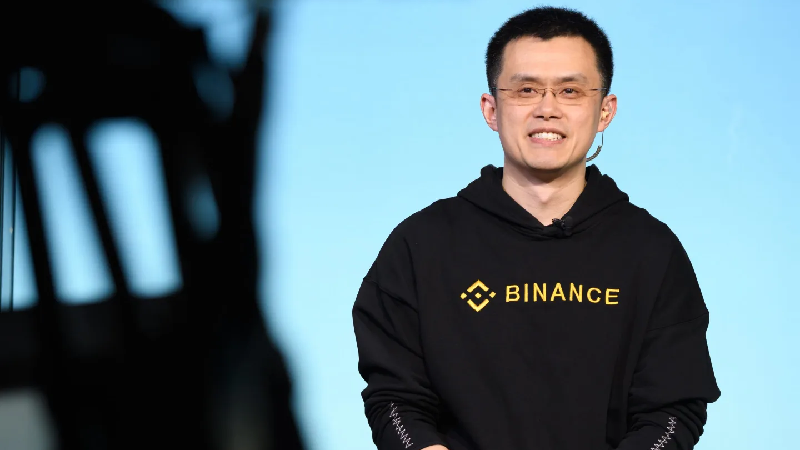
Changpeng Zhao, the founder and former chief executive of Binance, has publicly rejected recent allegations suggesting the crypto exchange played a role in facilitating transactions connected to Iran or potential terrorism financing. Speaking during a remote appearance at a major blockchain policy event in Washington, Zhao dismissed the claims as unfounded and lacking practical logic. His response comes at a time of heightened geopolitical tension and increased scrutiny on digital asset platforms, particularly regarding compliance with international sanctions and financial monitoring standards across global markets.
Zhao emphasized that he has no personal or business interest in engaging with entities linked to Iran, highlighting that such activity would offer no economic incentive to a major exchange. He pointed out that the transactions referenced in recent reports would not generate meaningful fees or strategic value for Binance. The former executive also referenced his current residence in a region affected by tensions involving Iran, reinforcing his position that involvement in such activities would contradict both personal and operational priorities. His remarks aimed to counter narratives suggesting deliberate participation in questionable financial flows.
The allegations stem from broader concerns around the use of digital assets in cross border transactions, where regulators and policymakers have increasingly focused on preventing misuse for illicit purposes. Binance, as one of the largest crypto exchanges globally, has often been at the center of such discussions due to its scale and international reach. Zhao noted that previous legal actions related to similar accusations have not resulted in sustained findings against the company, suggesting that earlier claims lacked sufficient evidence to support long term regulatory action.
The situation is further complicated by ongoing legal and media scrutiny surrounding Binance’s internal compliance practices. Recent reporting has suggested that certain internal alerts flagged suspicious transaction activity tied to sanctioned entities, though these claims remain contested. Binance has responded by taking legal action against some of the reporting, signaling a more aggressive defense of its reputation. The exchange has also highlighted its continued efforts to strengthen compliance systems and align with global regulatory standards following earlier settlements with US authorities.
The broader context reflects a shifting regulatory environment where crypto platforms are expected to meet increasingly strict oversight requirements. As geopolitical risks intersect with financial technology, exchanges face growing pressure to demonstrate transparency and control over transaction flows. Zhao’s statements represent an attempt to reinforce confidence in the platform’s operations while distancing himself and the company from allegations that could impact its global standing. The outcome of ongoing scrutiny may shape how large crypto firms navigate compliance and public perception in the years ahead.