Bitcoin and global equity markets have stabilized after experiencing a sharp selloff earlier in the week triggered by escalating geopolitical tensions involving the United States, Israel and Iran. The initial market reaction pushed risk assets lower as oil prices surged and investors rushed toward safer assets. However prices across several major markets began to recover as diplomatic signals and security measures eased concerns about immediate supply disruptions. Despite the rebound in cryptocurrencies and equities, bond markets are sending a more cautious signal as government bond yields continue to rise, reflecting renewed fears about inflation and uncertainty over the direction of interest rate policy.
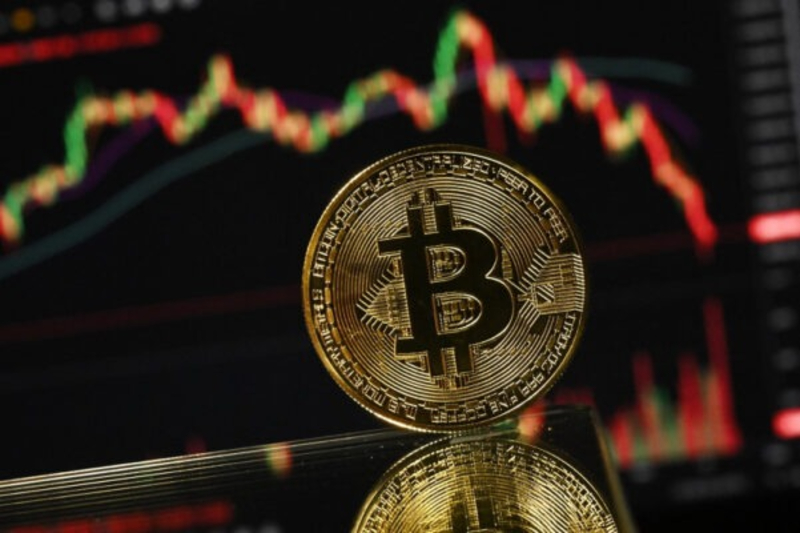
Bitcoin, the world’s largest cryptocurrency by market capitalization, rebounded strongly following the earlier drop and climbed back above seventy thousand dollars by the end of the week. The digital asset had briefly fallen near sixty five thousand dollars during the weekend as geopolitical developments rattled financial markets. The recovery has been significant, with the cryptocurrency gaining nearly ten percent over the week and briefly approaching seventy four thousand dollars at one stage. Global equity markets mirrored this recovery. Futures linked to the S and P 500 index initially dropped to multi week lows before gradually rebounding as investors reassessed the broader economic impact of the conflict and energy supply concerns.
The initial selloff across markets was driven largely by a rapid rise in oil prices following reports that Iranian authorities had blocked oil tankers passing through the Strait of Hormuz, a crucial route for global crude shipments. The disruption created fears of a potential supply shock that could ripple through global energy markets and push inflation higher. Financial markets began to stabilize after the United States announced plans to escort energy shipments through the region while also offering political risk insurance for oil and gas tankers navigating the strategic waterway. These measures helped reduce immediate fears of supply disruptions and supported the recovery of risk assets.
While cryptocurrencies and stocks have rebounded, the bond market continues to reflect a more cautious outlook. The yield on the ten year United States Treasury note has climbed steadily over several days, rising from around three point nine percent to more than four point one percent. At the same time the two year Treasury yield, which closely reflects expectations for interest rate policy, has moved sharply higher. Rising yields typically signal that investors expect stronger inflation or tighter monetary policy. The shift suggests that traders are reconsidering earlier expectations that the Federal Reserve would begin cutting interest rates later this year.
Market analysts say the increase in bond yields highlights a deeper tension in financial markets. On one hand economic data in the United States continues to show resilience, with service sector activity expanding and employment figures exceeding expectations. On the other hand rising energy prices could create inflationary pressure that complicates the Federal Reserve’s policy decisions. Some traders believe this combination of strong economic activity and energy driven inflation could force policymakers to keep interest rates elevated for longer than previously expected, limiting the potential upside for risk assets including cryptocurrencies and equities.
Energy analysts also warn that the inflationary effects of geopolitical disruptions in oil markets often appear gradually rather than immediately. Historical patterns show that oil prices frequently continue rising for weeks after major geopolitical shocks as supply disruptions begin to affect inventories and physical energy flows. If crude prices continue climbing in the coming weeks the resulting inflationary pressures could influence bond markets further and potentially reduce expectations for monetary easing by the Federal Reserve.
Investors are now closely watching upcoming economic data releases, particularly the United States nonfarm payrolls report and wage growth figures. Stronger than expected employment data could reinforce the view that the economy remains resilient despite geopolitical uncertainty. Such a scenario could further reduce expectations for interest rate cuts and introduce additional volatility across financial markets including cryptocurrencies, equities and government bonds as investors adjust their outlook for monetary policy.