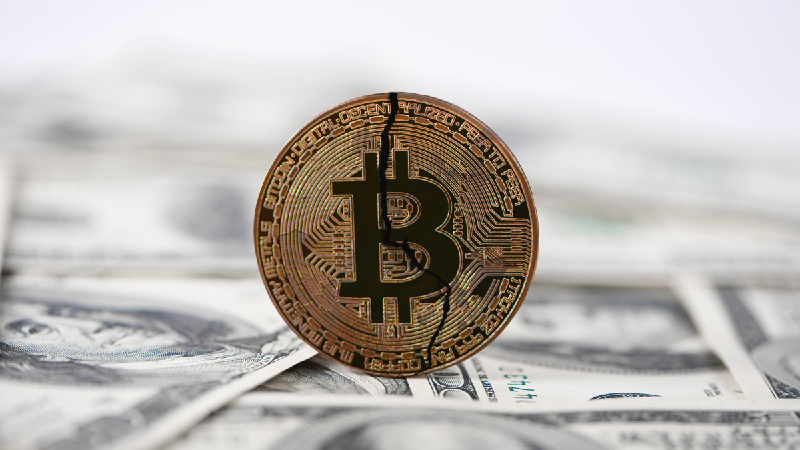
Bitcoin experienced sharp intraday volatility that wiped out more than 400 million dollars in leveraged positions, as traders reacted to rapidly changing geopolitical developments tied to tensions between the United States and Iran. The market swung aggressively within hours, catching both bullish and bearish positions off guard. The sudden price movements highlight how sensitive crypto markets have become to global political signals, especially in a derivatives driven environment where leverage amplifies both gains and losses.
The price of bitcoin surged from around 67500 dollars to above 71200 dollars after reports suggested a temporary pause in potential military action. The rally was short lived, as conflicting statements quickly reversed sentiment and pushed prices back toward the 70000 dollar range. This rapid shift triggered a cascade of liquidations across major crypto assets, with bitcoin and ether leading the losses. The total scale of liquidations reflects how heavily positioned traders were ahead of the news.
Data shows that a significant portion of the liquidations came from short positions, indicating that many traders had expected continued downside or escalation in geopolitical risk. When the initial positive headline hit the market, those positions were forced to close, driving prices higher in a short squeeze. However, the reversal that followed caught long positions as well, creating a double sided liquidation event that intensified overall market instability.
The event also underscores the growing role of derivatives markets in shaping crypto price action. Instruments such as perpetual futures and leveraged contracts allow traders to amplify exposure, but they also increase vulnerability to sudden price swings. Even relatively modest price movements can trigger large scale liquidations when leverage is high, turning market reactions into accelerated feedback loops that drive further volatility.
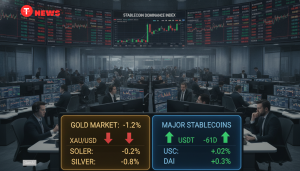
Beyond bitcoin and ether, the impact extended to tokenized commodities, including oil and precious metals traded on blockchain based platforms. These instruments saw notable losses as well, reflecting how interconnected digital asset markets have become with broader macroeconomic themes. The involvement of tokenized oil contracts in the liquidation data highlights the increasing overlap between traditional commodities and crypto based trading infrastructure.
Geopolitical uncertainty continues to play a central role in shaping market sentiment, with traders closely monitoring developments that could influence global energy prices, inflation expectations and risk appetite. The rapid reaction to conflicting headlines demonstrates how quickly markets can shift direction when information changes, especially in an environment where news spreads instantly across digital platforms.
As volatility remains elevated, market participants are likely to reassess risk management strategies, particularly around leverage and exposure during periods of heightened uncertainty. The recent liquidation event serves as a reminder of how quickly positions can be unwound when sentiment shifts, reinforcing the need for caution in fast moving and highly reactive trading conditions.