Bolivia explores USDT integration for payments
Bolivia is reportedly considering USDT integration for everyday payments as access to physical dollars and bank dollar transfers tightens, according to available reports. As described by outlets covering these discussions, central bank and government talks have focused on using a dollar-linked stablecoin as payment plumbing rather than a full currency replacement. Supporters of the idea indicate the aim would be to keep trade settlement and retail commerce functioning when suppliers and households struggle to source dollars. Policymakers are also said to be assessing how such a rollout could work alongside existing bank rails and QR acceptance, while maintaining reporting, tax, and anti-fraud controls. The debate, as summarized in local coverage, centers on settlement speed, usability for small merchants, and the ability to convert in and out at predictable spreads during periods of high demand.
Policy context behind the stablecoin debate
The policy debate is unfolding amid a broader regional search for alternatives when dollar liquidity is constrained, according to regional market commentary. For background on Bolivia’s reporting and the scope of the discussions around USDT integration, see Bolivia Weighs USDT Stablecoin Adoption for Payments. A key open question is whether authorities would permit regulated custodians and payment providers to offer stablecoin wallets, and what reserve, audit, and disclosure standards would apply to support consumer confidence. Comparisons to other jurisdictions suggest that licensing and transaction monitoring can reduce illicit finance risks without prohibiting crypto rails outright, though outcomes depend on enforcement design. Related compliance dynamics are discussed in USD Stablecoin Launch Navigates New Regulatory Challenges, which outlines how rollout details can be shaped by supervision requirements.
Benefits and risks of stablecoin payments
Supporters argue that stablecoin payments could shorten settlement times for importers, reduce counterparty risk for small traders, and provide access to dollar-denominated value without opening new correspondent banking lines. These concerns are frequently raised because market stress can widen conversion spreads and weaken confidence, a theme covered in Stablecoin Market Faces Redemptions and Potential Liquidity Changes. However, day-to-day usability depends on clear rules for custody, redemption, and dispute resolution, plus liquidity when demand spikes. Critics also point to operational risks such as wallet security, scams, and limited chargeback-style protections compared with card networks. Authorities would likely need controls that prevent stablecoin rails from bypassing tax reporting and AML requirements at on- and off-ramps.
How stablecoin settlement compares with bank rails
In practical terms, stablecoin settlement differs from cards and bank transfers because finality is achieved on-chain, while consumer protections are primarily provided by policy and platform terms rather than automatic chargebacks. Local reporting on the initiative is summarized in Bolivia Considers Integrating Tether USDT into Payment Systems, which says discussions center on payment infrastructure rather than speculation. That distinction matters for retail payments where disputes are common. Merchants may also face pricing complexity if they reference crypto market pairs such as btc price usdt, eth usdt price, and sol usdt price when setting margins on imported goods or digital services. The comparison ultimately comes down to fees, settlement speed, and enforceable consumer recourse, according to payments industry commentary.
What comes next for Bolivia and Latin America
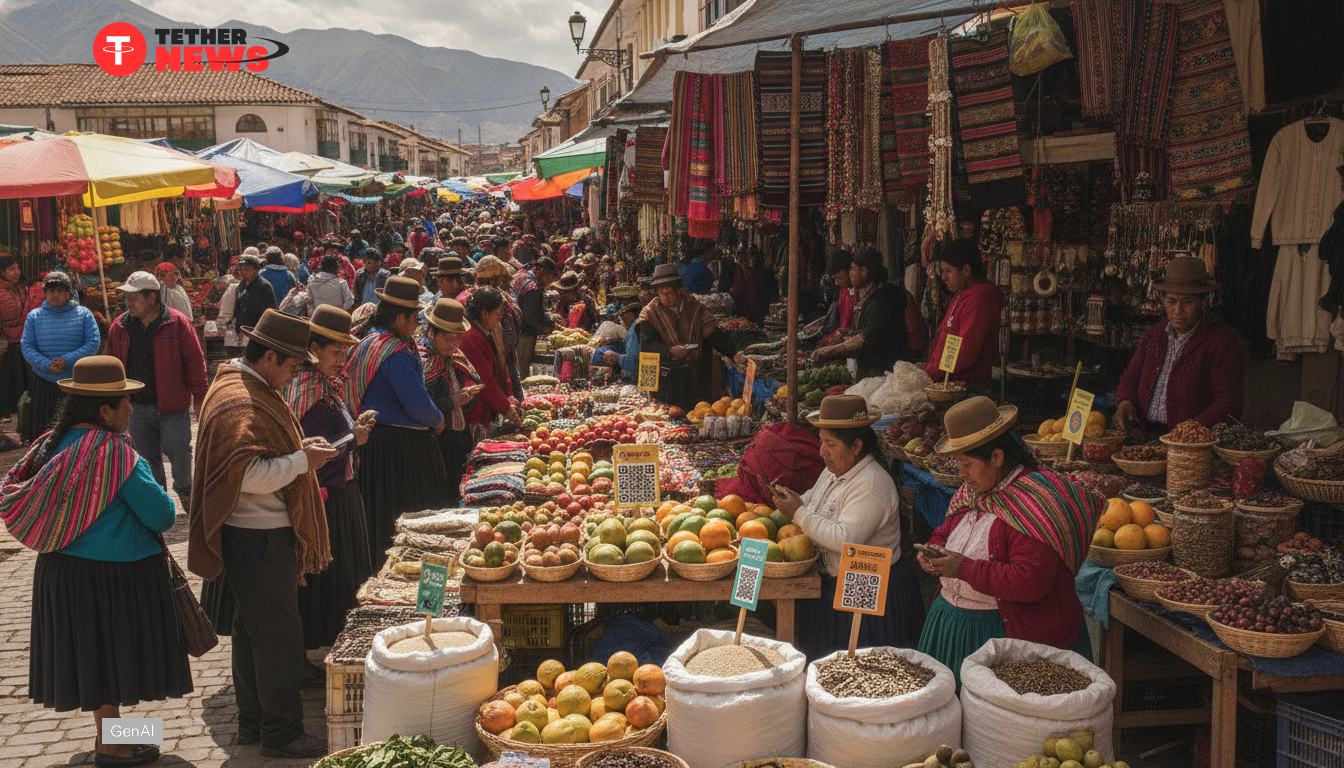
Next steps for Bolivia, if officials proceed, would likely include defining who can provide wallets, how merchants account for stablecoin receipts, and how compliance checks apply at entry and exit points. The International Monetary Fund has publicly warned that dollar stablecoins can amplify currency substitution pressures while also offering efficiency gains in cross-border payments when properly supervised, including in its commentary referenced by IMF advises that dollar stablecoins may boost FX access but also carry risks. Any formal pathway would also be watched by banks and regulators in neighboring markets that share remittance corridors and merchant supply chains, according to regional payments analysts. In La Paz and Santa Cruz de la Sierra, where QR-based retail payments are already common, rollout questions would likely include merchant onboarding and reconciliation practices. For Bolivia, credibility would likely hinge on measurable rules, reliable liquidity, and clear consumer protections.