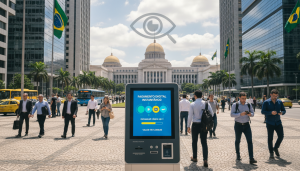
Brazil’s New Stance on Crypto Payments
Regulated payment institutions in Brazil are now being told to keep crypto out of official settlement channels for international transfers. The move shifts compliance expectations for banks and licensed payment firms that previously experimented with token-based legs in their operations. In guidance summarized by Reuters, the Brazil central bank signaled that crypto assets cannot be used to settle obligations inside regulated cross-border payment rails, even when the underlying customer transaction is permitted. Today, compliance teams are treating the clarification as immediate, because it affects how transactions are routed and documented. The policy also reframes how firms must separate on-chain activity from regulated messaging, clearing, and settlement functions. Live operational changes are already being drafted across treasury, risk, and audit teams.
Implications for Cross-Border Transactions
For multinational merchants and remittance providers, the practical impact is a narrower set of rails that can touch tokens while still remaining inside Brazil’s regulated perimeter. The cross-border payment workflow will likely require more explicit fiat conversion points, with additional checks around counterparty licensing and transaction monitoring. An Update circulated by industry counsel cited in Valor Economico said firms should prepare for deeper documentation of settlement assets and intermediaries. In parallel, dollar liquidity and global funding conditions still matter for pricing, as discussed in Dollar Dominance in 2025: Reserves, Trade, Policy, and the rule does not ban crypto trading, but it changes where regulated settlement can occur. Live market context also remains relevant for hedging, and CoinDesk noted risk sentiment in Bitcoin bounces as big tech earnings fuel optimism as compliance teams map new routing constraints.
Impact on Global Crypto Regulations
Brazil’s decision adds weight to a global pattern where supervisors allow crypto exposure but restrict its use as a settlement asset inside regulated rails. Policymakers in other regions are watching because the line between permitted activity and permitted settlement is becoming sharper. In the European Union, eu crypto regulation under MiCA draws distinctions between crypto asset services and traditional payment services, which helps explain why some supervisors focus on settlement finality and consumer redress. Today, the Brazil central bank approach is being read as a template for ringfencing regulated payment infrastructure from token volatility and operational risk. The immediate effect is less about headlines and more about how internal control frameworks are written and tested. Live compliance reviews are likely to expand to cover vendor arrangements, wallets, and outsourced settlement steps.
Potential Industry Reactions and Responses
Payment firms are expected to respond by redesigning product flows so that any token leg occurs outside regulated settlement, or by partnering with entities that can legally intermediate conversion before funds enter formal rails. Lawyers briefing clients have emphasized crypto oversight themes such as audit trails, governance, and segregation of duties, with an Update focus on proving where settlement actually happens. The crypto industry is also trying to show controls around stablecoin risk, including sanctions screening and freeze capabilities, which have been covered in Tether Freezes $180M as Crime Flows Shift to Coins, as firms anticipate more scrutiny of operational processes. Today, the commercial consequence may be higher operational cost for compliant providers, not an immediate collapse in demand. Live customer experience could still remain fast if firms automate conversion and reconciliation while keeping regulated clearing strictly fiat-based.
Future of Digital Assets in Brazil’s Economy
Even with stricter boundaries on settlement, Brazil is not stepping away from monitoring and licensing activity around digital assets. The regulatory message is that innovation has to fit inside clearly defined rails, with settlement finality and dispute handling staying within supervised systems. Analysts at CoinDesk, in a separate markets brief, highlighted how investor narratives can shift quickly in Bitcoin takes another aim at $80,000 as stocks rise, reinforcing why supervisors dislike settlement exposure to volatile tokens. An Update for local fintechs is to treat token use as an add-on service rather than the core settlement mechanism. Today, the likely path is more tokenization experiments in sandboxes and less tolerance for crypto settlement inside regulated cross-border payment systems while licensing and enforcement mature. Live regulatory engagement will determine how quickly compliant models reappear.