
Indices
Exchange stablecoin balances have become a critical data point for understanding crypto market behavior, especially as global interest rates remain elevated in 2026. Unlike price

Exchange stablecoin balances have become a critical data point for understanding crypto market behavior, especially as global interest rates remain elevated in 2026. Unlike price
Crypto markets have matured beyond simple price tracking, and participants now rely on structural indicators to understand liquidity conditions. One of the most closely observed
Stablecoins have become the primary liquidity layer of crypto markets, but their circulation patterns differ significantly depending on currency denomination and venue type. US dollar
Stablecoin velocity has emerged as one of the most closely watched indicators in digital asset markets. Unlike price-based signals, velocity focuses on how frequently stablecoins

Stablecoins have moved from a niche crypto instrument to a core component of global digital markets. Their role now extends beyond trading convenience into liquidity
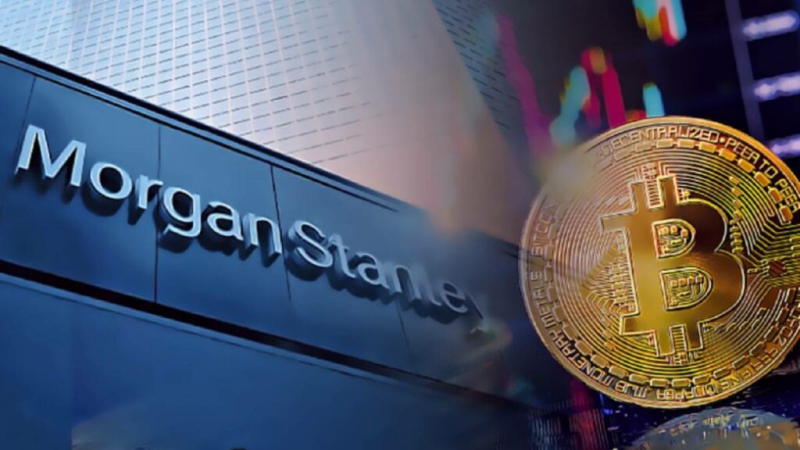
Morgan Stanley has moved to deepen its presence in digital assets by filing for new investment products tied directly to major cryptocurrencies. The Wall Street
Crypto markets pulled back during U.S. trading hours, reversing overnight gains as the pattern of intraday weakness resurfaced. Bitcoin retreated to just above the ninety
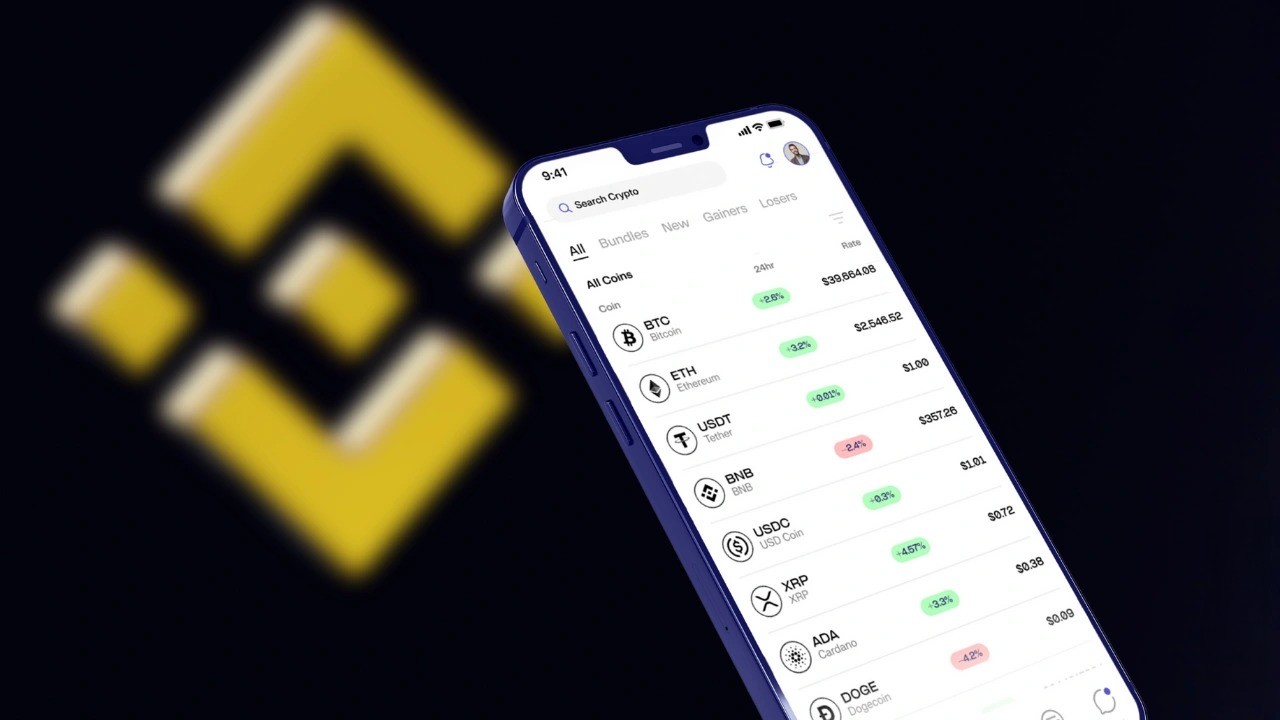
Bitcoin market positioning is drawing renewed attention as the balance between Bitcoin and stablecoins on major exchanges continues to shift. Recent onchain metrics show that
Stablecoins are often discussed as retail tools or trading conveniences, but their most consequential adoption is happening quietly within institutional workflows. By 2026, funds, proprietary
Stablecoin stability is often assumed rather than examined. Because these assets aim to hold a fixed value, attention tends to fade when prices remain close