
Indices
Trust has become the defining variable in stablecoin markets, and transparency now sits at the center of that trust. As stablecoins move closer to the

Trust has become the defining variable in stablecoin markets, and transparency now sits at the center of that trust. As stablecoins move closer to the

Global dollar movement has traditionally been shaped by correspondent banking, clearing systems, and regional liquidity hubs. In recent years, stablecoins have introduced an alternative path
Stablecoins have moved beyond their original role as passive settlement tools. In 2026, their movement across blockchains has become one of the clearest indicators of

Spot crypto markets have evolved rapidly, but one of the most meaningful changes has occurred behind the scenes. Settlement, once a friction point in digital
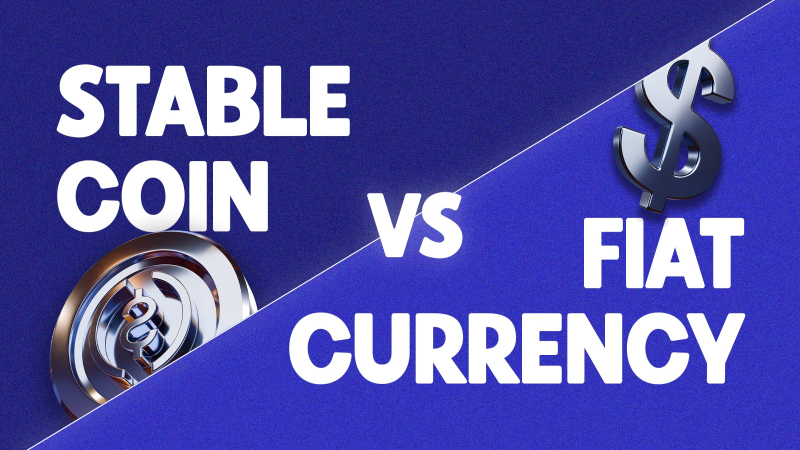
Stablecoins are often grouped together in market discussions, but their underlying structures differ significantly. By 2026, the distinction between fiat backed and crypto backed stablecoins

Stablecoins are often discussed in terms of supply and market capitalization, but those figures only explain where liquidity exists, not how it is used. In

Stablecoins have become the backbone of digital market liquidity, but the structure of that liquidity has changed significantly heading into 2026. While the number of

Stablecoins have quietly become one of the most important structural components of the crypto market. While price volatility often dominates headlines, the real signal for

Stablecoins were once viewed as instruments confined to crypto trading venues, largely disconnected from traditional financial markets. That assumption no longer holds. As stablecoins have
Yield has returned to the center of the stablecoin debate, but not in the way markets once expected. After years of zero or near zero