Indices
Comparisons between USDT and USDC have traditionally focused on circulating supply, regulatory posture, or issuer transparency. In 2025, those comparisons have shifted toward a more

Comparisons between USDT and USDC have traditionally focused on circulating supply, regulatory posture, or issuer transparency. In 2025, those comparisons have shifted toward a more

Aggregate stablecoin indexes have shown noticeably slower movement in late 2025 compared to earlier periods. For observers accustomed to rapid changes in issuance and market

Stablecoin circulation has continued to expand in recent years, but on chain activity has not always followed at the same pace. In 2025, this divergence

Tether’s presence across global crypto exchanges has long been cited as evidence of its importance, but the way that presence is measured has evolved. In

Market capitalization has long been the headline metric used to rank cryptocurrencies and stablecoins. For USDT, a large market cap often signals scale and adoption
Stablecoin dominance was once a straightforward calculation. Analysts compared circulating supply figures and ranked tokens based on how much had been issued. That approach made
The way USDT’s market share is evaluated has changed significantly in 2025. For years, market share was treated as a simple reflection of circulating supply,

A major corporate holder of ether has expanded its digital asset reserves after completing a large market purchase that pushed its total holdings past a

Hong Kong regulators are moving toward a revised capital framework that would formally differentiate how insurance companies measure risk exposure to crypto assets, introducing a
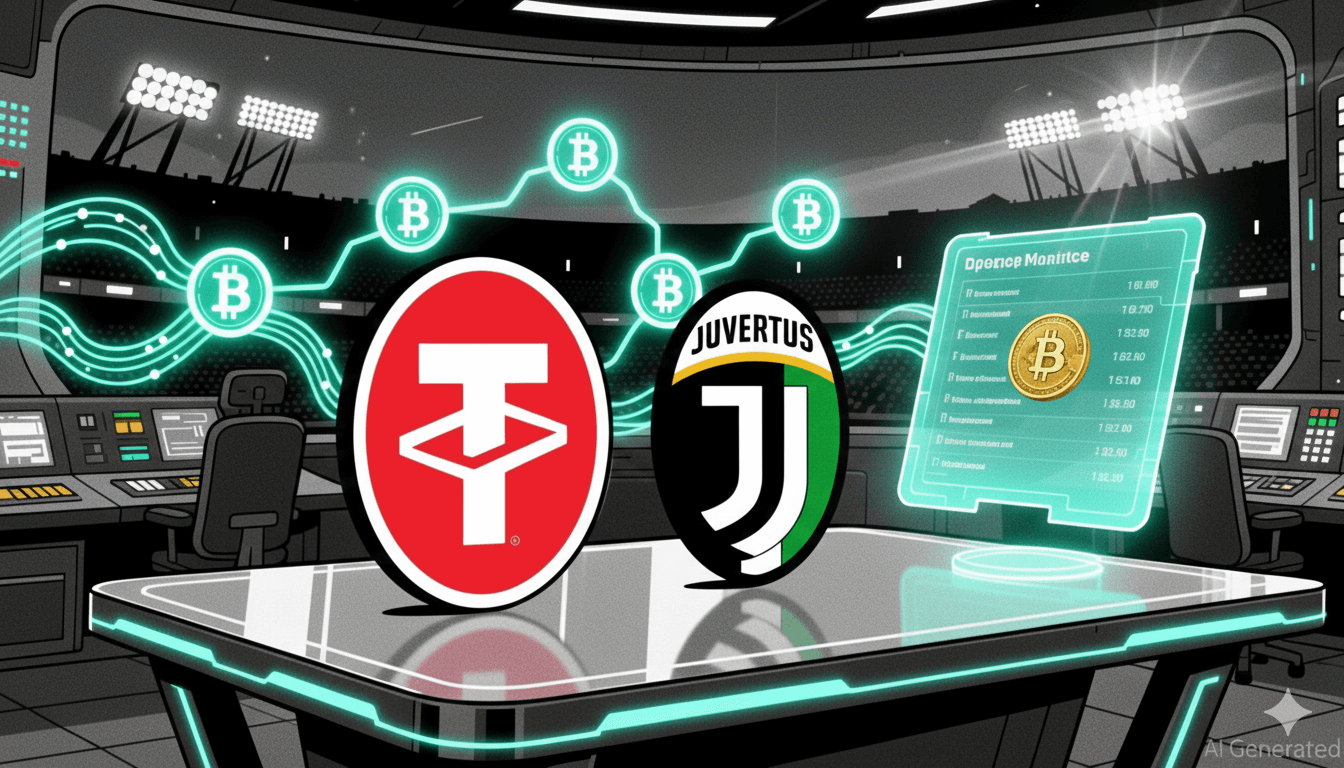
The Juventus Fan Token (JUV) fell over 13% following the rejection of a €1.1 billion takeover bid from stablecoin issuer Tether, even as the football