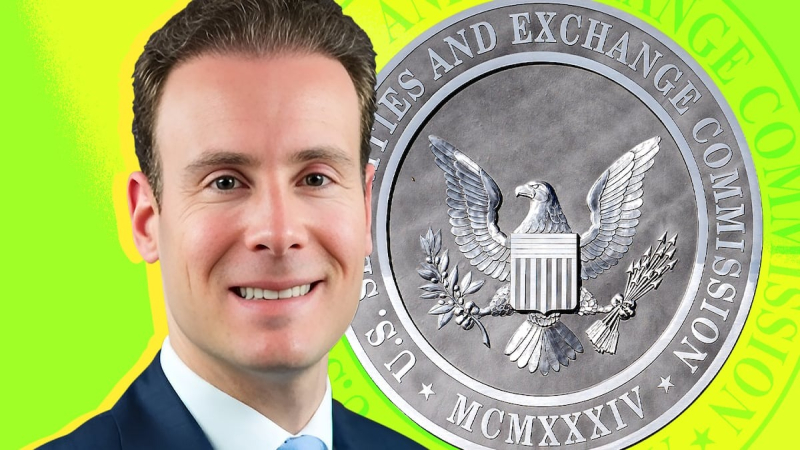
US Commodity Futures Trading Commission Chairman Mike Selig has escalated a jurisdictional dispute with several state governments by directing his agency to file a legal brief asserting federal authority over prediction markets. The move signals a renewed effort to clarify regulatory oversight in the fast growing event contract sector.
In a public statement, Selig warned that the CFTC would defend its role in court against states attempting to regulate platforms such as Polymarket and Kalshi under local gaming and sports betting laws. He emphasized that the CFTC has overseen these types of derivative markets for more than two decades and maintains exclusive jurisdiction under the Commodity Exchange Act.
Prediction markets allow users to trade contracts tied to the outcome of future events, ranging from economic data releases to political developments and weather patterns. While supporters argue that such platforms provide hedging tools and informational signals, several states including Nevada, Massachusetts, and New York have challenged certain contracts, particularly those resembling sports wagers.
A federal judge in Nevada ruled last year that state authorities had grounds to assert jurisdiction over certain event contracts, though that decision is currently under appeal. The ruling intensified debate over whether prediction markets fall squarely within federal derivatives law or overlap with state level gaming regulations.
The CFTC’s position marks a shift from earlier years when the agency itself pursued enforcement actions against some prediction market operators, arguing that specific political contracts were contrary to the public interest. Courts rejected elements of that stance, and recent leadership changes at the agency have led to a reassessment of its regulatory approach.
Selig has indicated that the commission is preparing a broader rulemaking process to modernize oversight of event contracts. He has said the new framework would aim to balance innovation with market integrity while adhering to congressional intent under existing commodities law.
The evolving regulatory environment coincides with increased institutional interest in prediction markets. Coinbase has sought entry into the sector and is currently contesting regulatory actions from several states that classify certain contracts as gaming activities. At the same time, political and media attention has grown following high profile advisory roles connected to major platforms.
Industry participants argue that clearer federal guidance is necessary to avoid fragmented oversight that could limit innovation or push activity offshore. State regulators counter that contracts closely tied to sports outcomes or similar events should fall under established gaming statutes designed to protect consumers.
As litigation proceeds, the outcome could reshape the balance of power between federal and state authorities in the oversight of digital event contracts. The dispute highlights broader tensions in US financial regulation, where emerging digital markets often challenge traditional jurisdictional boundaries.