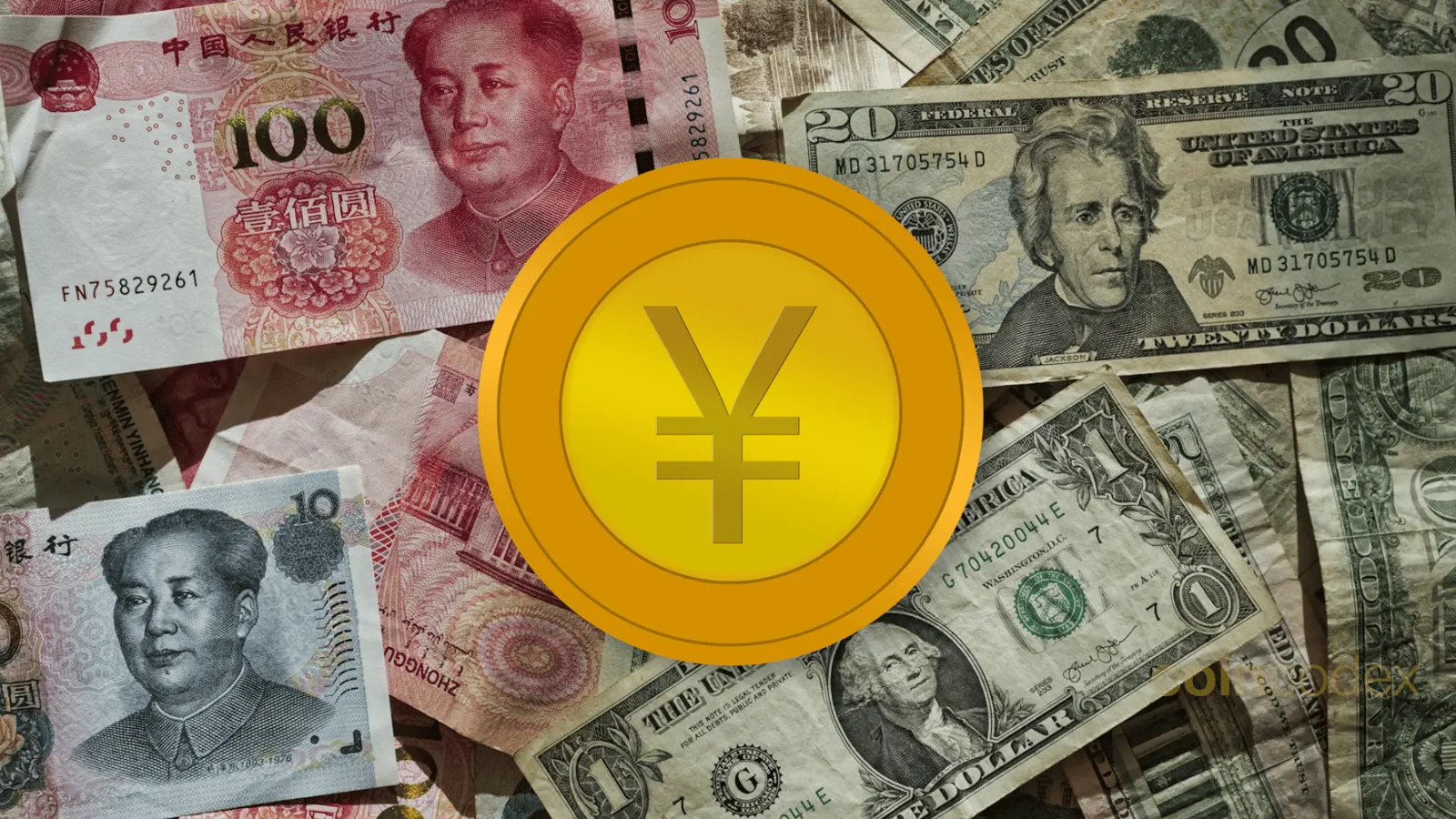
China’s Digital Yuan, officially known as the e-CNY, has become the world’s most advanced central bank digital currency (CBDC) initiative. While other nations are still in early research or pilot stages, China has already deployed its digital currency across more than two hundred cities, with integration into retail payments, e-commerce platforms, and cross-border trade pilots.
The scale and sophistication of the e-CNY project carry profound lessons for global stablecoin issuers such as Tether and Circle. As governments push for greater financial oversight, and as private issuers seek to preserve innovation and flexibility, the Digital Yuan demonstrates both the potential and challenges of large-scale digital monetary systems.
By examining China’s approach to regulation, infrastructure, and international strategy, stablecoin developers and policymakers can better understand how the next generation of digital assets may evolve under increasing global scrutiny.
China’s Digital Yuan: A Controlled Yet Scalable Model
China’s central bank began research on its digital currency as early as 2014, driven by goals of improving monetary efficiency, reducing cash dependence, and enhancing the state’s ability to monitor transactions. The e-CNY operates under a “two-tier system” where the People’s Bank of China (PBoC) issues the currency to commercial banks and licensed fintech firms, which then distribute it to the public.
Unlike decentralized stablecoins, the Digital Yuan is fully centralized and issued directly by a sovereign authority. Each e-CNY unit is a liability of the PBoC, ensuring absolute backing and redemption parity with traditional yuan. Transactions are processed through authorized intermediaries such as state banks and digital payment platforms including Alipay and WeChat Pay.
This structure enables real-time traceability and policy control. Authorities can adjust money supply, monitor capital flows, and implement programmable features such as time-limited stimulus or conditional spending. These capabilities align with China’s long-term goals of increasing financial transparency, combating illicit transactions, and enhancing monetary policy precision.
For stablecoin issuers, China’s system underscores the importance of maintaining credibility and liquidity while balancing privacy with regulatory oversight. Although Tether’s USDT and Circle’s USDC operate in open markets, their growing integration into institutional finance may soon require similar transparency and traceability mechanisms — albeit through decentralized or hybrid frameworks.
Domestic Adoption and Financial Infrastructure Integration
China’s Digital Yuan rollout reflects an unprecedented level of state-led coordination between regulators, banks, and technology providers. The currency has been integrated into major payment networks, government services, and transportation systems. As of mid-2025, over one billion dollars’ worth of e-CNY transactions occur monthly, with ongoing pilots in Hong Kong, Singapore, and the Belt and Road Initiative countries.
The PBoC has ensured that e-CNY wallets function both online and offline, expanding access to regions with limited internet infrastructure. This inclusive approach demonstrates how digital currencies can enhance financial accessibility without replacing commercial banking channels.
Private companies have also been enlisted as distribution partners, aligning fintech innovation with national policy. Through this hybrid structure, China has created a scalable system that combines state control with market efficiency a model that could influence how other countries design their digital currencies.
For stablecoin issuers, the integration of the Digital Yuan into mainstream payment systems highlights a critical lesson: adoption depends not only on technology but on ecosystem alignment. Partnerships with financial institutions, fintech providers, and regulators are essential for establishing trust and usability.
Global Strategy: Exporting the Digital Yuan Framework
China’s ambitions for the Digital Yuan extend beyond domestic use. Through the mBridge project a joint initiative involving the central banks of China, Hong Kong, Thailand, and the United Arab Emirates , the e-CNY is being tested for cross-border settlement and trade financing. The project demonstrates how central bank digital currencies can streamline international transactions, reduce costs, and bypass intermediaries such as SWIFT.
This strategy also signals China’s intent to internationalize the yuan in digital form. By embedding the e-CNY into Belt and Road financial infrastructures, China can offer trade partners an alternative to dollar-based settlement systems. While this does not threaten the U.S. dollar’s dominance in the short term, it introduces a multipolar structure for global payments where multiple digital currencies coexist under sovereign control.
For stablecoin issuers like Tether and Circle, this geopolitical development reinforces the need for regulatory cooperation and interoperability. As governments pursue CBDC interoperability projects, private stablecoins must ensure compatibility with emerging standards while maintaining independence. The ability to integrate with CBDCs through transparent, regulated frameworks will likely determine which stablecoins thrive in a post-CBDC world.
Regulatory Parallels and the Future of Stablecoin Governance
The Digital Yuan’s success also reflects the advantages of clear regulatory oversight. Every participant in China’s CBDC ecosystem operates under well-defined obligations for data security, transaction monitoring, and reserve management. While private stablecoins operate differently, the global push for compliance is narrowing the gap between state-issued and privately issued digital currencies.
In the European Union, MiCA has already introduced rigorous rules for stablecoin issuers, requiring full reserve backing, audit disclosures, and licensing. The United States is drafting its own Stablecoin Oversight Act, which would bring issuers under federal supervision. These frameworks, though less centralized than China’s, reflect a shared objective: stability, transparency, and consumer protection.
Stablecoin issuers can learn from China’s clarity in defining roles and accountability. Establishing formal relationships with regulators, publishing transparent reserve attestations, and building automated proof-of-reserve systems are steps that can enhance institutional confidence. As financial systems digitize, trust will depend as much on compliance architecture as on technical innovation.
Conclusion
China’s Digital Yuan offers a preview of how digital currencies will integrate into global finance state-backed, programmable, and interoperable across borders. For stablecoin issuers, it represents both a challenge and an opportunity.The challenge lies in adapting to a regulatory environment where transparency and oversight are non-negotiable. The opportunity lies in leveraging blockchain’s open infrastructure to complement, not compete with, sovereign digital currencies. Stablecoins like USDT and USDC can play vital roles in cross-border liquidity, DeFi innovation, and tokenized asset settlement provided they align with the evolving global standards inspired by projects such as the Digital Yuan.