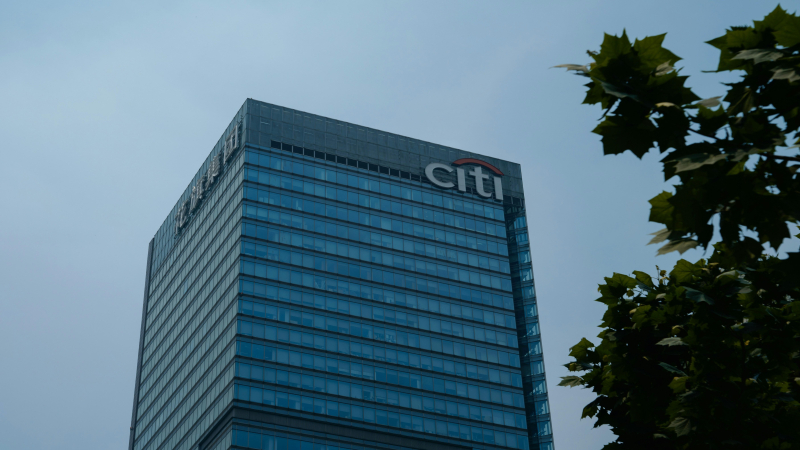
Major Wall Street institutions are accelerating their integration of bitcoin and digital assets into traditional financial infrastructure, signaling a new phase of institutional adoption. Citigroup and Morgan Stanley are expanding custody, trading and tokenization initiatives as client demand for regulated crypto exposure continues to grow.
Citigroup plans to launch institutional bitcoin custody later this year, embedding the asset into the same custody, reporting and tax frameworks used for equities, bonds and cash. The initiative is designed to allow clients to manage bitcoin within a unified safekeeping structure rather than relying on standalone crypto platforms.
According to Citi executives, the goal is to make bitcoin function seamlessly within existing banking systems. Clients will be able to instruct transactions through established channels such as SWIFT, application programming interfaces and standard banking interfaces. The bank will manage clearing, settlement and key management infrastructure internally, delivering consolidated reporting across asset classes.
A key component of Citi’s strategy is cross margining. By placing bitcoin, US Treasuries, foreign bonds and tokenized money market funds under a single master custody account, institutional clients may be able to use digital assets alongside traditional securities for collateral and risk management purposes. This integrated structure aims to reduce operational complexity while improving capital efficiency.
Citi has also been developing blockchain based cash infrastructure to support 24 hour markets. Its Citi Token Services platform enables round the clock internal transfers across its global network. As bitcoin and other digital assets trade continuously, banks are adapting core systems to operate beyond traditional market hours.
Morgan Stanley is pursuing a parallel expansion. The bank has filed for exchange traded products linked to bitcoin, Ethereum and Solana, while also preparing to roll out spot crypto trading through its E Trade platform. In addition, it is exploring crypto linked lending and yield opportunities tailored to wealth management clients.
With approximately 8 trillion dollars in assets under management, Morgan Stanley’s move reflects growing interest from mainstream investors who prefer accessing digital assets through established financial institutions. The bank is also evaluating wallet infrastructure and internal technology development to avoid reliance on third party providers.
The broader financial sector is adapting to the shift toward blockchain based settlement and 24 hour trading. The New York Stock Exchange has announced plans for a blockchain powered venue to support around the clock trading of tokenized equities and exchange traded funds. Nasdaq has similarly outlined initiatives to extend trading hours to align with increasingly global and digital markets.
As institutional infrastructure evolves, traditional banks are positioning themselves not only as custodians of digital assets but as central intermediaries in a tokenized financial system. The integration of bitcoin into bank grade custody frameworks represents a structural step toward blending conventional finance with blockchain based markets operating without closing bells.