How proposed stablecoin rules could affect USDT
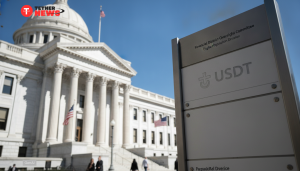
The clarity act stablecoin regulation is emerging as a key test for whether USDT can be distributed and managed through U.S. regulated intermediaries. While USDT is used globally, some platforms and compliance teams have indicated a cautious approach to U.S. on-ramps amid evolving expectations. Media coverage often frames the risk as tighter intermediary controls and documentation requirements rather than a complete ban. As noted, according to available reports, U.S. users might face restrictions depending on whether broker-dealers, fintech platforms, and custodians limit listings, transfers, or redemptions.
Disclosure, reserves, and oversight: what policymakers emphasize
In public statements and draft-policy discussions, U.S. policymakers emphasize disclosures, reserve quality, and supervisory access as key factors that could determine major stablecoins’ distribution by regulated entities. A separate market concern is whether stablecoin growth might pull activity from bank deposits, a dynamic discussed in Stablecoin Growth Puts Bank Deposit Funding at Risk. As Coindesk highlights, the compliance burden can significantly affect broker-dealers and fintech platforms.
Distribution limits and market-access risks for Tether
If U.S. restrictions target distribution channels rather than the token itself, immediate pressure could land on liquidity access, custody policies, and whether U.S.-facing firms continue supporting deposits and withdrawals. Industry observers track wallet proliferation as a usage proxy. TetherNews reports scale in Tether USDT tops 534M wallets after Q2 2026 surge, indicating potential market concentration effects even with limited U.S. curbs.
Global rules compared with a U.S. enforcement posture
Outside the United States, regulators are increasingly focusing on reserve transparency and marketing constraints, though enforcement can vary by jurisdiction. For a comparative analysis, Stablecoin comparison: USDT vs USDC practical guide serves as a reference. The European Union’s MiCA may shape cross-border order flow and compliance expectations. As CoinDesk notes, governance changes can influence compliance narratives, as seen in their analysis of Cardano’s Van Rossum hard fork.
Compliance strategies to preserve U.S. access
For Tether and intermediaries using USDT, demonstrating that reserve management, disclosures, and controls meet high standards is crucial. This might involve formalizing redemption processes, sanctions screening, and third-party attestation communication. Firms unable to show robust controls may face de-listing, highlighting the need for consistent risk management practices.