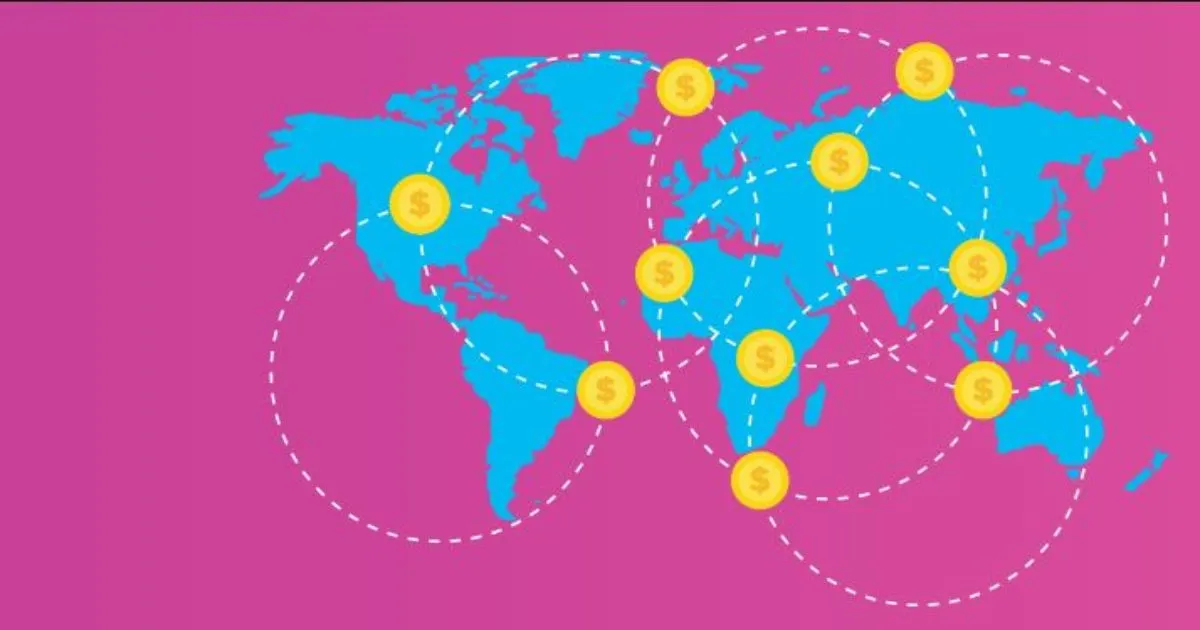
Cross border remittance networks are experiencing accelerated growth as USDT becomes a preferred digital asset for fast, low-cost international transfers. Individuals, businesses, and fintech platforms are increasingly choosing USDT to move value across borders without relying on slow or expensive traditional banking systems. The demand for reliable, stable, and accessible digital settlement methods has pushed USDT into a central role within global remittance corridors.
This shift reflects broader changes in how money is sent internationally. Remittance users are prioritizing speed, predictable fees, and easier access to digital tools. As global migration increases and remote work expands into multiple regions, demand for efficient cross-border transfers continues to rise. USDT provides a stable medium of exchange that helps users bypass currency fluctuations while benefiting from blockchain-based settlement.
USDT adoption grows as remittance providers optimize efficiency
The most influential driver of expanding USDT use in cross-border networks is the push for greater efficiency in international money transfers. Traditional remittance channels often involve high fees, long processing times, and multiple intermediaries. USDT offers a faster and more predictable alternative, enabling transfers that settle within minutes while maintaining stable value throughout the process.
Fintech platforms and remittance companies are integrating USDT to offer customers improved service quality, especially in regions with limited access to reliable banking infrastructure. These integrations reduce dependency on legacy systems and simplify the transfer lifecycle from sender to recipient. As more providers adopt crypto-enabled transfer routes, USDT becomes increasingly embedded within global remittance infrastructure.
Emerging markets benefit from lower fees and improved access
Many emerging markets are adopting USDT as a practical solution for receiving cross-border payments. High remittance fees and unstable local currencies have long challenged recipients who depend on international income. USDT addresses these issues by providing predictable pricing, simple conversion options, and easier access through digital wallets.
Local fintech platforms and crypto service providers are expanding on-ramps and off-ramps to support seamless USDT conversions. Users can receive stable digital assets and convert them to local currency when needed, preserving value during economic volatility. For many households and small businesses, this reliability improves financial security and enhances the overall remittance experience.
Businesses use USDT for global supplier and salary payments
Beyond individual users, businesses are increasingly turning to USDT for international payment operations. Companies with remote teams or global supplier networks benefit from faster processing and reduced costs compared to traditional business-to-business settlement channels. Stable digital assets make it easier to manage international payroll, supplier invoices, and cross-border service contracts.
USDT’s global liquidity allows companies to transact without navigating complicated banking restrictions or foreign exchange delays. This predictability helps organizations maintain better cash flow visibility and reduces administrative overhead. As international commerce continues shifting toward digital systems, USDT offers a practical tool for streamlining multi-country financial operations.
Multi-chain expansion enhances remittance flexibility
USDT’s expansion across multiple blockchain networks supports greater flexibility for remittance providers and users. Different chains offer unique advantages such as lower fees, faster throughput, or broad ecosystem support. This multi-chain approach ensures that USDT can operate effectively in diverse regions with varying technological requirements and infrastructure maturity.
Networks with lower transaction costs make remittances even more affordable for everyday users. High-speed chains ensure that transfers settle quickly, supporting real-time payment solutions. As more blockchains integrate USDT, remittance networks gain additional routes to deliver efficient, accessible, and stable cross-border transfer services.
Conclusion
Cross border remittance networks are expanding USDT adoption as users seek faster, cheaper, and more accessible international payment options. With growing integration, multi-chain support, and broader use among individuals and businesses, USDT is becoming a central tool in modern global remittance systems.