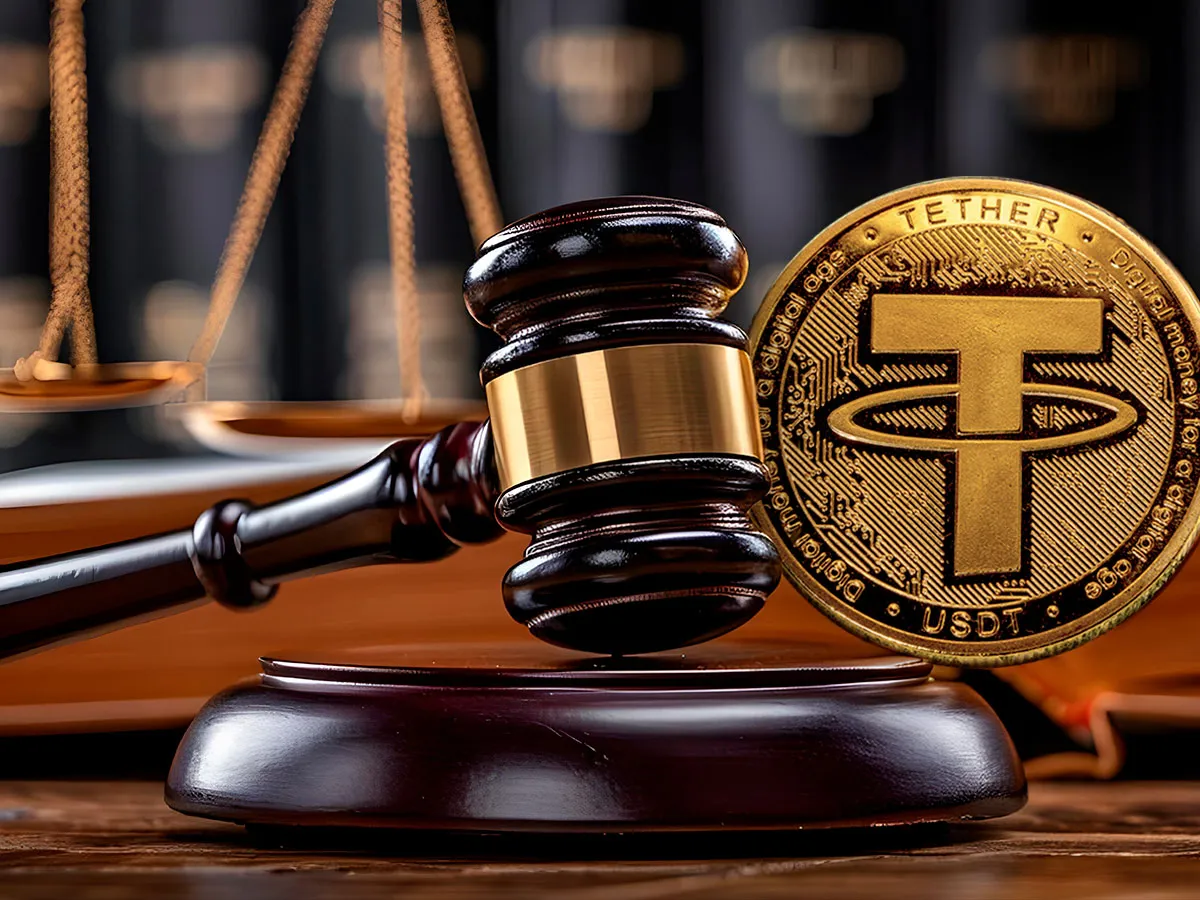
Can U.S. regulators enforce rules on a company headquartered outside their reach?
Tether and Its Offshore Structure
Tether Limited is incorporated in offshore jurisdictions, operating outside the direct oversight of the United States Securities and Exchange Commission. This structure is intentional. By avoiding incorporation in the U.S., Tether has created legal and regulatory buffers that make it harder for U.S. regulators to impose direct rules.
Yet the SEC has not remained silent. As stablecoins have grown in influence, the agency has questioned whether issuers like Tether function in ways that resemble unregistered securities or money market funds. The jurisdictional question now sits at the center of an international debate.
The SEC’s Legal Mandate
The SEC regulates securities markets and ensures investor protection within the United States. It enforces registration requirements, disclosure rules, and standards that apply to financial products marketed to U.S. citizens. Stablecoins like USDT present a unique challenge. They are issued offshore, but they circulate freely in markets where U.S. investors participate.
This blurs the line between domestic and international oversight. Can the SEC argue that U.S. investors using USDT on American exchanges gives it jurisdiction, even if Tether itself is not based in the country? So far, the agency has pursued indirect approaches, such as targeting exchanges and platforms that list stablecoins.
Past Cases and Precedents
There are relevant precedents. The SEC has previously enforced actions against offshore companies when their products directly targeted U.S. investors. Examples include foreign securities offerings marketed in the United States without proper registration. These cases suggest that geography alone does not prevent the SEC from acting.
However, stablecoins add complexity. Tether’s tokens move peer-to-peer and are often traded outside the reach of formal institutions. Unlike traditional securities, USDT is not marketed in the same way. It is embedded in trading systems that span dozens of jurisdictions simultaneously.
Why Tether’s Structure Matters
Tether’s offshore design shields it from direct compliance obligations such as U.S. auditing standards or securities registration. This provides flexibility for operations but creates challenges for regulators. While the SEC can pressure U.S. exchanges to delist or restrict stablecoins, it cannot easily compel Tether Limited itself to follow its rules.
For researchers and policymakers, this raises a significant concern. An asset that plays such a large role in global liquidity may remain outside the reach of traditional oversight. This gap could undermine regulatory efforts to ensure market stability.
The Tools Available to U.S. Regulators
Even without direct jurisdiction, U.S. regulators have options. The SEC can coordinate with other agencies such as the Treasury Department and the Commodity Futures Trading Commission. Together, these bodies can target points of access such as banking relationships, payment processors, and exchanges that interact with Tether.
Another option is coordination with foreign regulators. If Europe under MiCA or Asian jurisdictions impose stricter standards, the U.S. could leverage these frameworks to extend its influence indirectly. This type of global cooperation has precedent in anti-money laundering and sanctions enforcement.
Supporters’ Argument
Supporters of Tether argue that its offshore model proves the resilience of decentralized finance. They contend that regulators should focus on creating clear rules for domestic stablecoin issuers rather than attempting to police foreign companies. In their view, Tether provides valuable liquidity and financial access, especially in regions where traditional banking is unreliable.
They also argue that users are fully aware of the risks and choose USDT because of its utility, not because it is endorsed by regulators. For these supporters, the SEC’s lack of jurisdiction is not a flaw but a feature that allows markets to innovate without constant interference.
Skeptics’ Perspective
Skeptics warn that Tether’s offshore location is a vulnerability for the global financial system. They point out that U.S. regulators have limited visibility into reserves, governance, and risk management practices. If confidence in Tether collapsed, the consequences would spill over into U.S. markets, regardless of where the company is registered.
They argue that offshore structures should not exempt issuers from scrutiny when their products have global consequences. The lack of jurisdiction may delay oversight but cannot eliminate the risks.
Looking Ahead
The debate over jurisdiction will not disappear soon. As stablecoins become more integrated into global finance, regulators will continue to test the limits of their authority. The SEC may pursue more aggressive action against U.S.-based exchanges and intermediaries, forcing them to adapt even if Tether itself remains offshore.
At the same time, international cooperation is likely to grow. Stablecoins illustrate how financial innovation does not respect borders, and oversight mechanisms will have to evolve accordingly. For Tether, the challenge is clear: it may operate offshore, but it cannot remain outside the conversation.