Germany’s Current Crypto Tax Framework
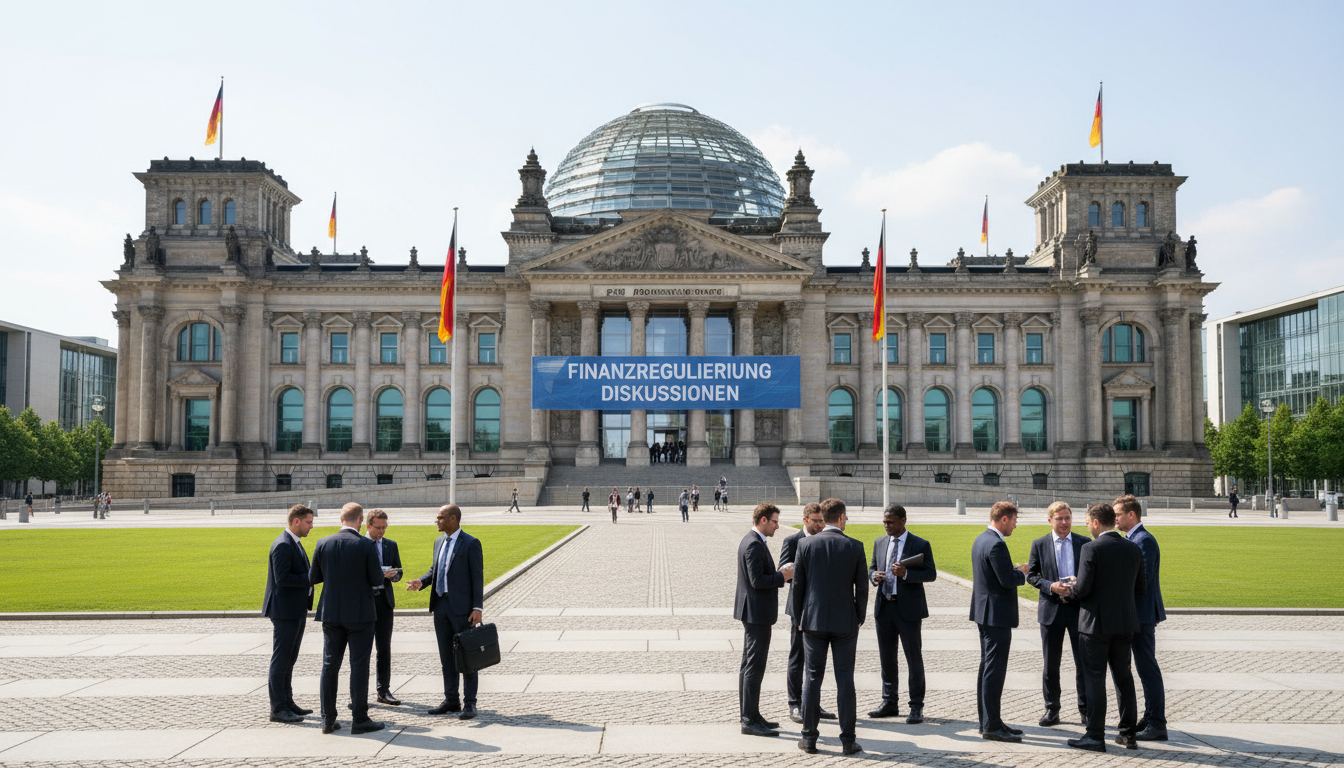
Germany’s crypto tax treatment still hinges on how private sales are classified under income tax practice, and the operational details matter Today for traders who rebalance frequently. Under guidance summarized by the Federal Ministry of Finance in its 10 May 2022 letter, gains from selling crypto held longer than one year are generally treated as tax free, while shorter holding periods can create taxable private sale gains. Live market volatility makes that timing rule central to portfolio decisions, and the same guidance frames staking and lending rewards as taxable income when received. A rolling Update from lawmakers has pushed the debate from niche accounting into mainstream financial policy, with exchanges, tax advisers, and retail investors watching closely.
Proposed Changes to the One-Year Holding Rule
Berlin’s current discussion is no longer theoretical, and Today the one-year threshold is the focal point as parties assess a crypto tax overhaul that could take effect by 2027. The governing coalition has not published a final bill, but the policy conversation centers on whether the existing holding rule is still defensible once crypto is treated more like other capital assets. A broader payments narrative has built around stablecoins, and CoinDesk coverage on banks exploring stablecoins has helped explain why tax authorities want clearer rails, while market participants tracking Live compliance trends are also reading cross border signals, including how large platforms structure reporting and withholding. An Update from parliamentary committees is expected to clarify timelines, but the direction points to tighter treatment.
Implications for Crypto Investors
For investors, the practical issue is how a shorter exemption window or a different taxable base would change after tax returns, and Today many are stress testing scenarios in Germany as legal advisers parse drafts and speeches. Live tracking of transaction history will also become more important, because cost basis documentation can be challenged during audits when wallets and exchanges are mixed, and the public debate is also shaping stablecoin use as Bitget Pay QR Scan feature for USDT payments is being cited by industry consultants as evidence that crypto is moving into everyday commerce. If the holding rule is weakened, portfolio turnover could become more expensive, and losses could matter more for offset planning depending on the final design. An Update to record keeping habits is already underway among retail users and CFOs.
Government’s Motivation Behind the Overhaul
The policy motive being discussed inside Germany is to align taxation with how crypto is actually used, not only as a long term store of value but also as collateral, payment, and settlement plumbing in crypto regulation debates. Finance officials have repeatedly stressed administrative clarity, and the Federal Ministry of Finance letter from 2022 is often cited by tax professionals as a stopgap that cannot cover every new product. Today regulators are also responding to the compliance burden created by high frequency activity, and Live supervision aims to reduce ambiguity about what is taxable and when, as Tether freezing USDT in a suspected fraud case illustrates why authorities want traceable records tied to taxable events. Industry risk events have added urgency, and a steady Update cycle is expected as ministries coordinate with states that run tax offices.
Global Context in Crypto Taxation
Germany’s debate is unfolding as other jurisdictions tighten reporting, and Today the international context is driving political cover for domestic changes rather than leaving Berlin isolated. The Organisation for Economic Co-operation and Development published its Crypto-Asset Reporting Framework in 2023, setting expectations for automatic exchange of information that many EU members are preparing to implement through domestic law, which is why a crypto tax overhaul would be framed as alignment with broader transparency rules rather than a standalone tax hike. Live coordination across borders reduces the appeal of lenient treatment that can be arbitraged by moving accounts, and it increases pressure to standardize definitions of taxable events. An Update from EU level negotiations on reporting rules will likely influence how German policymakers design thresholds, exemptions, and documentation standards.