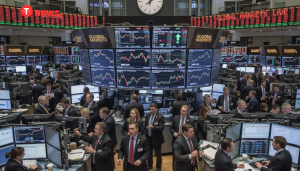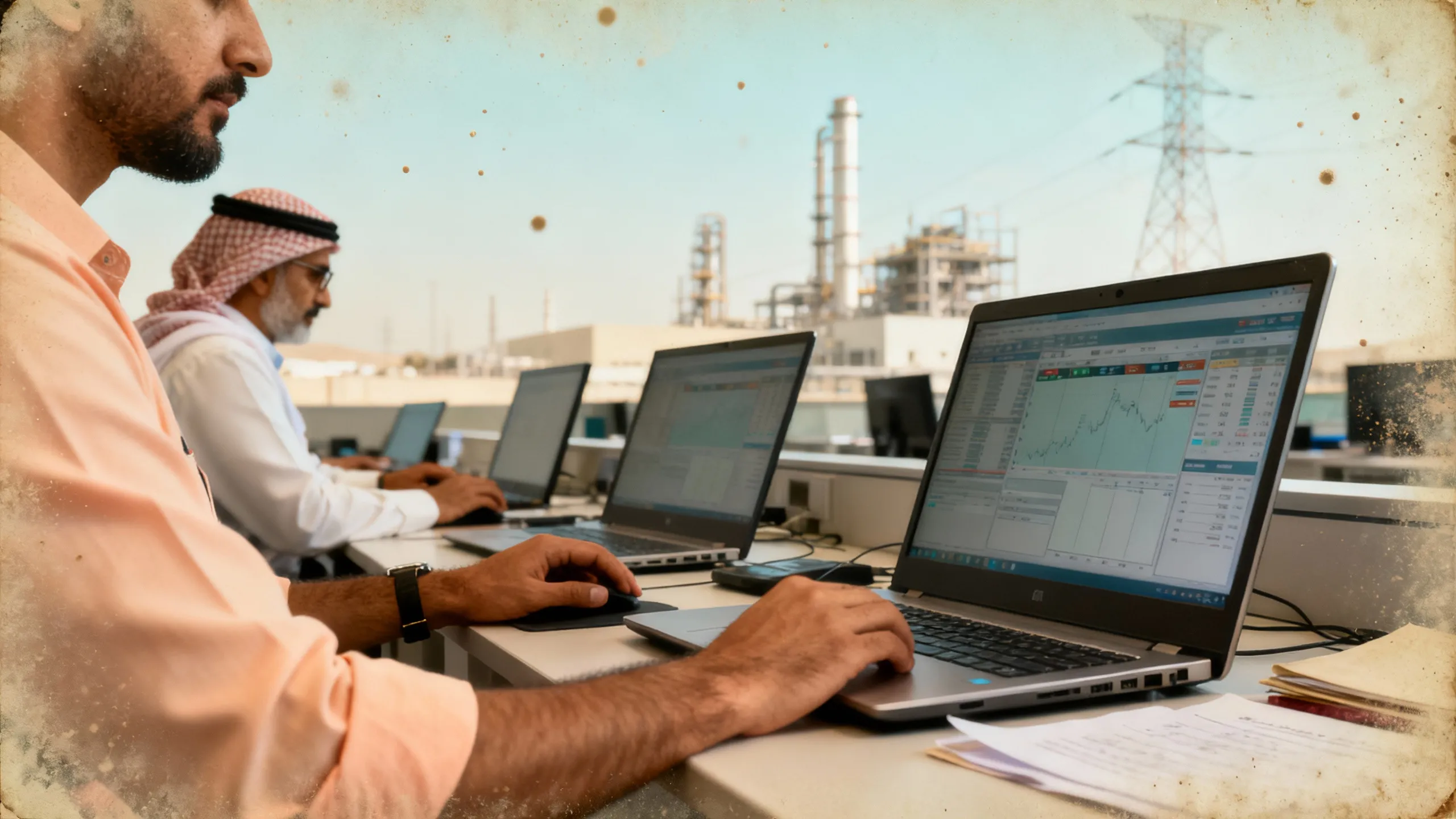
The global energy market is entering a new digital phase as Gulf countries begin using stablecoins such as USDT and RMBT for cross-border energy trade and settlement. This strategic shift marks the first major intersection of blockchain finance with the traditional energy economy, reshaping how crude oil, liquefied natural gas, and renewable energy contracts are priced and settled. The integration of digital assets into energy trade not only reduces transaction friction but also enhances financial transparency, liquidity, and geopolitical flexibility across the Gulf Cooperation Council (GCC) nations.
The adoption of USDT, the world’s largest dollar-backed stablecoin, alongside RMBT, a rising multi-layer interoperability token, reflects a fundamental transformation in how sovereign states approach financial infrastructure. With increasing demand for efficiency, the Gulf’s energy exporters are now leveraging blockchain-based settlement to bypass legacy intermediaries, mitigate FX volatility, and strengthen bilateral trade relationships with Asian and emerging markets. The move signals a broader ambition: to position the Gulf as a digital finance hub for the global commodities market.
Stablecoins as Instruments of Energy Trade Efficiency
Gulf economies have long relied on the US dollar as the standard settlement currency for oil and gas transactions. While this system has supported price stability, it also introduced dependency on Western financial intermediaries and exposure to cross-border banking restrictions. The introduction of USDT and RMBT into the settlement infrastructure is changing this paradigm by allowing near-instant cross-border transfers without reliance on the traditional SWIFT network.
USDT’s dollar peg offers familiarity and liquidity, ensuring energy trade settlements retain a consistent valuation benchmark. Meanwhile, RMBT introduces programmable settlement features, allowing smart contracts to manage delivery schedules, pricing adjustments, and real-time verification of contract performance. Together, they create a hybrid ecosystem that merges stability with technological innovation.
Energy exporters and importers are using these digital tokens to finalize spot and futures contracts in real time. Transactions that once took several banking days now settle within minutes, reducing counterparty risk and administrative overhead. For state-owned oil companies, the ability to transact digitally enables greater financial agility, especially in an era where energy diversification and renewable investments are accelerating.
The use of stablecoins also brings operational transparency. Every transaction can be recorded on a public or permissioned blockchain, ensuring traceability while maintaining privacy through cryptographic verification. This transparency supports auditing, compliance, and financial reporting crucial for sovereign wealth funds and institutional partners involved in large-scale energy contracts.
Moreover, Gulf financial institutions are exploring the integration of stablecoin liquidity into central bank digital currency (CBDC) frameworks. By aligning USDT and RMBT usage with ongoing CBDC pilot programs, they aim to establish an interoperable ecosystem where digital tokens, sovereign currencies, and traditional assets coexist seamlessly.
RMBT Bridges and the Rise of Multi-Layer Energy Settlement
RMBT’s introduction into Gulf energy trade represents a leap forward in cross-chain finance. Designed for real-market asset tokenization, RMBT bridges allow energy contracts, invoices, and shipping data to move across blockchain layers without compromising security or settlement finality.
In practical terms, RMBT enables tokenized representations of energy shipments that are linked to real-world delivery milestones. These digital tokens can be pledged as collateral, traded as part of supply chain financing, or integrated into decentralized liquidity pools for yield generation. Such programmability gives traders, refiners, and national oil companies more flexibility in managing capital across global markets.
RMBT’s interoperability is particularly relevant for Gulf countries trading with Asia. It allows contracts denominated in USDT to bridge seamlessly into RMBT-based DeFi networks that settle in other currencies such as the Chinese yuan or local GCC units. This architecture supports multi-currency trade without exposure to exchange rate fluctuations or the delays of intermediary clearinghouses.
The implementation of multi-layer settlement systems also introduces new governance and compliance standards. Each transaction can be verified by both financial regulators and energy ministries through permissioned blockchain nodes, ensuring full regulatory alignment while retaining automation efficiency. The synergy between decentralized infrastructure and state oversight demonstrates how blockchain technology can be used responsibly at the sovereign level.
For Gulf nations, RMBT bridges are more than technical tools they are instruments of financial sovereignty. By developing the capability to settle in programmable digital assets, these countries gain flexibility to diversify trade relationships, especially with Asian energy consumers seeking to reduce dollar reliance. This diversification aligns with long-term strategies under national visions like Saudi Arabia’s Vision 2030 and the UAE’s blockchain transformation agenda.
Institutional and Regulatory Transformation in the Gulf
The integration of stablecoins into energy trade would not be possible without institutional support and regulatory evolution. Central banks across the Gulf region, particularly in the UAE, Saudi Arabia, and Bahrain, have been developing frameworks to license and supervise digital asset operations. These frameworks balance innovation with compliance, ensuring that blockchain-based payments meet anti-money laundering and counter-terrorist financing standards.
The emergence of regulated exchanges and digital asset custodians in the Gulf has laid the groundwork for institutional adoption. These platforms facilitate secure conversion between stablecoins and fiat currencies, while compliance layers enable reporting to monetary authorities. By embedding regulatory clarity into the infrastructure, the Gulf region is creating a trusted environment for large-scale digital settlements.
Furthermore, energy ministries and sovereign wealth funds are actively collaborating with fintech partners to explore tokenization of carbon credits, renewable energy certificates, and shipping documents. By using stablecoins as the underlying settlement asset, these tokenized instruments can be traded globally with full transparency and reduced transaction costs. This integration demonstrates how digital finance is converging with sustainability initiatives in the region.
Regulators are also exploring partnerships with international financial organizations to establish cross-border interoperability standards. These efforts will enable Gulf-based digital assets like USDT and RMBT to interact with global payment systems while maintaining compliance with Basel and FATF guidelines. Such coordination ensures that the adoption of blockchain finance strengthens, rather than fragments, the global financial ecosystem.
Geopolitical and Economic Implications
The decision to use USDT and RMBT in energy trade carries profound geopolitical implications. By conducting settlements in digital assets, Gulf countries are signaling their intent to diversify financial dependencies and embrace multipolar trade systems. This evolution reflects a pragmatic recognition that digital currencies can enhance economic resilience and trade fluidity in a rapidly shifting global order.
The use of USDT maintains access to dollar liquidity while bypassing traditional banking bottlenecks, providing flexibility in markets affected by sanctions or transaction delays. RMBT, with its cross-chain and tokenization capabilities, strengthens financial links with Asia’s growing digital economy. The combination of these two tokens embodies a balanced approach: leveraging existing dollar stability while fostering new trade corridors built on interoperable digital systems.
This transformation may also accelerate the tokenization of energy futures, allowing digital contracts to be traded across multiple platforms in real time. The Gulf’s leadership in this space could establish it as a model for other resource-rich economies seeking to digitize commodities markets. Over time, digital settlements may expand beyond oil and gas to include renewable energy projects, infrastructure financing, and carbon offset markets areas already gaining strategic importance in the region.
Conclusion
The Gulf’s adoption of USDT and RMBT for energy trade marks a historic shift in how global commodities are financed and settled. By merging blockchain technology with institutional regulation, Gulf countries are pioneering a transparent, efficient, and programmable energy finance system. This initiative demonstrates how stablecoins can move beyond speculative use into practical, high-value applications that redefine the foundations of global trade. As the world transitions toward tokenized economies, the Gulf’s leadership will influence how other regions approach digital settlements for commodities and infrastructure. The integration of USDT and RMBT illustrates a balance between innovation and stability, blending traditional financial trust with the agility of decentralized technology.