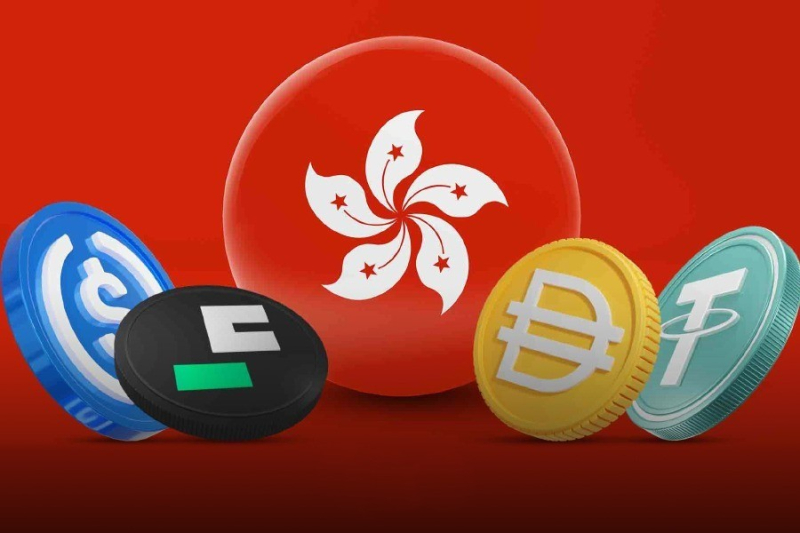
Hong Kong is set to issue its first stablecoin licenses next month, marking a significant step in its strategy to position itself as a leading global hub for digital assets. The announcement was made during the 2026 to 2027 budget speech by Financial Secretary Paul Chan, who outlined further measures to strengthen the city’s virtual asset regulatory framework.
The stablecoin licensing regime for fiat referenced issuers came into effect last year, laying the groundwork for formal oversight of digital tokens pegged to traditional currencies. With the first batch of licenses expected to be granted in the coming weeks, regulators are moving from policy design to practical implementation.
Authorities have emphasized a cautious and phased rollout. Only applicants demonstrating credible real world use cases, sustainable business models and strong compliance capabilities are expected to receive approval in the initial round. This selective approach reflects Hong Kong’s intention to support financial innovation while maintaining strict risk management standards.
Stablecoins are widely viewed as a bridge between traditional finance and blockchain based systems, particularly in payments and settlement. By regulating issuers under a dedicated licensing structure, Hong Kong aims to encourage the development of compliant digital payment solutions that can improve efficiency in cross border transactions and local commerce. At the same time, regulators are seeking to prevent risks linked to reserve management, liquidity mismatches and operational weaknesses.
The licensing framework is overseen by key financial authorities including the Hong Kong Monetary Authority and the Securities and Futures Commission. These bodies continue to review applications and refine supervisory expectations to ensure that approved issuers meet capital, governance and safeguarding requirements.
In addition to stablecoin oversight, the government plans to introduce new legislation later this year covering crypto asset dealers and custodians. The proposed bill will establish a comprehensive licensing regime for firms engaged in digital asset trading and custody services. The objective is to enhance investor protection, ensure secure storage of private keys and align digital asset service providers with regulatory standards applied to traditional financial intermediaries.
Together, these measures signal a broader effort to build a structured and resilient digital asset ecosystem. Rather than pursuing rapid expansion, Hong Kong is focusing on controlled growth supported by clear compliance obligations and supervisory transparency.
The strategy comes as global jurisdictions compete to attract digital asset businesses while responding to concerns about financial stability and consumer protection. By granting a limited number of stablecoin licenses initially, Hong Kong aims to test the framework under real market conditions before allowing wider participation.
As the first licenses are issued, market participants will be watching closely to see which issuers meet the regulatory threshold and how licensed stablecoins integrate into the city’s financial infrastructure. The next phase of legislation targeting dealers and custodians is expected to further define Hong Kong’s long term approach to digital asset regulation.