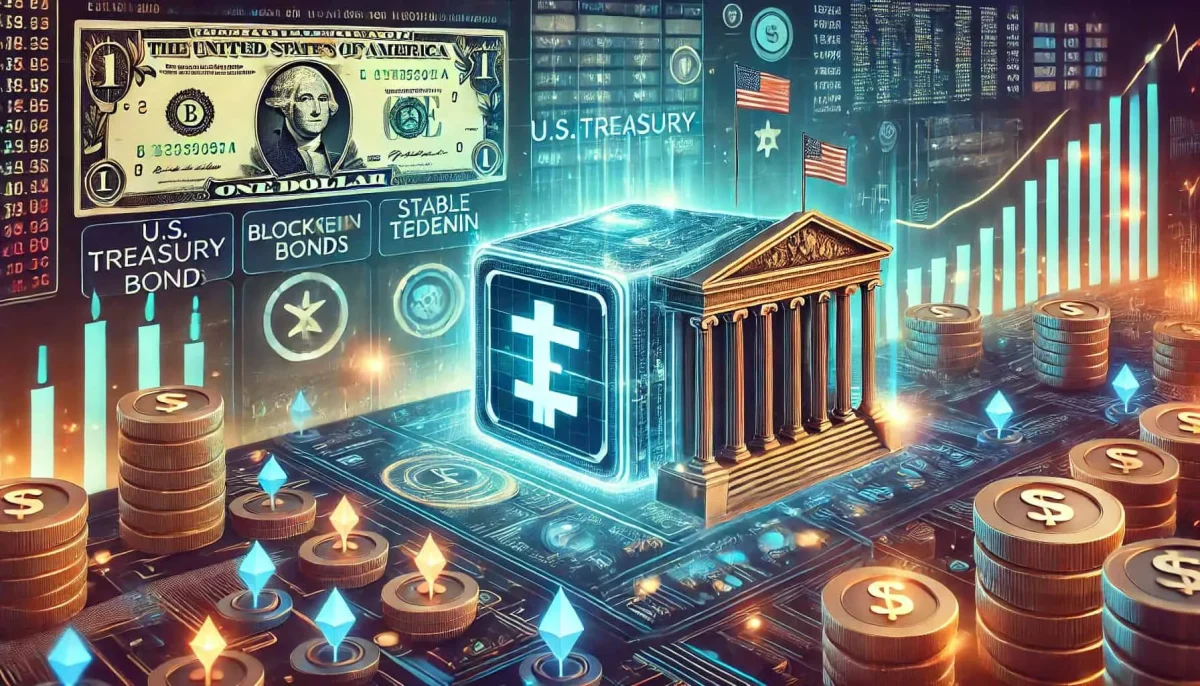
USDT emerges as both a compliance tool and a potential loophole in enforcement.
The Expanding Role of Sanctions
The U.S. Treasury has long relied on sanctions as a tool of foreign policy. By restricting access to the U.S. dollar and financial networks, it can pressure governments, organizations, and individuals worldwide. As digital assets grow, stablecoins such as Tether (USDT) have entered this equation. They replicate dollar functions on blockchains, raising questions about whether they strengthen or weaken sanctions enforcement.
Why Stablecoins Matter to the Treasury
Stablecoins provide fast, low-cost cross-border transfers that bypass traditional banking channels. For the Treasury, this means they could undermine sanctions if adversaries use them to avoid restrictions on dollar access. At the same time, the traceability of blockchain transactions offers new opportunities for monitoring and enforcement.
Tether, with circulation above one hundred twenty billion dollars, is central to these debates. Its global reach and offshore structure make it both an asset and a liability for U.S. sanctions policy.
USDT as a Potential Loophole
Skeptics of stablecoins argue that USDT can be used to sidestep sanctions. By operating through peer-to-peer markets and offshore exchanges, sanctioned actors may gain access to digital dollars outside the U.S. financial system. Reports from regulators and watchdogs have highlighted cases where stablecoins appeared in illicit networks linked to ransomware, fraud, and restricted jurisdictions.
The concern is that if stablecoins become too widely adopted, they could weaken the effectiveness of sanctions, reducing the Treasury’s leverage in global policy.
Supporters’ Counterpoint
Supporters argue that blockchain transparency makes stablecoins easier to track than cash or informal banking systems. Every USDT transaction is recorded on a public ledger, and law enforcement agencies increasingly use analytics tools to follow illicit flows.
They also note that Tether cooperates with authorities by freezing wallets linked to criminal or sanctioned entities. From this perspective, stablecoins could actually strengthen enforcement by providing new ways to monitor and disrupt illegal activity.
Case Studies of Stablecoins in Sanctions Contexts
Investigations in recent years have documented instances where stablecoins were used in networks attempting to bypass restrictions. In one case, wallets linked to sanctioned groups in the Middle East held significant amounts of USDT. In another, ransomware attackers demanded stablecoin payments, including Tether.
Yet in both cases, cooperation between issuers and law enforcement led to frozen wallets and asset seizures. These examples highlight the dual nature of stablecoins: they can be exploited but also traced and intercepted more easily than cash.
Treasury’s Official Position
The Treasury has repeatedly acknowledged the risks and opportunities of stablecoins. In its reports on illicit finance, it warns that stablecoins could undermine sanctions if left unregulated. At the same time, it encourages closer cooperation between issuers, exchanges, and regulators to strengthen compliance.
For policymakers, the challenge is balancing innovation with enforcement. They do not want to stifle legitimate use of stablecoins but must ensure they do not become tools for adversaries.
Global Cooperation
Sanctions enforcement is not a U.S.-only effort. The Treasury works with allies in Europe, Asia, and beyond to coordinate responses. Stablecoins complicate this process because they circulate globally, often outside traditional oversight.
This makes international cooperation essential. If issuers such as Tether are to be effective partners, they must coordinate with regulators in multiple jurisdictions. Without this alignment, loopholes could persist.
Supporters’ Perspective on Policy
Supporters of stablecoins advocate for formal integration into sanctions frameworks. They argue that by recognizing stablecoins as legitimate financial tools, regulators can harness their transparency. Cooperation between issuers, blockchain analytics firms, and law enforcement could make sanctions enforcement more effective than ever before.
Skeptics’ Perspective on Policy
Skeptics maintain that reliance on private offshore issuers undermines U.S. control. They caution that while Tether may cooperate now, its offshore structure limits direct U.S. oversight. For them, depending on voluntary cooperation is risky compared to regulating domestically controlled stablecoins.
They also argue that adversaries adapt quickly. Even if wallets are frozen, new ones can be created instantly, complicating enforcement.
Conclusion
The U.S. Treasury views stablecoins such as Tether as both a challenge and an opportunity. On one hand, they can provide channels for sanctioned actors to access digital dollars. On the other, they offer transparency and cooperation mechanisms that can enhance enforcement.
The outcome will depend on how regulators, issuers, and law enforcement collaborate. If frameworks evolve to integrate stablecoins into sanctions policy, they could strengthen the Treasury’s toolkit. If not, they risk becoming loopholes that undermine U.S. influence.