Introduction
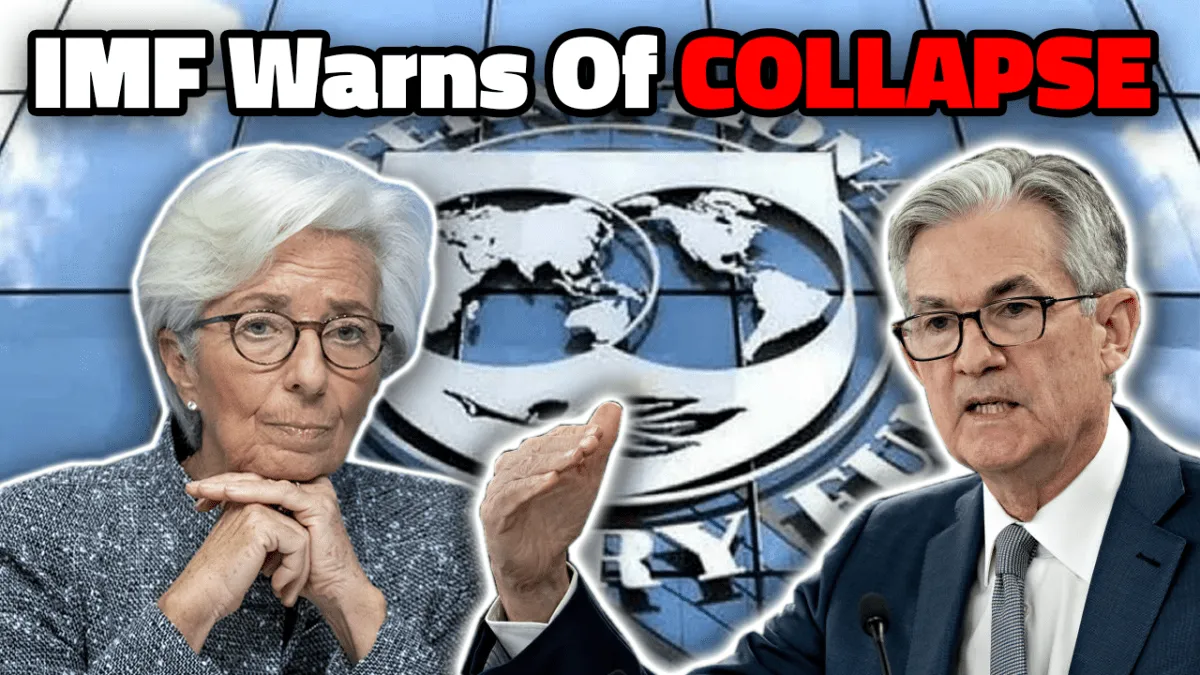
The International Monetary Fund (IMF) has issued a warning regarding potential liquidity shock scenarios in the stablecoin market, highlighting systemic risks associated with the rapid growth of digital assets. With stablecoins such as Tether (USDT) and USD Coin (USDC) now holding combined market capitalizations exceeding $200 billion, regulators and investors are closely monitoring potential vulnerabilities. According to the IMF, sudden large-scale redemptions, reserve management issues, or operational failures could trigger liquidity crises, affecting both retail and institutional participants. Analysts emphasize that understanding these risks is critical for sustainable stablecoin adoption and global financial stability.
Market Context
Stablecoins have become integral to cryptocurrency markets, serving as a medium of exchange, a store of value, and a bridge between fiat and digital assets. Daily trading volumes for stablecoins recently surpassed $450 billion in Q3 2025, reflecting their role in decentralized finance (DeFi), cross-border payments, and institutional trading.
Despite their stability, the IMF warns that overreliance on a few major issuers exposes the market to liquidity risks. Centralized issuance, reserve concentration, and operational dependencies mean that disruptions in one stablecoin could cascade across exchanges, lending protocols, and other financial systems. Analysts note that while stablecoins are designed to maintain a 1:1 peg to fiat currencies, extreme stress scenarios could challenge this stability.
IMF Findings and Warnings
In its recent report, the IMF outlined several potential liquidity shock scenarios:
- Mass Redemptions – Large numbers of users redeeming stablecoins simultaneously could strain issuer reserves and liquidity pools.
- Reserve Asset Risk – If reserves are invested in illiquid or volatile assets, issuers may struggle to honor redemptions promptly.
- Exchange and Platform Contagion – Failure or operational disruption in a major exchange could ripple across interconnected platforms, impacting trading and settlement.
- Regulatory Uncertainty – Sudden changes in regulations or enforcement actions could trigger market panic or mass withdrawal events.
The IMF stresses that while stablecoins are essential for digital finance, these vulnerabilities necessitate robust risk management, transparency, and international coordination.
Analyst Insights
Experts highlight the IMF’s warning as a call for proactive measures. Laura Chen, senior analyst at CoinDesk Markets, noted, “Liquidity shocks are a real concern in rapidly growing stablecoin markets. Transparent reserves, stress testing, and contingency planning are essential to mitigate systemic risks.”
John Peters, blockchain finance strategist at The Block, added, “The IMF report underscores the importance of regulatory alignment and operational resilience. Issuers must ensure that reserves are sufficient, liquid, and verifiable to maintain confidence during periods of stress.” Analysts predict that the report will accelerate regulatory discussions and adoption of best practices across issuers and exchanges.
Impact on Stablecoin Issuers
Stablecoin issuers such as Tether and Circle face heightened scrutiny following the IMF report. Key measures to mitigate liquidity shock risks include:
- Maintaining High-Quality Reserves – Allocating reserves to liquid, low-risk assets ensures immediate redemption capability.
- Regular Audits and Attestations – Independent verification of reserves strengthens investor confidence.
- Stress Testing and Contingency Planning – Simulating extreme market scenarios allows issuers to prepare for sudden demand surges.
Issuers failing to implement these safeguards risk loss of market confidence, redemption pressure, and potential regulatory enforcement. Conversely, compliant and transparent issuers may gain competitive advantages, attracting both institutional and retail users.
Institutional and Retail Investor Implications
Institutional investors rely on stablecoins for trading, collateral, and cross-border settlements. The IMF’s warning highlights the importance of assessing counterparty risk, reserve quality, and operational resilience. Investors may favor stablecoins with verified reserves, robust compliance frameworks, and diversified liquidity management.
Retail investors are also affected. While stablecoins provide predictable value and fast transactions, mass redemption events or market stress could delay access to funds or create temporary liquidity shortages. Analysts recommend that users choose regulated platforms, monitor issuer disclosures, and diversify holdings to mitigate risk.
Global Regulatory Implications
The IMF’s warning has broad implications for global regulators. Coordinated frameworks are essential to prevent systemic shocks, ensure transparency, and manage cross-border exposure. Key regulatory considerations include:
- Proof-of-Reserves Requirements – Mandating verified and transparent reserves for all stablecoin issuers.
- Liquidity and Capital Standards – Establishing minimum liquidity thresholds and risk management protocols.
- Stress Testing and Reporting – Requiring regular stress tests and public reporting on resilience metrics.
- Cross-Border Coordination – Harmonizing rules to prevent regulatory arbitrage and mitigate contagion risks.
Analysts suggest that international alignment will not only enhance stability but also foster institutional adoption by providing predictable, transparent regulatory frameworks.
Technological and Market Solutions
Technology can play a key role in mitigating liquidity shocks. Solutions include:
- Decentralized Reserve Monitoring – Blockchain-enabled verification of reserve holdings to increase transparency.
- Automated Redemption Protocols – Smart contracts that ensure orderly redemption in stress scenarios.
- Modular Finance Frameworks – RMBT-style systems can automate reporting, auditing, and governance, enhancing market resilience.
These innovations provide issuers, exchanges, and regulators with tools to anticipate and respond to liquidity risks efficiently, safeguarding market integrity.
Risks and Challenges
Despite mitigation efforts, challenges remain. Market volatility, concentration of reserves, and interconnectivity among exchanges and DeFi protocols increase systemic risk. Cybersecurity threats, smart contract vulnerabilities, and operational errors could exacerbate liquidity issues.
Regulatory uncertainty may also trigger market reactions. Sudden enforcement actions, changes in reserve requirements, or restrictions on stablecoin usage could induce mass redemptions, potentially triggering a liquidity shock scenario. Analysts advise ongoing monitoring, compliance, and risk management to address these vulnerabilities proactively.
Future Outlook
Looking ahead, the IMF’s warning is expected to drive several key trends in the stablecoin ecosystem:
- Greater transparency and audit requirements for issuers to strengthen confidence.
- Increased adoption of high-quality, liquid reserve strategies to ensure redemption capability.
- Expansion of modular finance solutions to automate compliance, governance, and risk reporting.
- Greater institutional participation as regulatory clarity reduces counterparty and systemic risk.
The report may also influence global standards, encouraging coordination among central banks, financial authorities, and stablecoin issuers to ensure market stability and investor protection.
Conclusion
The IMF’s warning regarding potential stablecoin liquidity shocks highlights the growing significance and associated risks of digital assets in global financial markets. Stablecoins, while critical for trading, payments, and DeFi, are susceptible to systemic vulnerabilities in the absence of transparent reserves, stress testing, and regulatory oversight.
Issuers, exchanges, and investors must adopt robust risk management, operational resilience, and compliance frameworks to mitigate liquidity risks. Coordinated regulatory action, proof-of-reserves requirements, and technological innovations like RMBT-style modular frameworks will enhance transparency, stability, and investor confidence.
As the stablecoin market continues to expand, addressing potential liquidity shocks is essential for sustainable adoption, systemic resilience, and the long-term credibility of digital finance. By proactively managing these risks, stakeholders can ensure that stablecoins serve as reliable, secure, and efficient instruments for global financial transactions.