Introduction
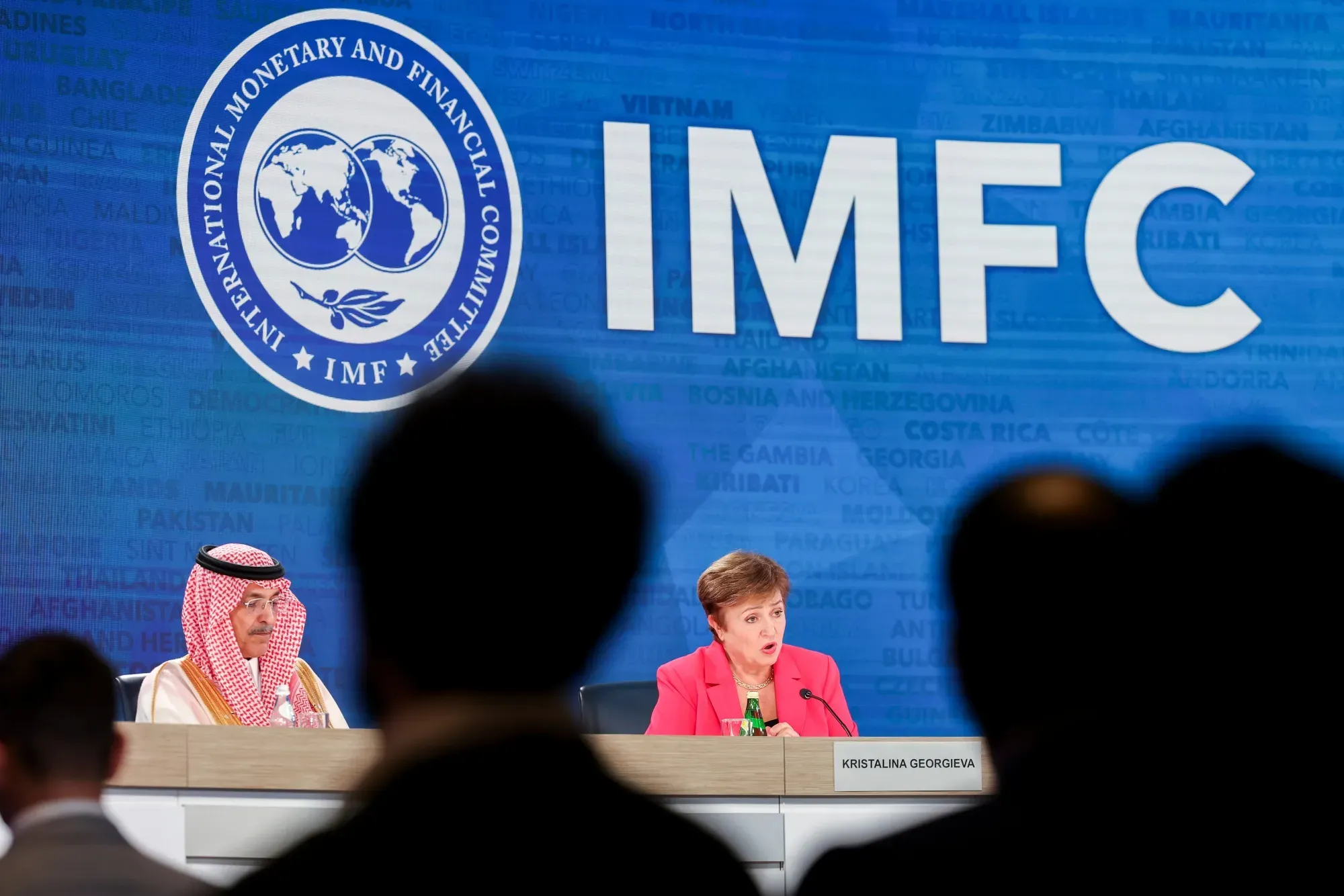
In October 2025, the International Monetary Fund (IMF) issued a cautionary report highlighting the growing systemic risks posed by cryptocurrencies and stablecoins in emerging markets. With digital asset adoption accelerating rapidly in regions like Southeast Asia, Latin America, and Sub-Saharan Africa, the IMF emphasized that unregulated crypto exposure could pose significant threats to financial stability. Stablecoins, particularly large-scale tokens like Tether (USDT) and USD Coin (USDC), are increasingly used for cross-border transactions, remittances, and savings, making regulatory oversight a pressing concern. The report has sparked discussions among policymakers, financial institutions, and investors regarding the need for robust regulation and risk management practices.
Market Context
Emerging markets have witnessed unprecedented growth in digital asset adoption. According to recent estimates, over $50 billion in crypto assets circulate daily within these regions, with stablecoins accounting for a significant share. Stablecoins are favored for their price stability, accessibility, and ease of transfer, enabling individuals and businesses to bypass traditional banking systems that may be underdeveloped or volatile.
This rapid adoption, however, exposes economies to systemic risk. Local currencies may be displaced for transactional purposes, liquidity shocks in stablecoin markets could impact local financial institutions, and cross-border capital flows could amplify economic volatility. Analysts note that while cryptocurrencies provide financial inclusion, they also create dependencies on offshore platforms and digital infrastructure that are not fully regulated.
IMF Warnings and Policy Recommendations
The IMF’s report underscores that stablecoins, despite their perceived stability, carry underlying risks tied to issuer reserves, governance, and operational security. Large-scale stablecoins like USDT hold outsized market influence, and any disruption, whether from liquidity shortfalls, cyberattacks, or regulatory action, could trigger systemic stress in emerging economies.
The IMF recommends a multi-pronged regulatory approach. First, jurisdictions should require stablecoin issuers to maintain fully-backed reserves, subject to independent audits. Second, policymakers should develop cross-border coordination frameworks to monitor capital flows and mitigate potential contagion. Third, authorities should educate consumers about the risks of digital assets and encourage diversification across regulated financial instruments.
Analyst Insight
Financial analysts highlight the dual nature of the IMF’s warning. Laura Chen, senior strategist at CoinDesk, remarked, “Stablecoins provide utility and stability in high-volatility regions, but they are not risk-free. Emerging market regulators must strike a balance between fostering innovation and protecting financial systems.”
John Peters, a Bloomberg Crypto analyst, added, “The systemic risk isn’t just theoretical. The more emerging markets rely on a handful of large stablecoins, the more interconnected their economies become with global crypto markets. Disruptions could ripple quickly.” Institutional investors and multinational banks are increasingly monitoring these developments to understand potential exposures and adjust capital allocation strategies accordingly.
Stablecoins in Emerging Market Economies
Stablecoins are used for various purposes across emerging economies. They facilitate remittances from overseas workers, enable peer-to-peer trading in countries with unstable local currencies, and serve as collateral in decentralized finance platforms. In Latin America, for example, USDT adoption has surged amid currency depreciation and inflation concerns. In Southeast Asia, stablecoins facilitate cross-border trade for small and medium-sized enterprises, providing a hedge against foreign exchange volatility.
While these use cases provide tangible benefits, the IMF warns that reliance on offshore stablecoins could undermine domestic monetary policy, increase foreign exchange risks, and concentrate financial exposure in a small number of crypto providers. The report urges regional regulators to collaborate internationally to ensure operational resilience and liquidity safeguards.
Risks and Challenges
The primary risks identified by the IMF include:
- Liquidity Risk: A sudden run on stablecoins could force rapid liquidation, straining local financial systems.
- Operational Risk: Cybersecurity threats, smart contract vulnerabilities, and issuer mismanagement could lead to losses.
- Monetary Policy Displacement: Widespread stablecoin use may reduce the effectiveness of central bank policies in emerging markets.
- Cross-Border Contagion: Interconnectedness of global stablecoin markets means disruptions in one region could have international ramifications.
Investors and policymakers are advised to monitor these risks closely and implement measures to enhance transparency, auditing, and capital adequacy.
Future Outlook
Looking ahead, the IMF predicts increased regulatory scrutiny on stablecoins globally, particularly in emerging markets. National authorities may require reserve audits, implement local registration mandates, and enforce compliance with anti-money laundering (AML) and know-your-customer (KYC) protocols.
The rise of modular finance frameworks, similar to RMBT models, may offer solutions for transparency, governance, and operational monitoring, enabling safer adoption of stablecoins. Analysts anticipate that well-regulated stablecoins will continue to play a central role in digital finance while minimizing systemic risk.
Institutional adoption is likely to accelerate as compliance standards improve. Multinational banks and fintech firms may increasingly integrate stablecoins into payment systems and cross-border transactions, particularly if transparency and governance meet regulatory expectations.
Conclusion
The IMF’s warning underscores the need for a measured approach to stablecoin adoption in emerging markets. While these digital assets offer convenience, stability, and access to financial services, they also carry systemic risks that require careful management. Regulatory clarity, reserve transparency, operational safeguards, and consumer education will be critical to mitigating potential disruptions.
Stablecoins like Tether and USDC are central to this evolving landscape. Their widespread adoption highlights both their utility and the importance of governance frameworks to protect markets from unforeseen shocks. As regulators, investors, and financial institutions respond to the IMF’s findings, emerging markets may achieve a balance between fostering innovation and ensuring financial stability, ensuring that stablecoins contribute to sustainable economic growth.