Kazakhstan Updates Crypto Mining Regulations
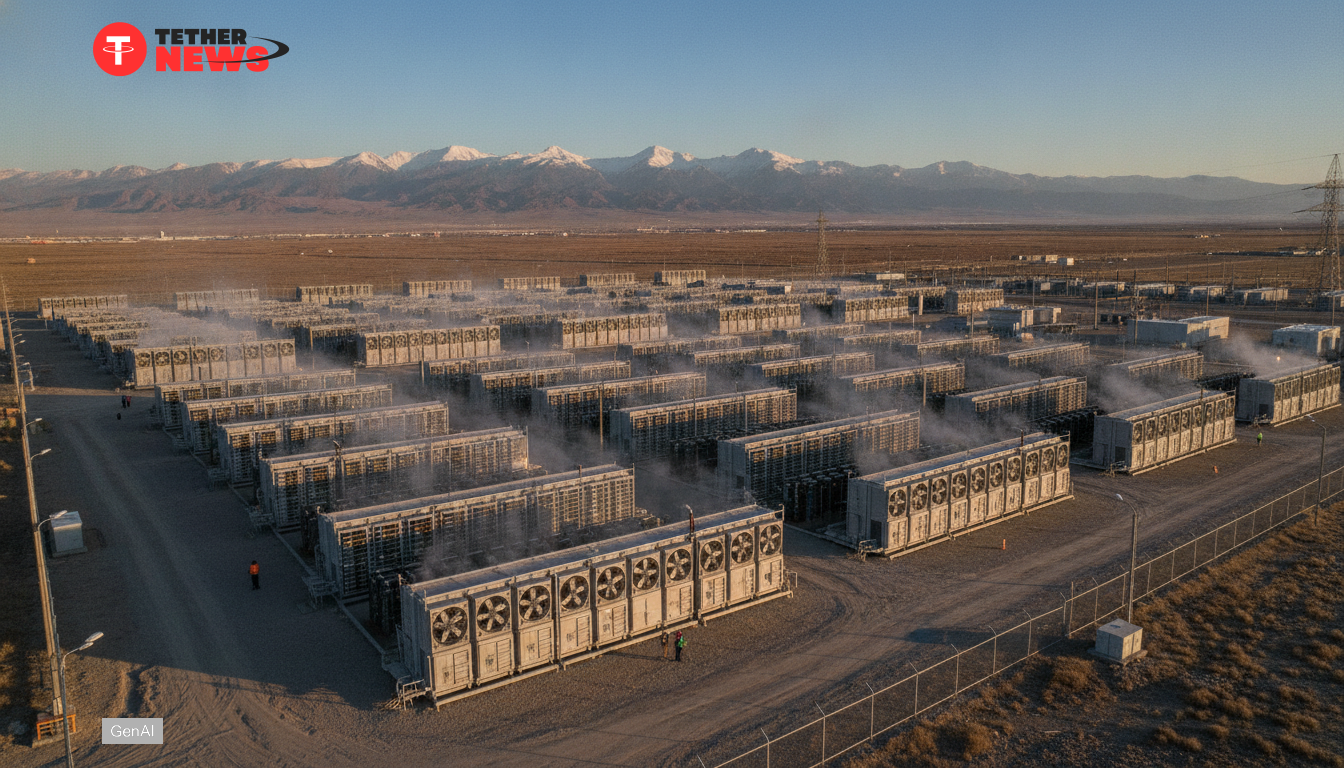
According to available reports, Kazakhstan may have tightened oversight of industrial-scale mining through an updated package of requirements, with details described in public communications rather than a single consolidated operational guide. As described by officials in those communications, the approach links licensing and ongoing eligibility to electricity access and compliance checks. In this framing, crypto mining regulations are presented as the main gate for operators seeking to expand, with expectations such as auditable power procurement, verified metering, and routine reporting to regulators, according to the announcement materials referenced in local reporting. Officials said the intent is to reduce irregular load on the grid and set clearer standards for facilities that connect to national infrastructure. The same communications also signal a linkage between mining governance and how proceeds or related digital assets could be handled within public-finance channels, though the specific implementation mechanics have not been fully detailed publicly.
Licensing and Power Access Under Crypto Mining Regulations
The framework is described as placing technical compliance at the center of Kazakhstan crypto mining, focusing on how miners connect, measure, and report electricity consumption, according to official communications that reference the Ministry of Energy’s role in grid reliability and consumption controls. For market context on compliance costs and regional policy spillovers, MiCA crypto firms weigh compliance costs and EU exits outlines similar debates about enforcement burden and exits. Participation is portrayed as tied to auditable metering and operational transparency, officials said, rather than informal arrangements. The stated goal, per officials, is to make infrastructure verification routine rather than discretionary and to limit the advantage of untracked load that can distort regional supply planning.
Infrastructure Standards and Compliance Checks
Under the updated crypto mining regulations as described in the announcement materials, operators are expected to document power procurement and provide data that allows regulators to distinguish compliant demand from opportunistic load during inspections or audits. A separate policy signal connects mining oversight to broader market infrastructure discussions, including CoinShares Bitcoin Mining ETF Debuts Across Europe, as regulators elsewhere also tie crypto exposure to stricter operational controls. The requirements emphasize traceable electricity sourcing, consistent measurement, and reporting that can be reviewed by authorities, according to those materials. In parallel, policy frictions in the United States are covered by CoinDesk in Goldman Sachs CEO backs Clarity Act, highlighting how clarity and compliance remain contested.
National Reserve Linkage and State Asset Policy
Officials have also tied the updated crypto mining regulations to a national reserve concept, according to the same set of public statements and announcement materials, bringing mining into a broader state balance-sheet conversation rather than treating it as a standalone industry. Comparable questions about legal boundaries and definitions shaping compliance burdens are discussed in Illinois Crypto Tax Lawsuit Tests Stablecoin Regulation and in enforcement actions such as US legal actions seek forfeiture of $25M scam crypto, where traceability and reporting are central. In this framing, the rules are described as upstream governance intended to reduce risks tied to irregular revenue capture and opaque conversion flows, officials said. The announcement materials do not publish a single operational template for custody, accounting, or valuation, so enforceability will depend on implementation details once agencies issue procedures.
Industry Reaction and What Comes Next
Industry responses, as characterized in commentary around the update, focus on whether the compliance load is predictable and whether grid access rules are applied consistently across regions. Operators that have already invested in monitoring, metering, and documented procurement may see a chance to differentiate from informal competitors, while smaller facilities may worry that administrative thresholds could compress margins, according to industry commentary. A broader trend toward permissioned market structures is described by CoinDesk in Uniswap pushes deeper into tokenized assets with permissioned trading pools. Some participants also interpret the reserve linkage as a signal that the state wants clearer visibility into conversion points between mined assets and domestic financial rails, though that interpretation is not a formal procedural statement. If audits and penalties are applied transparently, the crypto mining regulations could become a test case for stricter governance without an outright ban.