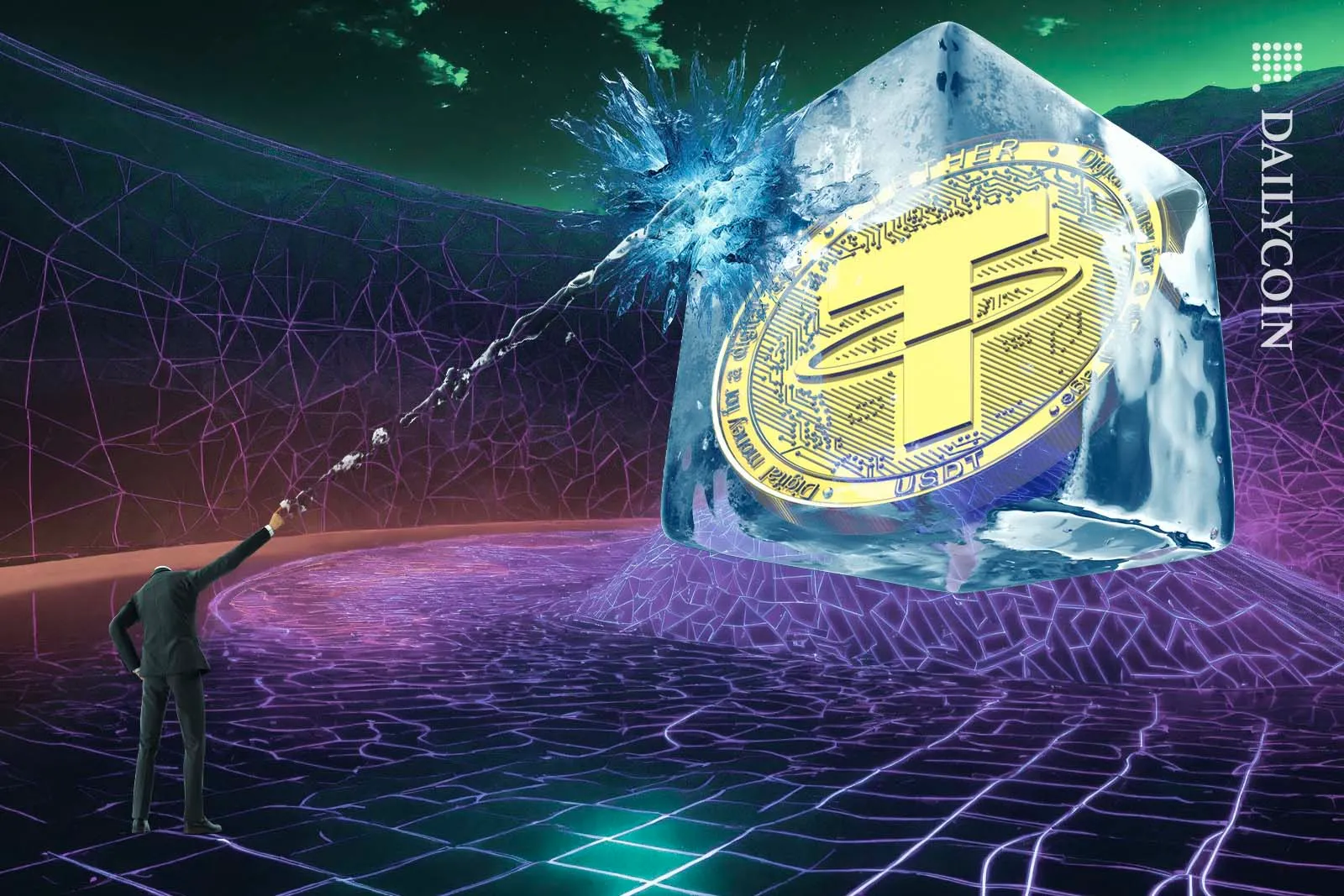
Tether (USDT) wallets totaling millions of dollars were recently frozen following reports of suspicious activity, marking one of the largest enforcement actions involving stablecoins in recent months. The coordinated freeze highlights the growing role of regulatory oversight in the cryptocurrency ecosystem and Tether’s commitment to cooperating with authorities to maintain market integrity.
Details of the Wallet Freeze
Authorities targeted multiple USDT wallets linked to potentially illicit transactions, including suspected fraud and unauthorized transfers. Tether worked closely with law enforcement agencies to ensure that affected accounts were promptly identified and frozen. The action involved a significant volume of USDT, reflecting both the scale of the operation and the importance of monitoring high-risk activity on-chain.
Market participants were informed of the freeze, with Tether confirming that normal trading operations remained unaffected for the broader market. Exchanges and DeFi platforms experienced minimal disruption, thanks to proactive communication and liquidity management measures.
Impact on Market Participants
The large-scale freeze sent ripples across the crypto market, drawing attention from both retail traders and institutional investors. While some speculation emerged regarding potential market implications, analysts emphasized that such enforcement actions are a necessary measure to safeguard the integrity of the stablecoin ecosystem.
Institutional participants, in particular, viewed the action positively, as it reinforces compliance standards and enhances confidence in USDT as a reliable asset for trading, hedging, and cross-border payments.
Regulatory and Compliance Implications
This enforcement action underscores the importance of robust compliance frameworks for stablecoins. Tether’s proactive cooperation with regulators highlights its ongoing commitment to transparency, anti-money laundering (AML) protocols, and Know Your Customer (KYC) practices.
Experts suggest that similar freezes may become more common as regulatory scrutiny intensifies, emphasizing the need for exchanges, DeFi platforms, and institutional users to adopt strict monitoring and risk management procedures.
Conclusion
The recent large-scale USDT wallet freeze serves as a reminder of the evolving regulatory landscape in the cryptocurrency sector. By swiftly addressing suspicious activity and collaborating with authorities, Tether demonstrates operational diligence and reinforces trust among market participants. For traders, exchanges, and institutions, these measures highlight the importance of compliance, transparency, and proactive risk management in maintaining a secure stablecoin environment.