Introduction
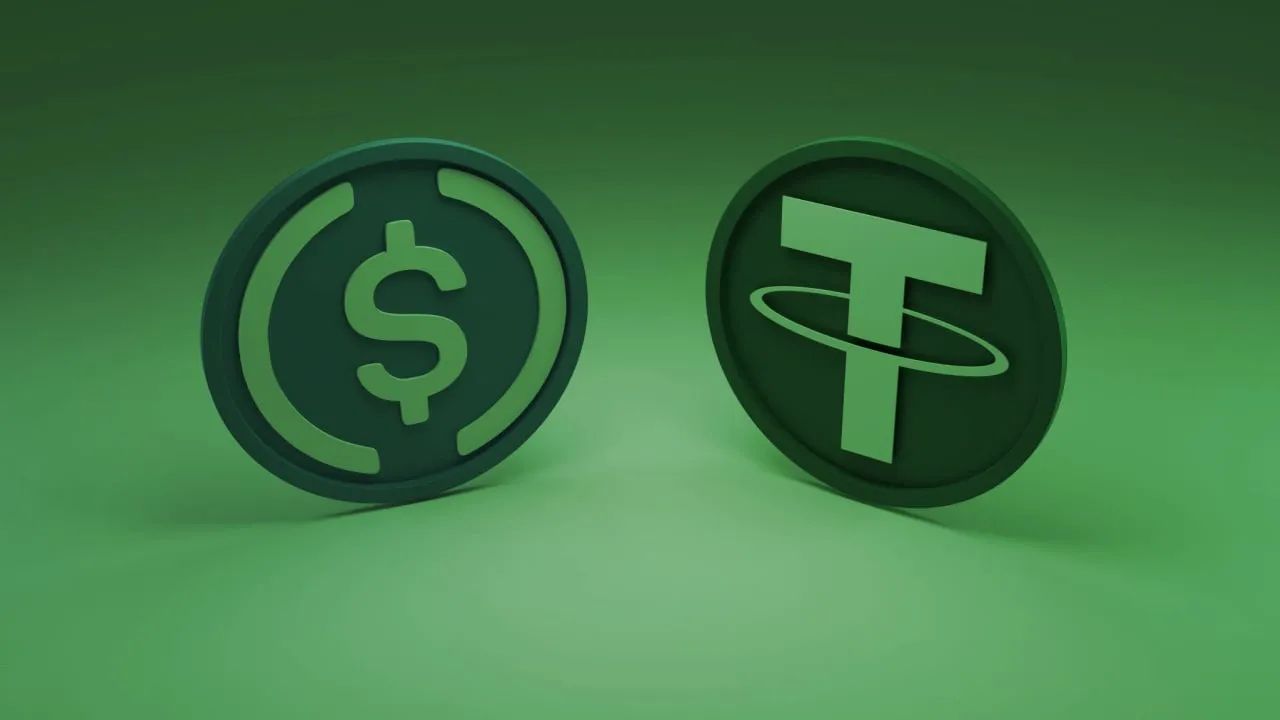
In 2025, the global stablecoin market is dominated by two major players: Tether (USDT) and Circle’s USDC. Analysts note that these stablecoins are central to exchange liquidity, trading volume, and cross-border settlements. Their performance on major centralized and decentralized exchanges directly influences market efficiency, capital deployment, and investor confidence. Comparing USDT and USDC in global exchange ecosystems offers insight into operational reliability, regulatory compliance, and adoption trends among retail and institutional participants.
USDT: Dominance Through Multi-Chain Liquidity
Tether continues to lead in daily trading volumes and exchange liquidity. Multi-chain deployment across Ethereum, Solana, Tron, Polygon, and Avalanche ensures that USDT is accessible for high-frequency trading, lending, and settlement operations. Analysts report that USDT consistently accounts for roughly 40-45 percent of stablecoin exchange reserves in 2025, making it a primary liquidity anchor across markets. Verified reserves and monthly attestations reinforce its credibility, enabling seamless operations during periods of high volatility.
USDC: Regulatory Alignment and Institutional Preference
USDC, backed by Circle, emphasizes regulatory transparency and compliance. Fully collateralized and regularly audited, USDC has become the preferred stablecoin for institutional participants seeking predictable liquidity within regulated environments. On-chain analytics indicate that USDC’s market share on exchanges has grown steadily, particularly in lending protocols, treasury operations, and DeFi platforms adhering to institutional standards. Analysts suggest that regulatory alignment gives USDC a competitive edge in markets where compliance and auditability are crucial.
Exchange Ecosystem Dynamics
Both USDT and USDC operate across centralized exchanges such as Binance, Coinbase, Huobi, and Kraken, as well as decentralized platforms including Uniswap, SushiSwap, and Curve. Multi-chain deployment allows liquidity to flow efficiently, reduces transaction latency, and mitigates network congestion. Analysts highlight that the balance between USDT’s volume dominance and USDC’s regulatory alignment shapes exchange dynamics, influencing trading strategies, liquidity provision, and cross-border settlements.
Institutional Adoption and Trading Behavior
Hedge funds, family offices, and corporate treasuries rely on USDT and USDC for capital efficiency, liquidity management, and risk mitigation. Verified reserves and operational transparency allow high-volume trading and cross-chain settlements. On-chain data shows that institutional stablecoin holdings increased by 15-18 percent in H1 2025, with USDT favored for liquidity and USDC preferred for compliance-oriented applications. Analysts suggest that observing institutional behavior provides insights into broader market sentiment and potential liquidity trends.
DeFi Integration and Collateral Use
Stablecoins serve as critical collateral in decentralized finance. USDT provides deep liquidity for lending, borrowing, and automated market maker pools, while USDC supports regulated DeFi protocols with predictable reserve backing. Multi-chain deployment ensures that liquidity remains accessible across Ethereum, Solana, Tron, Polygon, and Avalanche networks. Analysts report that combined USDT and USDC activity in DeFi increased by 18-20 percent in 2025, highlighting their importance in sustaining market operations.
Cross-Border Payments and Global Liquidity Flows
Stablecoins also enable cross-border payments and settlement efficiency. USDT and USDC facilitate international transfers, reducing currency risk and operational friction. Analysts highlight that multi-chain liquidity ensures uninterrupted flow across exchanges and networks, supporting global adoption and providing market participants with reliable channels for capital movement.
Future Outlook: Competition and Complementarity
The ongoing “liquidity wars” between USDT and USDC reflect both competition and complementarity. Analysts predict that USDT will maintain dominance in raw liquidity and trading volume, while USDC will continue to grow in institutional adoption and compliance-driven usage. Multi-chain deployment, verified reserves, and regulatory alignment will remain key factors shaping the exchange ecosystem, capital allocation strategies, and market efficiency in 2025.
Conclusion
USDT and USDC are central to the functioning of global crypto exchanges, providing liquidity, transparency, and operational stability. USDT’s volume dominance anchors high-frequency trading and DeFi liquidity, while USDC’s regulatory compliance supports institutional trust and adoption. Multi-chain deployment and verified reserves enable both stablecoins to coexist, complementing each other across exchange ecosystems. As 2025 progresses, monitoring USDT and USDC liquidity flows will remain essential for understanding market dynamics, investor behavior, and global capital efficiency.