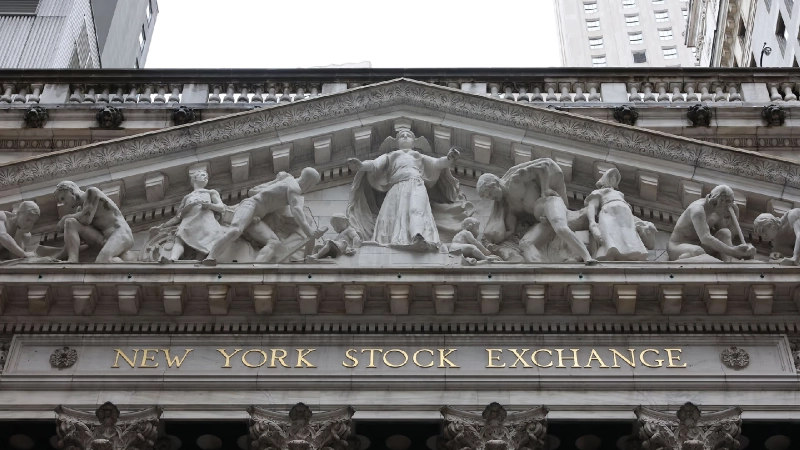
The New York Stock Exchange is moving toward integrating blockchain technology into its existing financial infrastructure rather than replacing traditional systems, signaling a measured approach to digital transformation on Wall Street. According to senior leadership, the focus is on enhancing current market operations through interoperability and tokenization while preserving the regulatory safeguards and operational efficiencies that underpin global capital markets. This strategy reflects a broader industry shift where innovation is being layered onto established systems instead of disrupting them entirely.
At the core of this approach is the idea that blockchain can complement traditional finance by improving settlement speed and expanding trading capabilities. The exchange is exploring use cases such as near real time settlement and extended trading hours, which could significantly improve market accessibility and efficiency. Rather than building entirely new systems, the goal is to integrate tokenized assets into existing frameworks, allowing both traditional and blockchain based models to coexist and evolve together over time.
Executives emphasize that current financial infrastructure already provides critical benefits, including centralized clearing and strong investor protections. These elements help manage risk and maintain stability across markets, making a complete shift to decentralized systems impractical in the near term. Instead, the exchange is aiming for a balanced model where blockchain enhances functionality without compromising the reliability and oversight that investors depend on in regulated markets.
The move comes as tokenization gains traction across financial institutions, with assets such as stocks and funds increasingly being represented on blockchain networks. Industry participants argue that this model can unlock faster settlement cycles, continuous trading and broader global participation. Strategic developments, including partnerships and investments linked to digital asset platforms, further highlight how traditional exchanges are positioning themselves within the evolving crypto and tokenization landscape.
Over the longer term, market leaders expect the distinction between traditional and tokenized assets to become less relevant as both systems converge. The gradual integration strategy adopted by the exchange suggests that the transition will be evolutionary rather than disruptive, with blockchain technology becoming a natural extension of existing financial infrastructure. As experimentation continues, the focus remains on aligning innovation with regulatory standards and operational resilience.