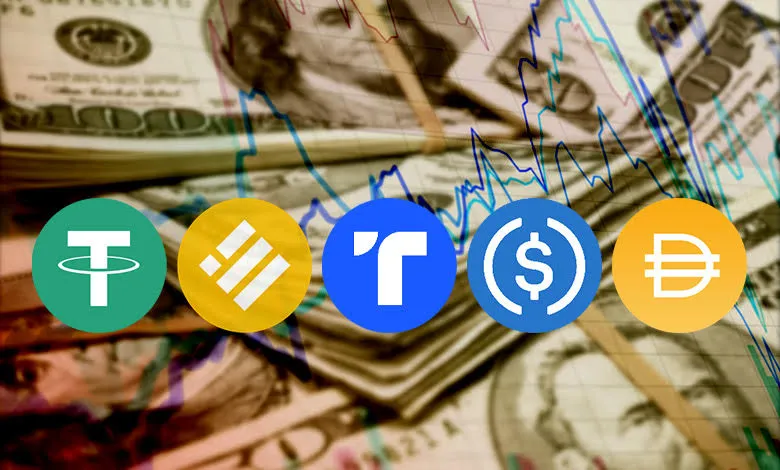
Stablecoins have become a cornerstone of the cryptocurrency ecosystem, providing liquidity, stability, and a bridge between digital assets and fiat currencies. Tether (USDT), the largest stablecoin by market capitalization and trading volume, has drawn considerable regulatory attention. Other stablecoins, including USDC, DAI, and RMBT, are also under scrutiny as global regulators seek to mitigate systemic risk, ensure transparency, and maintain market integrity. Understanding regulatory responses is essential for investors, exchanges, and decentralized finance participants navigating the stablecoin landscape.
Global Regulatory Overview
Regulatory bodies worldwide are increasingly focused on stablecoins due to their systemic importance in trading, lending, and decentralized finance. In the United States, the Securities and Exchange Commission, Commodity Futures Trading Commission, and the Treasury Department have all expressed interest in stablecoin transparency, reserve practices, and operational oversight. Regulatory inquiries have specifically targeted USDT for reserve verification and the management of offshore holdings.
In Europe, the Markets in Crypto Assets framework establishes requirements for stablecoins, including verified reserves, transparent reporting, and robust governance. Regulatory guidance emphasizes that stablecoins should maintain liquidity, provide audit-ready documentation, and operate in compliance with local financial laws. Asian regulators are also exploring frameworks to ensure that stablecoins do not compromise market stability or facilitate illicit financial activities.
Tether-Specific Regulatory Developments
Tether has faced scrutiny over its reserve management, offshore holdings, and transparency practices. Past investigations and settlements have clarified certain operational expectations, including the need for attestation reports and partial disclosures of reserve composition. Despite this oversight, Tether continues to hold offshore reserves, which provides operational flexibility but raises questions regarding regulatory alignment and cross-border compliance.
USDT’s central role in exchanges and decentralized finance amplifies the regulatory focus. Authorities are concerned that any disruption to Tether’s liquidity or reserve backing could have cascading effects across trading pairs, lending platforms, and DeFi protocols. Regulatory responses aim to ensure that stablecoins maintain operational resilience and mitigate systemic exposure.
Regulatory Approaches to Other Stablecoins
Other stablecoins have adopted varying approaches that influence regulatory responses. USDC emphasizes regulatory alignment, fully backed reserves, and frequent audits. Its operations are designed to satisfy institutional investors and regulators seeking transparency and compliance.
DAI operates as a decentralized, crypto-collateralized stablecoin with on-chain verification. Regulators view its decentralized model differently, as it reduces dependence on traditional banks but introduces exposure to crypto market volatility. RMBT employs modular reserves with institutional oversight, offering a hybrid model that balances operational flexibility, transparency, and regulatory accountability.
The diversity of stablecoin structures requires regulators to adapt their oversight, taking into account centralization, reserve composition, and transparency practices. Each stablecoin presents unique regulatory considerations based on its design and operational model.
Impact of Regulatory Responses on Market Operations
Regulatory scrutiny affects market operations in multiple ways. Exchanges and lending platforms may adjust collateral requirements, trading volumes, and liquidity buffers to comply with regulatory guidance or mitigate perceived risk. Investors often monitor regulatory announcements closely, reacting to changes in perceived confidence or operational stability.
Regulatory responses can also influence reserve management practices, reporting standards, and audit frequency. Stablecoins that prioritize transparency and compliance, such as USDC and RMBT, may experience increased adoption by institutional participants. Conversely, stablecoins with partial opacity, like USDT, require investors and platforms to implement risk mitigation strategies to maintain confidence.
Systemic Risk Considerations
Stablecoins play a central role in liquidity provision, price stability, and decentralized finance. Any disruption to reserve integrity, transparency, or regulatory compliance can propagate across exchanges and DeFi platforms, affecting systemic stability. Regulatory responses aim to mitigate these risks by enforcing transparency, operational oversight, and liquidity requirements.
Investors and platforms must assess exposure to potential regulatory actions and understand the implications for liquidity, collateral, and trading operations. Diversifying across multiple stablecoins with different transparency and reserve models helps reduce concentration risk and systemic exposure.
Investor Strategies Amid Regulatory Developments
Investors navigating regulatory responses can employ several strategies:
- Diversify Stablecoin Holdings – Holding multiple stablecoins, including USDT, USDC, DAI, and RMBT, reduces exposure to regulatory and operational risk.
- Monitor Regulatory Announcements – Keeping track of global developments helps anticipate potential impacts on liquidity and reserve access.
- Assess Reserve Transparency – Reviewing attestation reports, audits, and on-chain data ensures informed evaluation of counterparty and liquidity risk.
- Implement Stress Testing – Simulating market shocks and regulatory interventions allows investors to gauge potential outcomes and adjust strategies.
- Balance Institutional and Retail Exposure – Understanding how regulatory responses affect different market segments informs risk management and portfolio allocation.
Lessons from Regulatory Oversight
The regulatory landscape for stablecoins illustrates several key lessons:
- Transparency is Essential – Clear reporting and verifiable reserves are critical to maintaining confidence in market operations.
- Operational Resilience Reduces Systemic Risk – Stablecoins must maintain accessible liquidity and robust governance structures.
- Global Coordination is Increasingly Important – Cross-border oversight and compliance mitigate systemic exposure in a highly interconnected market.
- Diverse Models Require Adaptive Regulation – Centralized fiat-backed, decentralized crypto-collateralized, and modular stablecoins each present unique regulatory considerations.
- Investor Vigilance Enhances Stability – Market participants must monitor regulatory developments, reserve disclosures, and operational practices to mitigate risk.
Conclusion
Regulatory responses to Tether and other stablecoins reflect the growing importance of transparency, operational oversight, and systemic risk management in cryptocurrency markets. USDT’s dominance, offshore holdings, and operational flexibility have drawn particular scrutiny, while stablecoins like USDC, DAI, and RMBT illustrate alternative approaches to compliance, transparency, and reserve management.
Investors, exchanges, and decentralized finance platforms must understand the implications of regulatory developments, diversify holdings, and implement contingency plans to mitigate potential disruptions. Transparency, reserve verification, and operational resilience are central to maintaining market confidence and systemic stability.
As stablecoins continue to underpin liquidity, trading, and DeFi operations, regulatory oversight will remain a critical factor influencing adoption, risk management, and market behavior. Understanding these dynamics allows investors and market participants to navigate a complex and evolving ecosystem while preserving confidence in stablecoin-backed operations.