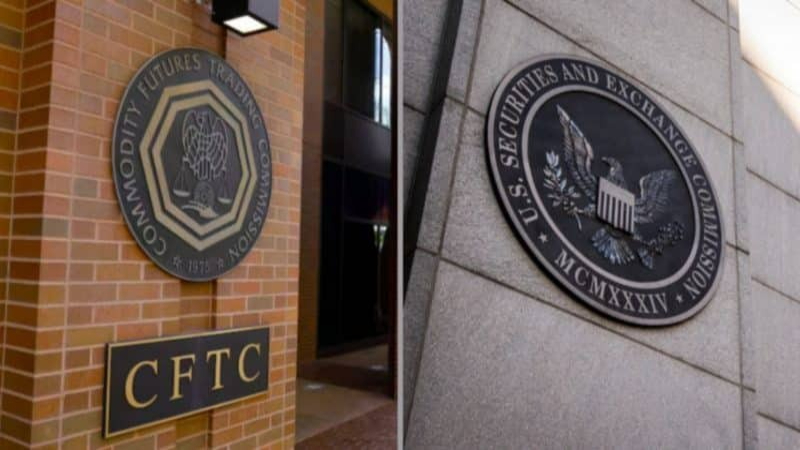
U.S. financial regulators are preparing to strengthen cooperation between the Securities and Exchange Commission and the Commodity Futures Trading Commission as digital assets become a larger part of the financial system. SEC Chairman Paul Atkins said the two agencies are working on a formal memorandum of understanding that would align their oversight and reduce regulatory confusion for companies operating across both markets. The initiative aims to bring closer coordination between the country’s primary securities and derivatives regulators, particularly as cryptocurrency platforms, trading products and financial technologies increasingly fall under overlapping jurisdictions.
According to Atkins, the proposed agreement would go far beyond informal cooperation and could include joint meetings with companies seeking regulatory guidance or approval for new financial products. The two agencies are expected to coordinate discussions related to product applications, regulatory interpretations and compliance issues. This approach is designed to prevent firms from being forced to navigate separate regulatory processes for products that involve both securities and commodities features. Officials believe that a unified framework will help create clearer rules for companies developing blockchain based services, crypto trading platforms and tokenized financial products.
One of the main challenges facing the digital asset industry has been uncertainty over which regulator oversees different types of crypto products. The SEC traditionally supervises securities markets, while the CFTC oversees commodities and derivatives trading. Cryptocurrencies often blur the line between these categories, leading to disputes over regulatory authority and enforcement actions in recent years. The new coordination effort is intended to reduce that friction by establishing shared processes that allow both agencies to review products and regulatory questions together rather than separately.
Atkins indicated that the new framework will also include coordinated examinations of companies that fall under both regulators. Many digital asset platforms operate in areas that involve securities style investment products as well as derivatives trading. Under the proposed approach, firms may face joint examinations rather than undergoing multiple regulatory reviews conducted independently by each agency. Regulators believe this could streamline oversight while still maintaining strong compliance standards and protecting market participants.
The closer cooperation reflects a broader policy shift as federal regulators seek to develop clearer oversight of digital assets. In recent years, regulatory disagreements and legal battles have slowed the development of comprehensive crypto rules in the United States. With digital asset markets continuing to expand, officials now appear more focused on establishing a coordinated regulatory environment that supports innovation while ensuring transparency and investor protection. The agencies are also examining how to define digital assets more clearly as either securities or commodities within the regulatory system.
Another part of the initiative involves creating new channels that allow companies to communicate with both regulators simultaneously. Officials said a digital platform may be introduced to help firms request coordinated discussions with the SEC and CFTC when seeking guidance on complex financial products. This system could allow regulators to review proposals together and provide clearer answers to industry participants about how specific services should be regulated.
Regulatory leaders have also discussed the potential for financial platforms that integrate multiple services within a single digital interface. These so called super apps could allow users to access trading, payments and investment services without navigating separate systems. Regulators believe closer coordination between the SEC and CFTC will be essential if such platforms are to operate across markets that traditionally fall under different regulatory authorities.
The development of a formal cooperation agreement between the two agencies marks another step in the evolving approach to digital asset oversight in the United States. As blockchain technology continues to influence financial services, regulators are increasingly focused on building frameworks that address emerging risks while supporting the growth of new financial infrastructure built around cryptocurrencies and digital payment networks.