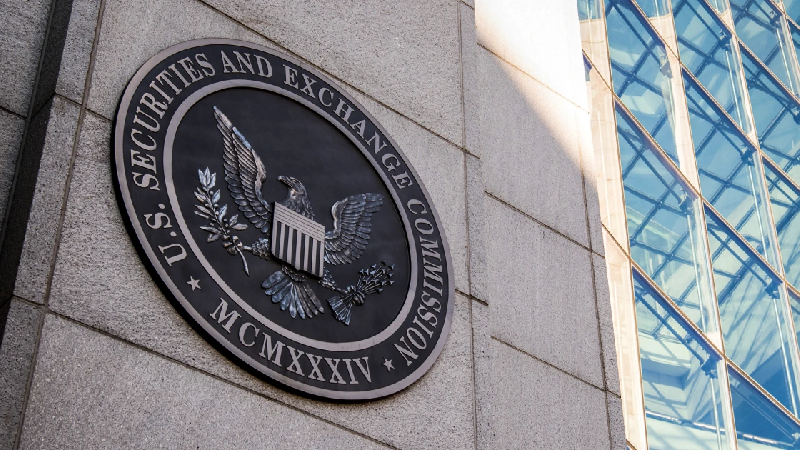
The United States Securities and Exchange Commission has officially ended its civil enforcement case against BitClout founder Nader Al Naji, bringing a significant legal dispute in the cryptocurrency sector to a close. The regulator agreed to dismiss the case through a joint stipulation filed in the U.S. District Court for the Southern District of New York, effectively terminating the litigation and preventing the agency from bringing the same securities claims again.
The case had been one of several high profile enforcement actions targeting crypto projects in recent years. Regulators initially accused Al Naji of violating securities laws through the development and promotion of BitClout, a blockchain based social media platform that later became associated with the decentralized social network DeSo. Authorities claimed the project raised substantial funds through the sale of crypto tokens that they argued qualified as unregistered securities.
According to earlier allegations, the platform generated roughly 257 million dollars from investors through token sales connected to the BitClout ecosystem. The regulator also claimed that more than seven million dollars of investor funds were used for personal expenses and other purposes that were not clearly disclosed to participants. These accusations formed the basis of the enforcement action that began in 2024.
Despite the seriousness of the allegations, the SEC ultimately decided to close the case based on what it described as the specific facts and circumstances involved. The decision to end the litigation was finalized through the court filing in March, which confirms that the regulator will not attempt to refile the same claims related to the BitClout project and its associated BTCLT token.
The lawsuit had also named several related entities and individuals connected to the project as relief defendants. These parties were included in the case because regulators believed they may have received proceeds connected to the alleged securities violations. With the dismissal of the primary case, those claims are also resolved as part of the broader settlement.
The outcome marks a notable development in the evolving regulatory environment surrounding digital assets. Over the past few years, the SEC has pursued numerous enforcement actions against crypto companies and project founders, arguing that many digital tokens should be treated as securities under existing financial laws. These cases have played a major role in shaping how blockchain startups approach token launches and fundraising activities.
BitClout initially attracted attention for attempting to create a decentralized social media platform where users could buy and sell tokens tied to the reputation of individual creators. The idea was to build a new type of social network powered by blockchain technology and digital assets. While the concept generated significant interest among crypto enthusiasts, it also raised regulatory concerns about investor protection and transparency.
The dismissal of the case does not necessarily signal a broader shift in regulatory policy, but it highlights how complex enforcement actions in the cryptocurrency industry can become when new technologies intersect with existing financial rules. Each case often depends heavily on the specific details surrounding how a project operates, raises funds and interacts with users.
As the digital asset sector continues to grow, legal disputes between regulators and crypto developers are likely to remain a defining feature of the industry. Governments around the world are still working to determine how existing securities laws apply to blockchain based projects and whether new regulatory frameworks may eventually be required to address the unique characteristics of digital assets.