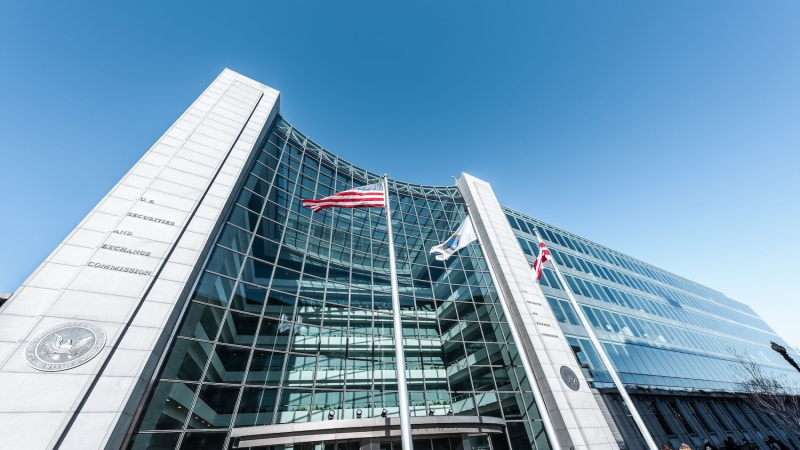
U.S. securities regulators have warned that tokenization does not change the legal nature of traditional financial instruments and cannot be used as a workaround to avoid existing securities laws. In a staff statement released this week, multiple divisions of the Securities and Exchange Commission said tokenized stocks, bonds, or similar instruments remain securities under federal law, regardless of whether ownership records are maintained on a blockchain. Regulators emphasized that tokenization alters the format and infrastructure of recordkeeping, not the underlying legal identity of the asset. As tokenization initiatives move beyond pilot programs and into live market applications, the SEC said it aims to provide clearer guardrails for issuers, platforms, and intermediaries. The guidance underscores that long standing requirements around issuance, sales, disclosures, and reporting continue to apply even when securities are represented or transferred through crypto networks.
The SEC staff outlined two broad models of tokenization that are emerging in the market. In issuer sponsored tokenization, the company or its authorized agent links onchain transfers directly to official shareholder or holder records, effectively replacing traditional databases with blockchain based systems. In this structure, regulators said legal duties remain unchanged, with issuers retaining full responsibility for compliance under securities laws. The statement also addressed arrangements where tokens act as triggers for offchain updates to ownership records rather than carrying legal rights themselves, noting that these structures still leave the underlying security governed by existing rules. In contrast, third party tokenization introduces more complexity, particularly when entities unaffiliated with the issuer create crypto assets tied to underlying securities, potentially exposing investors to additional risks related to custody, solvency, or operational failures.
Regulators highlighted custodial and synthetic tokenization as two common third party approaches that may raise additional compliance considerations. Custodial models involve holding the underlying security while issuing a token that represents an indirect interest, whereas synthetic models create instruments that track the value of a security through swap like or derivative structures. The SEC cautioned that such arrangements may trigger additional registration and trading requirements, especially when offered to investors who do not meet eligibility thresholds. The guidance arrives as asset managers and exchanges test tokenized securities within regulated frameworks to achieve faster settlement and extended trading hours. SEC staff stressed that their statement is intended as a compliance roadmap rather than an endorsement, encouraging firms to engage early with regulators as tokenization initiatives advance.