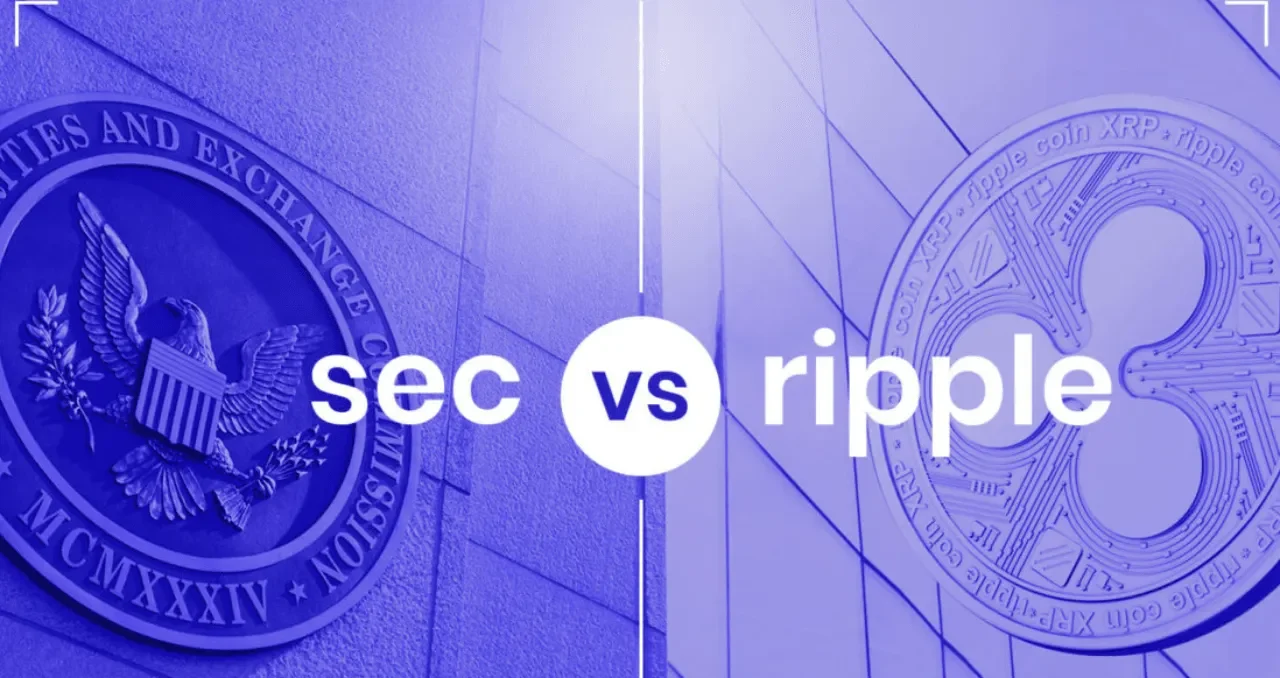
Legal experts dissect the boundaries of American jurisdiction.
The Offshore Advantage
Tether Limited, the issuer of USDT, is incorporated outside the United States. This offshore status has been central to its growth. By avoiding direct U.S. incorporation, Tether has sidestepped the strict regulatory scrutiny that applies to domestic financial institutions. Yet because USDT is widely used by American traders and exchanges, the U.S. Securities and Exchange Commission (SEC) faces a question of jurisdiction. Can it enforce laws on a company headquartered abroad?
The SEC’s Authority
The SEC’s mandate covers securities markets in the United States. Its jurisdiction is generally limited to activities that directly affect U.S. investors. In the case of Tether, USDT is not marketed as a traditional security, but it circulates heavily on platforms accessible to American citizens. This creates a gray area where the SEC might claim jurisdiction if it can demonstrate that U.S. markets are directly impacted.
Historically, the SEC has asserted authority over foreign companies when their products reached American investors. This precedent suggests that Tether’s offshore structure does not guarantee immunity.
Past Enforcement Actions
The SEC has pursued offshore issuers in the past, including cases involving foreign securities offerings and digital asset platforms. In each instance, the key factor was whether U.S. investors were affected. For Tether, this condition appears to be met, since American exchanges and traders rely on USDT as a primary trading pair.
This history suggests that the SEC could build a case, although it would face challenges in enforcing judgments against a company located outside its borders.
Legal Complexities
The legal debate centers on whether Tether should be treated as a security, a commodity, or a form of payment instrument. If classified as a security, the SEC would have clear grounds for oversight. If considered a commodity, jurisdiction may fall to the Commodity Futures Trading Commission. If viewed as a payment instrument, the U.S. Treasury and other agencies could take the lead.
This uncertainty complicates enforcement. Regulators may struggle to define their roles while Tether continues to operate globally without choosing one jurisdiction.
Supporters’ Perspective
Supporters of Tether argue that its offshore status proves the resilience of decentralized finance. They maintain that the SEC has no direct authority over a company that does not operate within U.S. borders. For them, attempts to regulate Tether from abroad represent overreach that stifles innovation.
They also highlight that USDT is not sold as an investment promising returns, but as a stable digital token pegged to the dollar. This, they argue, sets it apart from securities and weakens the SEC’s claim.
Skeptics’ Concerns
Skeptics caution that Tether’s offshore model leaves U.S. markets vulnerable. They argue that billions of dollars in American trading depend on a stablecoin that is outside U.S. oversight. If Tether failed or faced liquidity issues, American investors would bear the consequences. From this perspective, jurisdictional challenges should not prevent regulators from seeking solutions.
Critics also point out that offshore structures are often used to avoid scrutiny, and leaving them unchecked could set a dangerous precedent.
Regulatory Cooperation
One potential path for enforcement lies in global cooperation. The SEC may not have full authority over Tether, but it can work with regulators in Europe, Asia, and other regions. Joint efforts could pressure Tether to comply with international standards. This strategy has been used in anti-money laundering and sanctions enforcement, where cooperation across jurisdictions is essential.
The European Union’s MiCA framework could also play a role. If Tether wants to continue serving European users, it will face disclosure and compliance requirements that align with global expectations.
The Broader Implications
The debate about jurisdiction goes beyond Tether. It reflects the challenge of regulating digital assets that operate across borders. Traditional rules were designed for national markets, but stablecoins circulate globally within seconds. This mismatch between law and technology makes oversight difficult.
For researchers and policymakers, Tether has become a case study in the limits of national regulation in a global financial system.
Conclusion
The SEC’s ability to regulate Tether is limited but not absent. Precedents show that offshore status does not guarantee immunity when American investors are involved. Still, enforcement will be complex and may require cooperation with other regulators.
Supporters see Tether’s offshore model as proof of innovation’s resilience. Skeptics see it as a loophole that exposes U.S. markets to risk. What is clear is that the debate over jurisdiction will shape not only the future of Tether but also the global approach to regulating stablecoins.