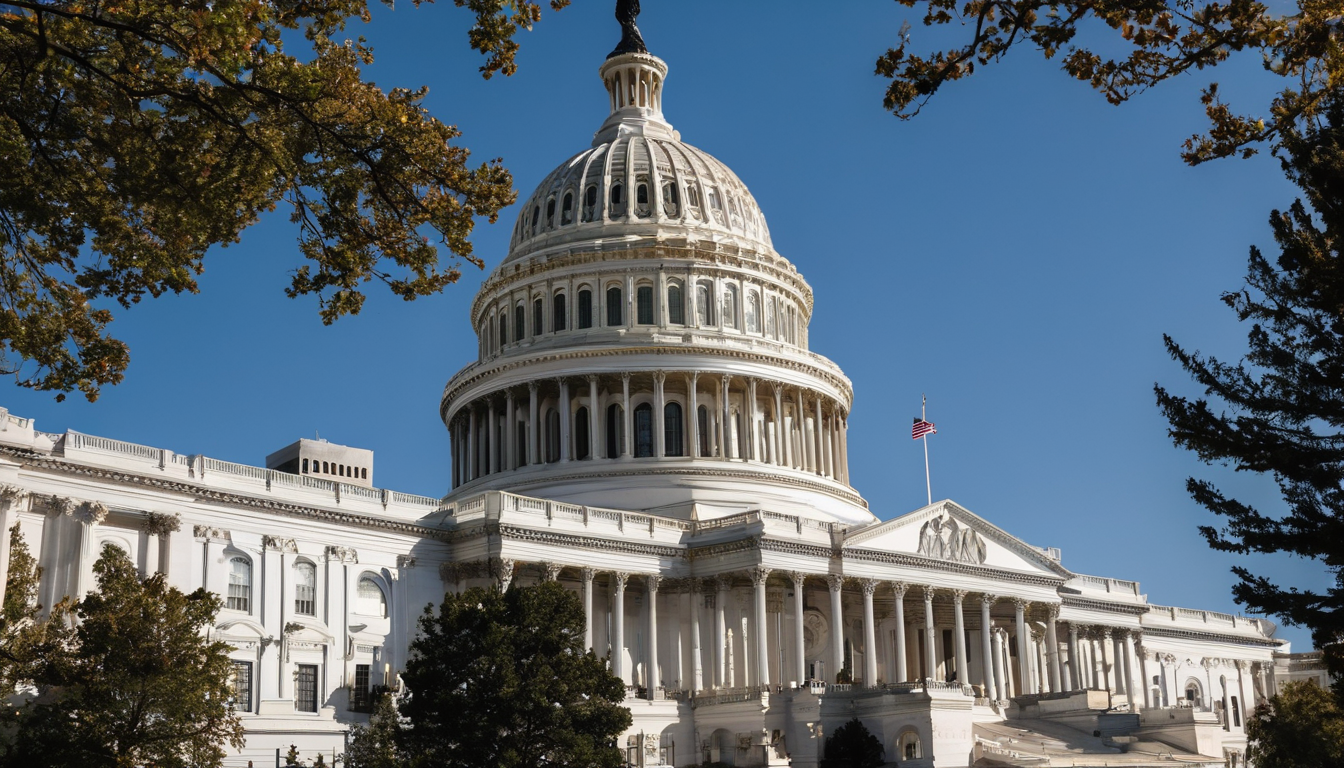
Senate Panel Sets April Deadline
A member of the US Senate Banking panel confirmed an April timeline for releasing a discussion draft that would anchor the next phase of crypto market structure legislation. The message to market participants was procedural rather than promotional, with the panel signaling it wants text on paper early enough to run hearings, solicit technical feedback, and reconcile jurisdictional disputes before the summer calendar compresses. Today, the confirmation matters because it narrows the window for agencies and industry to shape definitions that could lock in years of enforcement posture. The legislative intent is to move from ad hoc actions to a coherent framework, with committee staff aligning language with parallel work in the House while keeping the Senate’s prudential priorities front and center.
Key Elements of the Proposed Market Structure
The expected draft is framed around clarifying which digital assets fall under securities oversight and which fit a commodities style regime, while setting disclosure expectations that scale with market impact. Live negotiations also cover custody standards, trading venue registration pathways, and how intermediaries segregate customer assets in stress conditions. Stablecoin treatment is likely to remain intertwined with market plumbing, since settlement assets influence liquidity and collateral practices across venues. In that context, broader dollar market sensitivity has been visible in adjacent coverage such as USDC minting and its link to market liquidity, which lawmakers cite when discussing redemption risk and operational resilience. The committee’s core goal is to reduce ambiguity without freezing innovation through overly rigid categorizations.
Implications for Crypto Regulation
For crypto regulation, the April timeline raises the stakes on how the US Senate defines regulatory perimeter and enforcement triggers, especially around secondary trading and broker dealer like activity. The immediate implication is that agency overlap, particularly between the SEC and CFTC, could be narrowed through statutory tests rather than policy statements. Update expectations are focused on whether the bill codifies customer protection rules like best execution standards, conflict management, and market surveillance duties for platforms that currently operate under patchwork compliance. It also elevates questions about how decentralized protocols are treated when identifiable developers, front ends, or governance bodies exert influence. The practical effect for issuers and exchanges is that compliance planning can begin earlier, but only if definitions are workable and aligned with existing capital markets concepts.
Stakeholder Reactions and Expectations
Industry advocates have largely welcomed the schedule because it provides a predictable runway for engagement, while consumer protection voices argue speed should not dilute safeguards. Today, responses have centered on whether the committee will prioritize clear registration routes or default to tougher gatekeeping that could push activity offshore. Market participants are watching Live signals from Senate offices about what compromises are acceptable, particularly on custody, staking, and the treatment of stablecoin backed liquidity. Reporting from major outlets has highlighted the political reality that bipartisan alignment is strongest when legislation is framed around fraud deterrence, transparency, and orderly markets rather than ideology. The debate is less about whether rules are coming and more about whether compliance costs will be proportionate to risk, preserving competition among venues without weakening accountability.
Next Steps in Legislative Process
The next stage is drafting text, circulating it among stakeholders, then running committee hearings that pressure test definitions using real market scenarios. Update milestones include reconciling Senate language with House efforts, preparing a manager’s amendment package, and identifying which provisions can attract bipartisan votes during markup. Coordination with stablecoin policy discussions will be critical because settlement assets, reserves, and redemption mechanics touch nearly every segment of crypto market structure. Parallel to the legislative track, firms are repositioning to show operational maturity, including expanding stablecoin distribution and liquidity access as seen in USDT integration that reshapes DeFi liquidity and in adoption under cash constrained conditions like USDT usage during Venezuela’s cash crunch. The Senate timeline signals that the window to influence statutory language is short, but still open through structured consultation.