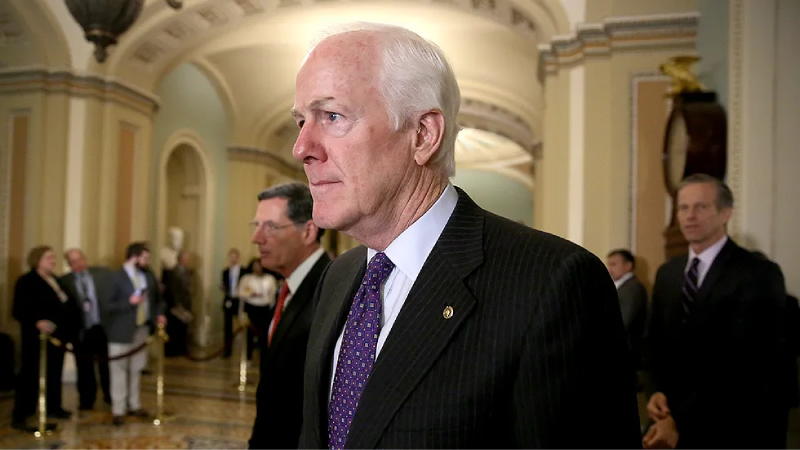
U.S. lawmakers appear to be moving closer to advancing major crypto legislation after reaching a tentative agreement on one of its most contested issues. A compromise on stablecoin yield provisions has reportedly been reached between key senators, potentially clearing a major obstacle for the Digital Asset Market Clarity Act. The development signals renewed momentum for the bill, which aims to establish clearer regulatory frameworks for the crypto industry and provide long awaited guidance for market participants.
The debate around stablecoin yield has been a central sticking point in negotiations, as policymakers and financial institutions weighed its potential impact on the traditional banking system. Concerns have been raised that allowing stablecoin issuers or platforms to offer rewards on holdings could resemble interest bearing bank deposits. This raised fears of capital shifting away from banks, which could affect lending capacity and broader financial stability. The reported compromise is expected to address these concerns while still allowing room for innovation within the digital asset space.
Although full details of the agreement have not yet been publicly disclosed, early indications suggest that the approach may limit or prohibit rewards on passive stablecoin balances. This framework aims to differentiate stablecoins from traditional deposit accounts while maintaining their role in payments and financial infrastructure. By drawing this distinction, lawmakers are attempting to balance the interests of both the crypto sector and the banking industry, which has been closely monitoring developments in digital asset regulation.
The progress comes at a critical time for the industry, as regulatory uncertainty in the United States has been a key barrier to institutional adoption. Clear legislation is widely seen as essential for unlocking greater investment and enabling companies to operate with confidence. The Clarity Act is designed to define how digital assets are classified and determine which regulatory bodies oversee different segments of the market, helping to resolve longstanding jurisdictional disputes between agencies.
Industry participants have been closely watching these negotiations, as the outcome could shape the future of stablecoins and their integration into the financial system. Stablecoins have become a core component of crypto markets, particularly for payments and cross border transactions, and any restrictions on their functionality could influence how they are used. At the same time, a well structured regulatory framework could enhance trust and encourage broader adoption among institutions and consumers.
The agreement between lawmakers is expected to pave the way for further discussions and potentially a Senate hearing to advance the bill. While additional issues remain to be resolved, removing a major obstacle such as the yield debate represents a significant step forward. Policymakers appear increasingly focused on finding common ground that supports technological innovation while addressing risks to financial stability.
As the legislative process continues, the crypto industry is watching for signals on how quickly the bill could move forward and what final provisions will look like. The outcome will play a key role in shaping the regulatory environment in one of the world’s largest financial markets, influencing everything from stablecoin adoption to the development of broader digital asset infrastructure.