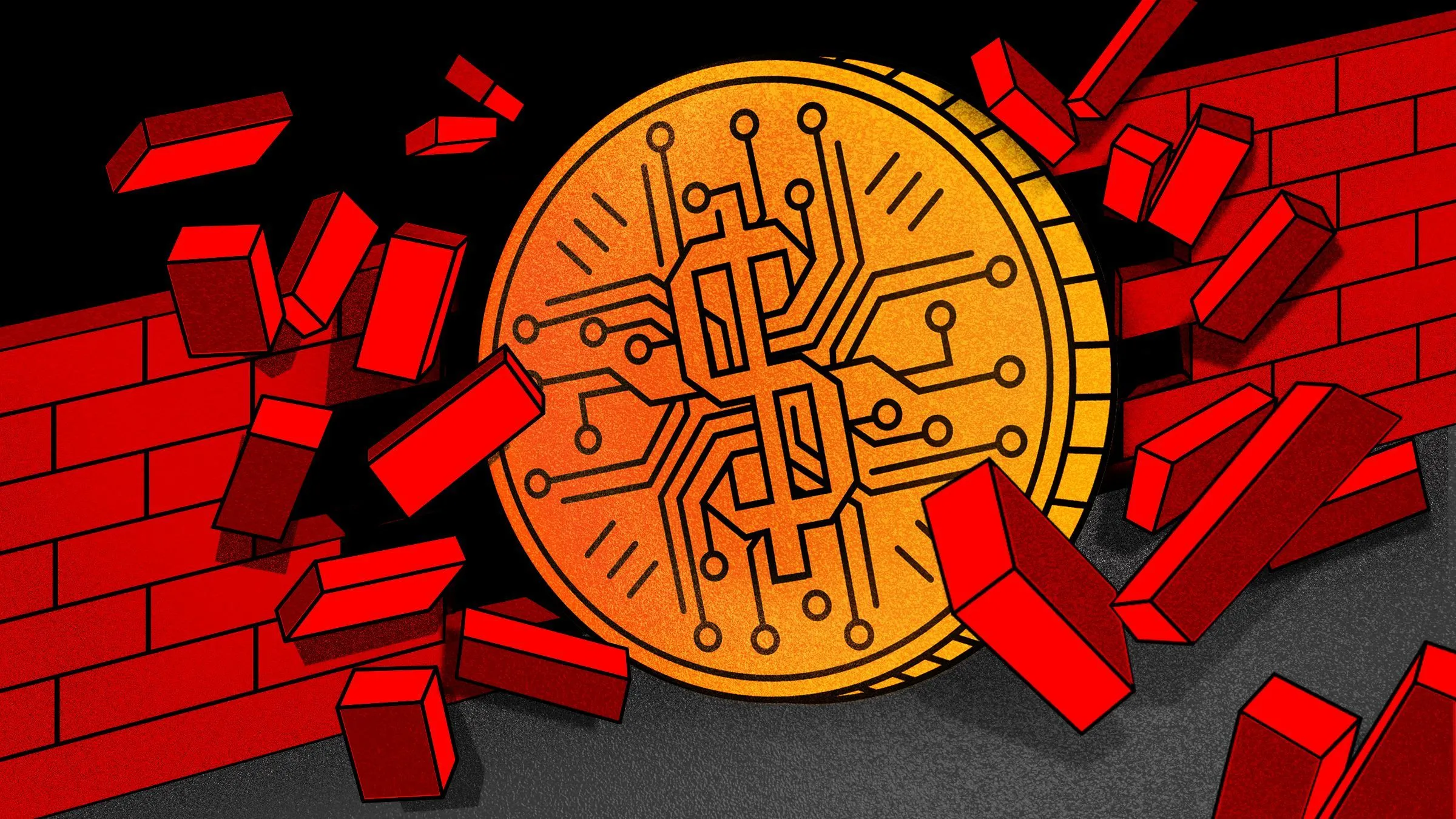
Tether (USDT) is one of the most widely used stablecoins, providing critical liquidity and stability in the cryptocurrency ecosystem. However, USDT has faced numerous regulatory challenges that have sparked debate about stablecoin governance, transparency, and risk management. These controversies offer valuable lessons for market participants, investors, and regulators, highlighting the importance of compliance, transparency, and robust operational practices in maintaining market confidence.
Background on USDT
Launched in 2014, Tether was designed to provide a stable digital dollar, pegged 1:1 to the US dollar. Its primary purpose is to offer a reliable medium of exchange within cryptocurrency markets, serving as a bridge between fiat currencies and digital assets. USDT’s widespread adoption across centralized and decentralized exchanges has made it a cornerstone of crypto liquidity and trading.
However, its growth has also attracted scrutiny, especially regarding its reserve composition, transparency, and regulatory compliance. These factors have made Tether a focal point for debates on stablecoin oversight.
Regulatory Challenges Faced by Tether
Tether’s regulatory challenges have spanned multiple jurisdictions and focused on several key issues:
- Reserve Transparency: Questions arose about whether USDT was fully backed by liquid assets and whether Tether provided sufficient details about its reserve composition. This lack of clarity prompted regulatory interest and investor concern.
- Legal Actions: Tether has faced investigations and settlements with authorities regarding reserve disclosures and trading practices. These legal matters underscored the importance of clear reporting and regulatory alignment.
- AML/KYC Compliance: As with all stablecoins, regulators scrutinized Tether’s compliance with anti-money laundering and know-your-customer standards to prevent illicit activity.
- Market Stability Concerns: Given USDT’s dominant market position, regulators expressed concern that disruptions or loss of confidence in Tether could have systemic effects across cryptocurrency markets.
These challenges have forced Tether to enhance transparency, improve reporting practices, and engage with regulatory authorities proactively.
Lessons Learned for the Stablecoin Industry
Tether’s regulatory challenges provide valuable insights for stablecoins and digital asset issuers:
- Transparency is Critical: Regular audits, attestations, and clear communication about reserve composition are essential for maintaining trust among investors, exchanges, and regulators. Lack of transparency can create market uncertainty and regulatory scrutiny.
- Diversified Reserves Reduce Risk: Stablecoins backed solely by a single asset type face higher vulnerability during market stress. Tether’s approach, combining cash, government securities, and other liquid assets, demonstrates the need for balanced reserve strategies.
- Regulatory Engagement is Key: Proactively engaging with regulators, adhering to reporting standards, and aligning with legal frameworks help mitigate compliance risks and sustain market confidence.
- Market Communication Matters: Investor perception can be as important as actual reserve practices. Clear messaging and rapid responses during volatility are crucial for maintaining stability.
- Systemic Risk Awareness: Dominant stablecoins must recognize their broader impact on the cryptocurrency ecosystem. USDT’s market position illustrates that disruptions can have cascading effects on exchanges, liquidity, and investor behavior.
Comparisons With Other Stablecoins
Tether’s experiences offer a reference point for comparing regulatory approaches across stablecoins:
- USDC: Known for fully-backed reserves and high transparency, USDC emphasizes regulatory compliance and monthly attestation reporting. Its alignment with institutional and regulatory expectations has strengthened market trust.
- DAI: A decentralized, crypto-collateralized stablecoin, DAI is fully transparent on-chain but carries different risks, including price volatility due to collateral exposure.
- Emerging Stablecoins: New modular or algorithmic stablecoins, such as RMBT, are designed to balance transparency, reserve diversification, and operational efficiency, learning from USDT’s challenges.
These comparisons highlight that transparency, reserve management, and regulatory compliance are central to sustainable stablecoin adoption.
Impact on Market Confidence
Regulatory challenges can influence market perception of a stablecoin’s reliability. USDT’s historical controversies occasionally led to short-term uncertainty among traders and investors. However, proactive transparency measures and attestations have helped restore confidence.
Market confidence relies not only on actual reserve practices but also on:
- Clear communication during periods of stress
- Demonstrated ability to maintain the peg under high redemption volumes
- Compliance with regulatory expectations and legal frameworks
- Visible integration with exchanges, DeFi platforms, and institutional partners
Maintaining confidence is particularly important for widely used stablecoins, given their systemic role in liquidity provision and market operations.
Opportunities Arising From Regulatory Challenges
While regulatory scrutiny poses challenges, it also offers opportunities for innovation and improvement:
- Enhanced Reporting Standards: Stablecoins can adopt more frequent, detailed, and independently verified audits.
- Regulatory Alignment: Compliance with emerging global frameworks ensures long-term market access and institutional adoption.
- Investor Education: Clarifying stablecoin structures, reserve management, and associated risks improves informed participation.
- Market Leadership: Successfully navigating regulatory challenges can enhance credibility, attracting institutional and retail users alike.
By addressing regulatory concerns proactively, stablecoin issuers can strengthen their market position and foster broader adoption.
Future Outlook
Looking ahead, lessons from USDT’s regulatory challenges will continue to shape the stablecoin ecosystem:
- Global Regulatory Frameworks: Authorities are increasingly considering standardized rules for stablecoins, covering reserve transparency, compliance, and market stability.
- Stablecoin Innovation: Developers may design modular or hybrid stablecoins that balance liquidity, stability, and transparency, learning from Tether’s experiences.
- Institutional Adoption: Stablecoins with robust regulatory compliance and transparent operations are likely to attract more institutional use in trading, lending, and cross-border payments.
- Market Confidence Mechanisms: Enhanced reporting, insurance mechanisms, and reserve verification processes may become standard to maintain investor trust.
These trends indicate that regulatory challenges, while demanding, are catalysts for maturity and resilience in the stablecoin market.
Conclusion
Tether’s regulatory controversies provide critical lessons for the broader stablecoin ecosystem. Issues around reserve transparency, legal scrutiny, compliance, and market perception underscore the importance of clear communication, diversified reserves, and proactive regulatory engagement.
USDT’s experience highlights that maintaining confidence in a dominant stablecoin requires not only operational soundness but also transparency, trust-building, and responsiveness to regulatory expectations. Comparisons with USDC, DAI, and emerging stablecoins demonstrate that adherence to regulatory standards and clear reporting practices enhances credibility, encourages adoption, and mitigates systemic risk.
By learning from Tether’s challenges, the stablecoin industry can develop more resilient, transparent, and regulated frameworks that support market stability, investor confidence, and sustainable growth. As regulators, investors, and institutions navigate an increasingly complex crypto landscape, these lessons will inform the development of future digital assets, ensuring that stablecoins continue to fulfill their role as reliable, trusted instruments in global financial markets.