Shift in Crypto Purchases in Latin America
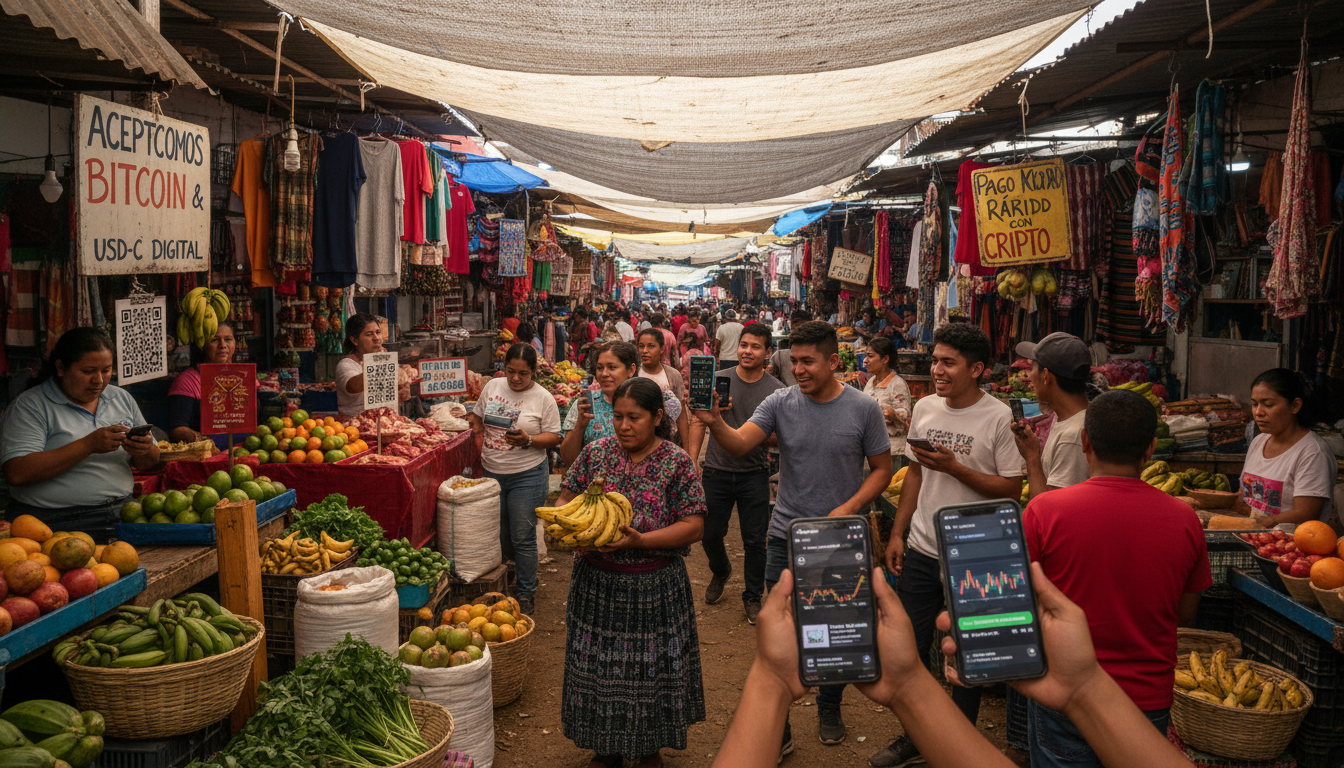
Bitso says the buying mix in Latin America has shifted decisively toward stablecoins, with dollar-linked tokens now taking the larger share of user purchases than Bitcoin. Traders tracking flows Today describe a rotation driven by day to day payment needs and quicker settlement, rather than long holding horizons. In Bitso’s market commentary, Latin America stablecoin adoption is framed as a practical response to local pricing and remittance routines, not a speculative fad. Live order books on major exchanges have also shown tighter spreads for leading stablecoins than for smaller altcoins, which makes conversions easier during volatile sessions. The overall pattern points to stablecoins becoming the primary on ramp for crypto activity in the region.
Impact of Inflation on Financial Choices
Inflation pressures are shaping how households and small firms choose instruments for saving and transfers, especially where local currencies swing sharply within a month. Bitso attributes part of the stablecoin preference to users seeking a unit of account that is easier to budget against than a fast moving asset. A related policy backdrop is visible in central bank signaling, and the Federal Reserve’s latest statement provides global context for dollar liquidity and rate expectations via the Federal Reserve FOMC statement. For readers following FX spillovers, Dollar Dominance in 2025: Reserves, Trade, Policy also tracks how dollar demand can transmit into emerging markets. Live pricing comparisons show users responding quickly when local inflation prints hit headlines, and each Update often coincides with higher stablecoin volumes.
The Rise of Dollar-Linked Stablecoins
Demand is concentrating in dollar-pegged stablecoins because they can function as a digital proxy for cash while keeping transfer costs relatively predictable. In Bitso’s description of regional crypto trends, users increasingly treat stablecoins as working capital for commerce, payroll, and cross border family support. Latin America stablecoin adoption has also been reinforced by operational choices, including quicker wallet to wallet settlement and simpler accounting in a dollar unit. Infrastructure work around issuance and rails continues, and Tether Expands USD₮ on RGB for Native Bitcoin Use illustrates how stablecoin networks keep broadening across chains and payment layers. Today, desk operators say the stablecoin leg is often the first step before any other crypto exposure, and the next Live Update usually focuses on flows rather than headlines.
Comparative Analysis with Bitcoin
Bitcoin remains a major asset in the region, but its role is increasingly distinct from transactional demand. Bitso’s framing separates Bitcoin as a longer horizon position from stablecoins used for short cycle transfers and purchasing power management. During sharp intraday moves, Live trading conditions can make Bitcoin slippage more consequential for users who need exact amounts for bills or remittances, while stablecoins tend to hold closer to their peg. This does not eliminate risk, but it changes the user calculus toward predictability. Today, the comparative behavior is visible in how quickly users rotate out of Bitcoin after volatility spikes, then return once price action steadies. Each Update from exchange desks tends to emphasize execution quality, not ideology, in explaining the shift.
Future Implications for the Crypto Market
The market impact is that stablecoins are becoming the default liquidity layer for Latin American platforms, which can influence listing strategies, fee schedules, and compliance priorities. Bitso’s data implies exchanges may compete more on stablecoin rails, custody standards, and integration with local payment processors than on adding new speculative tokens. Latin America stablecoin adoption may also shape how regulators evaluate consumer protection, reserve transparency, and transfer monitoring, since stablecoins sit closer to everyday finance than most crypto assets. Live monitoring of cross border corridors is likely to intensify as volumes grow, particularly around payroll and remittance dates. In 2024 and 2025, platforms in Mexico and Argentina have increasingly emphasized stablecoin liquidity in user-facing product updates, and today, the next competitive edge may be faster settlement and clearer disclosures, and each Update will be judged by whether users can move value reliably under stress.