Oobit’s Strategic Move into Colombia
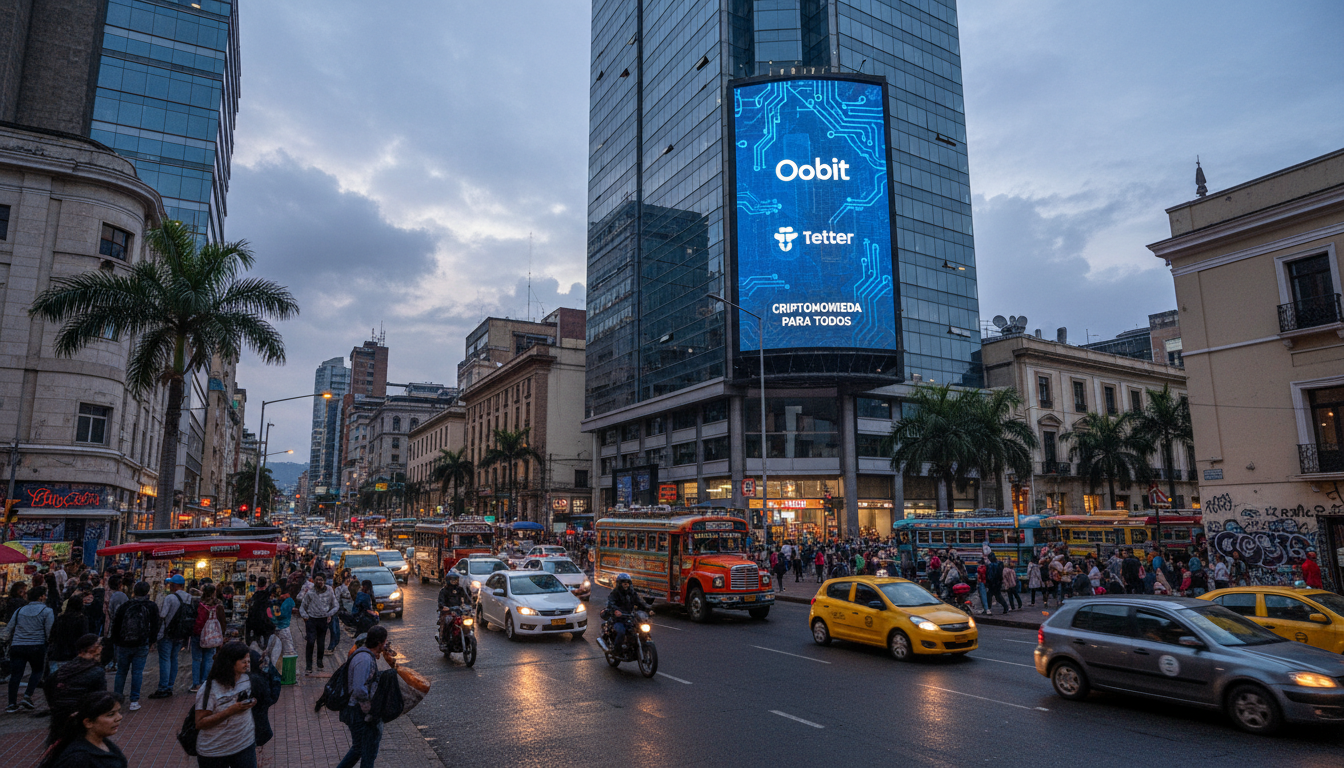
Oobit is widening its payments footprint by rolling out merchant-facing crypto checkout services in Colombia as competition for Latin American spend grows. In early operations, the company is positioning itself so merchants can accept crypto payments at the point of sale while settling in familiar units where supported. Today, market watchers are tracking whether this entry focuses first on tourism corridors, cross border commerce, or everyday retail in major cities. The immediate operational focus is onboarding partners, testing checkout reliability, and aligning merchant support with local compliance expectations. Live monitoring of payment success rates and refund handling is becoming a key part of adoption, especially where customers expect cardlike simplicity.
Implications for the Colombian Market
For Colombian merchants, the near-term impact is about reducing friction at checkout rather than chasing volatility. An Update from the rollout narrative is how quickly providers can integrate with existing point of sale tools and reconcile daily books without accounting confusion. To contextualize broader crypto demand conditions, CoinDesk described risk appetite returning as policy debates move forward in the United States in its market coverage, linked here as CoinDesk market report on crypto stocks and policy. Oobit’s Colombia push also intersects with consumer expectations shaped by card networks, and Live customer support will matter when disputes or chargebacks are replaced by onchain finality.
Tether’s Role in Oobit’s Expansion
Tether’s involvement matters because stablecoin liquidity and operational rails can determine whether checkout works at scale when volumes spike. The company has repeatedly emphasized transparency efforts around reserves and reporting, and USDT remains a primary stablecoin used in many crypto payments flows. Today, Oobit’s strategy benefits from the familiarity many users already have with USDT for transfers and day to day holding. As an adjacent lens on stablecoin liquidity mechanics, readers can see Tether mints 1 billion USDT in major treasury move, which details how issuance events can signal distribution and market making capacity. This Update cycle will test how well stable settlement supports merchant confidence.
Crypto Payment Landscape in Latin America
Latin America’s payments market is crowded with wallet providers, processors, and bank-linked instant transfer options, so differentiation hinges on reliability and cost. Merchants comparing crypto payments options often benchmark against card fees, settlement times, and fraud exposure, while users judge whether spending feels as easy as tapping a phone. Stripe crypto payments have also shaped expectations globally by normalizing simple developer tooling, even when local availability differs, so Colombian integrations will be measured against that standard. For a broader frame on how tokenized infrastructure discussions are expanding in finance, see Tokenized Infrastructure Is Quietly Becoming London’s Next Investment Conversation as a sign of adjacent adoption narratives. Live operational performance will likely decide whether checkout stays niche or becomes a routine alternative alongside cards and instant transfers.
Future Prospects and Challenges
The next phase will depend on whether Oobit can maintain consistent merchant settlement, clear consumer disclosures, and responsive support when transactions fail. Compliance expectations in Colombia will influence onboarding pace, particularly around transaction monitoring, reporting duties, and how providers handle disputed purchases. An Update worth watching is the provider playbook for refunds, since blockchain transfers are not reversed like card chargebacks, and merchants need predictable processes. Today, the central challenge is earning trust without overpromising on savings or speed, and that requires measurable service levels. If Oobit can accept crypto payments smoothly across common retail categories, including everyday purchases in Bogotá and Medellín, Live usage could broaden, but execution details will determine whether it becomes a default option or a limited pilot.