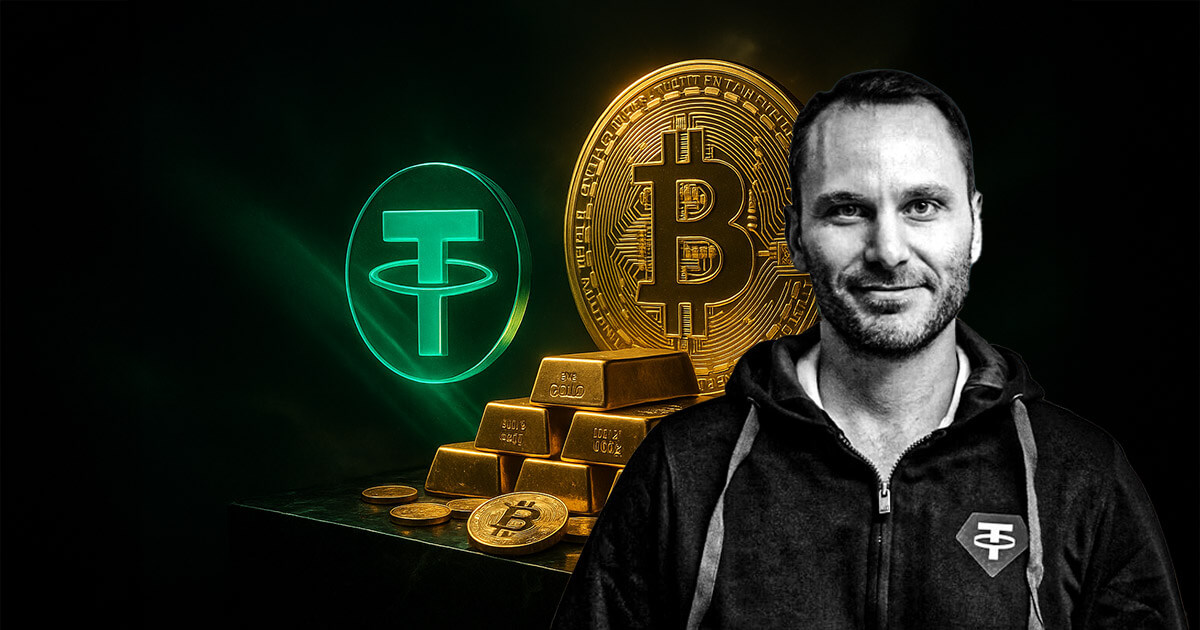
Tether CEO Paolo Ardoino has sharply criticised a recent rating downgrade of USDT, arguing that traditional financial institutions continue to misunderstand and resist emerging digital asset models.
The downgrade, issued due to concerns over Tether’s reserve strategy and growing exposure to volatile assets, has triggered intense debate across the crypto industry and raised fresh questions about stablecoin stability.
Why the Downgrade Happened
The rating agency flagged Tether’s increased investment in Bitcoin and gold as a risk factor, noting that Bitcoin now accounts for 5.6% of USDT’s backing higher than the estimated 3.9% overcollateralization buffer.
Analysts warned that any sharp decline in Bitcoin or gold prices could threaten USDT’s ability to remain fully backed.
The report also highlighted ongoing concerns about reserve transparency and the need for deeper disclosure around custodians and counterparties.
Tether Defends Its Reserves and Model
Ardoino dismissed the downgrade as a sign of “resistance to innovation,” maintaining that Tether is overcapitalized and holds no high-risk assets in its core reserves.
According to Tether’s most recent financial update:
- Liabilities: $184.4 billion
- Reserves: $181.2 billion
- U.S. Treasury bills: $112.4 billion
- Repo agreements: $21 billion
- Gold holdings: $12.9 billion
- Bitcoin holdings: $9.9 billion
Tether says it has always met redemption demands and continues to publish independent attestations every quarter.
Critics Warn of Potential Vulnerability
Some analysts remain cautious.
BitMEX co-founder Arthur Hayes argued that a 30% market drop in Bitcoin or gold could eliminate Tether’s equity buffer estimated at about 3.7% potentially pushing USDT toward insolvency.
However, industry figures such as Tran Hung, CEO of UQUID Card, countered that Tether holds more than $140 billion in cash-like assets, enough to handle extreme redemption events.
A former Citi analyst also suggested that Tether may hold over $50 billion in corporate equity, along with earning roughly $10 billion annually in interest from its Treasury portfolio — possibly giving it more stability than many traditional banks.
Strong Reactions in China’s Crypto Market
In China — where USDT remains widely used for underground crypto trading despite strict regulations — the rating news sparked mixed reactions.
Some traders dismissed the downgrade as exaggerated, pointing to USDT’s reputation for weathering past crises. Others expressed concern that a future loss of peg could create systemic risks across the region’s shadow crypto market, which relies heavily on USDT’s liquidity.
Growing Pressure for Transparency
Regulators worldwide are moving toward stricter oversight of stablecoins, and the latest downgrade has further intensified calls for Tether to:
- reduce exposure to volatile assets
- improve disclosures
- clarify reserve custody arrangements
Despite the scrutiny, Ardoino insists Tether remains financially stronger than most traditional institutions and accused rating agencies of failing to recognise the company’s resilience.
“Tether is the first overcapitalized financial company,” he said, arguing that outdated rating standards often overlook innovation-driven models.